Open any wellness site and cloves are a miracle: they cure toothaches, lower fevers, repel mosquitoes, and even fix your blood sugar. Open a pharmacology textbook and the story is much quieter. The truth sits somewhere in between, and it is more useful than either extreme. If you want the plant’s background first, the [the clove record] covers where cloves come from and how they became one of the world’s most traded spices.
This guide takes the most common clove health claims one at a time and tells you what the evidence supports, what it doesn’t, and what to do with that information. Cloves are not a scam, and they are not a cure-all. One claim holds up well, a few remain unproven, and some safety points matter more than most articles admit.
Why cloves get so much health attention
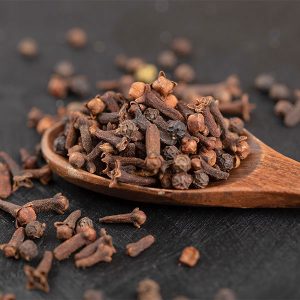
Cloves are the dried flower buds of an evergreen tree, and they are unusually rich in a compound called eugenol. Eugenol gives cloves their sharp smell and their numbing, slightly burning taste. It is also the reason cloves show up in so many health claims, because eugenol has been studied for its antiseptic, anti-inflammatory, and pain-dulling properties.

cloves benefits
Here is the catch that most articles skip. A compound that does something in a lab dish, or in a rodent, does not automatically do the same thing in a person who sprinkles ground cloves on their oatmeal. Dose, delivery, and form all change the outcome. Keep that in mind as we go through the claims.
The one claim with real support: tooth and gum pain
If there is one clove claim you can trust, it is this one. Clove has a long history in dentistry, and eugenol is still used in some dental materials because it numbs tissue and reduces bacteria. Small studies have also found that clove gel can reduce the sting of a needle on the gums about as well as a standard numbing gel.
In everyday life, this is the use most people actually try. Someone has a sore tooth at night, the dentist is closed, and a clove is within reach. Chewing a whole clove gently and holding it against the sore area can bring short-term relief, because the eugenol numbs the surface. The key word is short-term. It dulls the pain, but it does not treat a cavity, an abscess, or an infection underneath. If you are reading about this because of a toothache, the full practical details are in the one claim with support, including how to use clove oil safely.
A few habits make the difference between helpful and harmful:
Use a single whole clove or a very small amount of properly diluted oil, never a splash of undiluted oil.
Keep it off the gums for long stretches, since eugenol can irritate and even burn soft tissue.
Book a dentist visit anyway, because numbness is not a diagnosis.
Claims with limited or mixed evidence
These are the claims you will see repeated most often, and each deserves a more careful answer than yes or no.
Blood sugar
This is the claim that worries me most, because people with diabetes are the ones most likely to act on it. Some animal studies and a handful of small human trials suggest clove extracts may influence blood sugar. The results are inconsistent, the doses are often far higher than a normal serving of spice, and the studies are too small to guide treatment. Cooking with cloves is perfectly fine. Using them to replace or reduce diabetes medication is not supported by the evidence, and it can be dangerous.

cloves benefits
Fever
There is no solid evidence that cloves reduce fever in people. Clove tea is warm and soothing when you are unwell, and that comfort is real, but comfort is not the same as treating a fever. If a fever is high, lasts more than a few days, or comes with other worrying symptoms, the answer is medical care rather than a spice.
Mosquito repellent
Clove oil does repel mosquitoes in some lab and field tests, but the protection tends to fade quickly, often within an hour or so. That is not enough to rely on in regions where mosquitoes carry malaria, dengue, or similar diseases. Think of clove as a short-lived backyard helper at best, and use a proven repellent when real protection matters.
Digestion, immunity, and “detox”
You will also see cloves credited with better digestion, stronger immunity, and a general cleansing effect. The antioxidant content of cloves is genuinely high, but antioxidants measured in a test tube do not translate directly into a stronger immune system. For these broader claims, the honest summary is that there is no good human evidence either way.
What the regulators say
Here is a fact that puts everything else in context: the FDA has not approved cloves or clove oil as a treatment for any medical condition. Cloves are recognized as safe as a food flavoring, which is a very different thing from being approved as a medicine. When a product label or a website suggests that cloves treat, cure, or prevent a disease, it is making a claim that no regulator has verified.
That does not make cloves useless. It means the burden of proof is on the claim, and for most of them that proof has not arrived yet.
How to use cloves sensibly in daily life
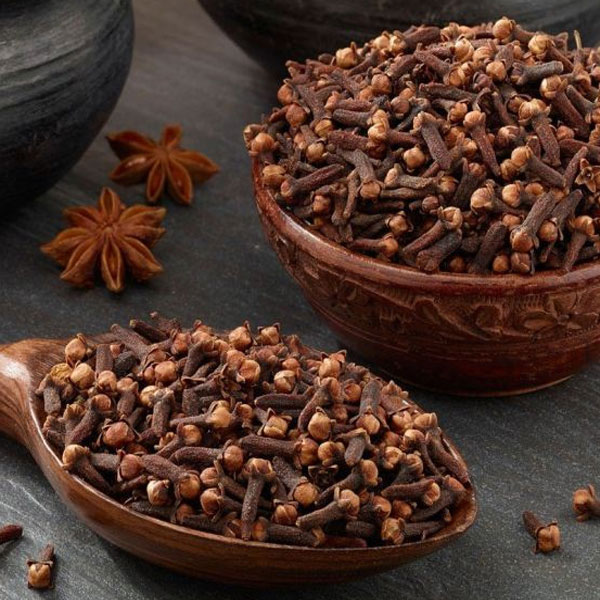
If you enjoy cloves, the safest and most pleasant way to use them is in food and drink. A few whole cloves in a pot of rice, a simmering chai, a pot of stew, or a mug of hot apple cider adds flavor and a small amount of antioxidants with essentially no risk. Ground cloves in baking work the same way.
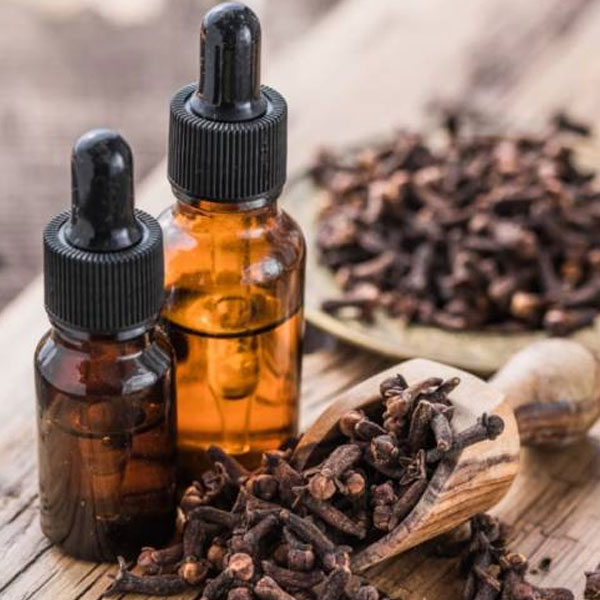
Stronger forms need more respect. Clove oil is highly concentrated, and a small amount of it contains far more eugenol than any dish ever would. Swallowing it, applying it undiluted to skin, or giving it to children can cause real harm, from skin burns to liver injury in serious cases. Supplements and “clove extract” products are not standardized, so what is on the label may not match what is in the bottle.
cloves benefits
Who should be careful, or avoid medicinal clove entirely
Eugenol is active, and that means it can interact with the body in ways a pinch of spice won’t. You should be especially cautious, and speak to a professional first, if any of the following applies to you:
You take blood thinners or have a bleeding disorder, since eugenol can affect clotting.
You are about to have surgery, because doctors often advise stopping herbal products beforehand.
You are pregnant or breastfeeding.
You have liver disease.
You are giving anything to a child, where the margin for error is much smaller.
You take diabetes medication and are considering clove as a supplement.
The fuller safety picture, including dosing mistakes people make with the oil, is laid out in who should avoid it, and it is worth reading before you buy any clove product.
Cloves earn their place in the kitchen and in the dentist’s history books. For temporary tooth and gum discomfort, the evidence is genuinely supportive. For blood sugar, fever, mosquitoes, and most other popular claims, the honest word is “unproven,” and for a few uses it is “potentially risky.” The FDA has not approved cloves for any medical use, so treat them as a flavorful spice with one well-supported trick rather than a medicine cabinet in a jar.
When in doubt, especially if you have a health condition or take medication, ask a doctor or pharmacist before turning to clove oil or supplements.
Reference:
https://medlineplus.gov/druginfo/natural/251.html
Records mentioned in this article

Frequently Asked Questions
Yes, for short-term pain relief, because eugenol numbs the area. It does not treat the cause, so a dental visit is still necessary.
The evidence is early and inconsistent. Cloves in food are fine, but they are not a substitute for medical treatment.
It is generally safe in small amounts and can be a pleasant drink, but the specific health benefits people attach to it are not proven.