Medical Disclaimer: Before we dive into the details, let’s set a crucial ground rule. Always consult your obstetrician or healthcare provider before making any changes to your diet, introducing new herbs, or taking supplements during pregnancy. Every pregnancy is unique, and this article is meant for informational purposes, not medical advice.
Pregnancy comes with a sudden, intense hyper-awareness of everything you consume. Suddenly, your morning bowl of oatmeal, your favorite spiced latte, or your evening tea feels like a topic worthy of a rigorous research paper. If you have been searching for reliable information regarding the safety of cinnamon during pregnancy, you are definitely not alone. As a sourcing expert who spends every day analyzing the global spice trade, I frequently receive questions from expecting mothers about the safety profile of this beloved, warming spice. While the cinnamon record highlights the incredible historical uses and rich flavor profile of this ancient bark, viewing it through the lens of pregnancy requires a much more conservative and cautious approach.
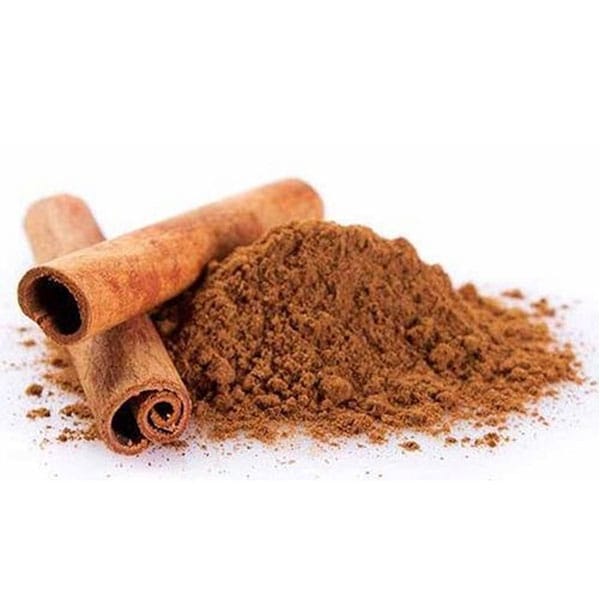
The conversation about safety isn’t just about the spice itself, but precisely which botanical variety you are keeping in your pantry. The cinnamon sitting in the vast majority of grocery store aisles is Cassia (often sourced from Indonesia, China, or Vietnam). It is bold, spicy, highly aromatic, and inexpensive. However, Cassia contains a naturally occurring chemical compound called coumarin, which is known to cause liver toxicity when consumed in large amounts. When looking at the coumarin figures, it becomes abundantly clear that consuming heavy, concentrated amounts of Cassia is not ideal for anyone, let alone an expecting mother whose liver is already processing a massive influx of hormones. Ceylon cinnamon, sourced primarily from Sri Lanka and often dubbed “true cinnamon,” contains barely traceable amounts of coumarin, making it inherently safer for daily, long-term consumption.
cinnamon during pregnancy
Culinary Sprinkles vs. Concentrated Supplements
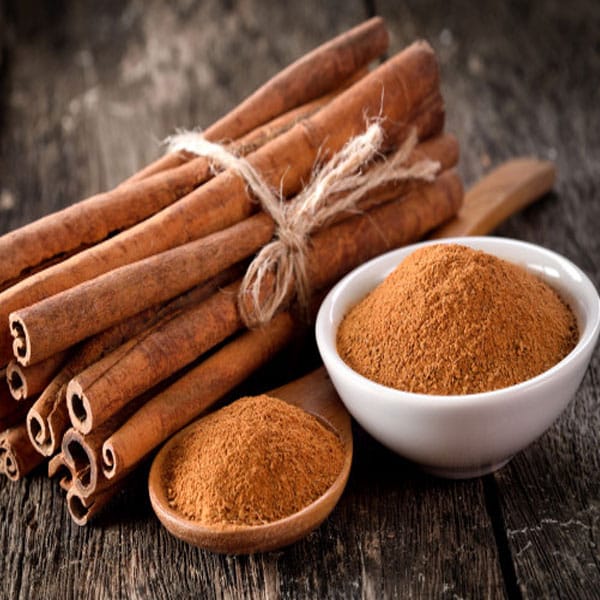
The most critical distinction to make when discussing the safety of spices for expectant mothers is the vast difference between food-grade usage and medicinal supplementation. A light sprinkle of cinnamon on your baked apples, swirled into a cup of plain yogurt, or infused lightly via a cinnamon stick in a pot of tea is universally considered safe by dietary guidelines. This is what we refer to as a “culinary amount.” In these quantities, the spice acts merely as a flavoring agent, offering trace antioxidants without overwhelming the body’s systems.
In stark contrast, taking this spice in the form of capsules, highly concentrated extracts, or essential oils delivers an entirely different payload to the body. Because supplement doses are different—often packing the equivalent of several tablespoons of pure powder into a single pill—pregnant women should strictly avoid them. The dietary supplement industry is notoriously under-regulated, meaning you cannot always be certain of the exact concentration or the variety of bark (Cassia vs. Ceylon) used in the capsules. Concentrated doses simply have not been proven safe for fetal development, and introducing such a heavy biological load into your system is an unnecessary risk.
What Does the Clinical Evidence Actually Say?
If you are looking for absolute, black-and-white clinical trials outlining exactly how many milligrams of cinnamon are safe for a pregnant woman, you will not find them. We must be highly conservative here: the scientific evidence is mostly inconclusive, and there is a very good reason for that. For obvious ethical reasons, medical researchers do not run controlled, high-dose pharmacological trials on pregnant women just to see at what point a spice becomes toxic.
Most of the medical warnings regarding this spice stem from historical herbal medicine practices and animal models. In traditional herbalism, massive doses of certain warming spices were sometimes used as an emmenagogue—a substance meant to stimulate blood flow in the pelvic area and uterus to induce menstruation. Furthermore, animal studies testing high doses of coumarin have shown potential developmental toxicity.
Because there is no definitive proof that high doses are completely safe, and because “absence of evidence is not evidence of absence of harm,” the modern medical consensus defaults to extreme caution. The rule is simple: if the evidence isn’t definitively proving it is safe in large amounts, assume it is not. Stick to normal food amounts and leave the therapeutic herbal pills on the pharmacy shelf until long after your baby is born.
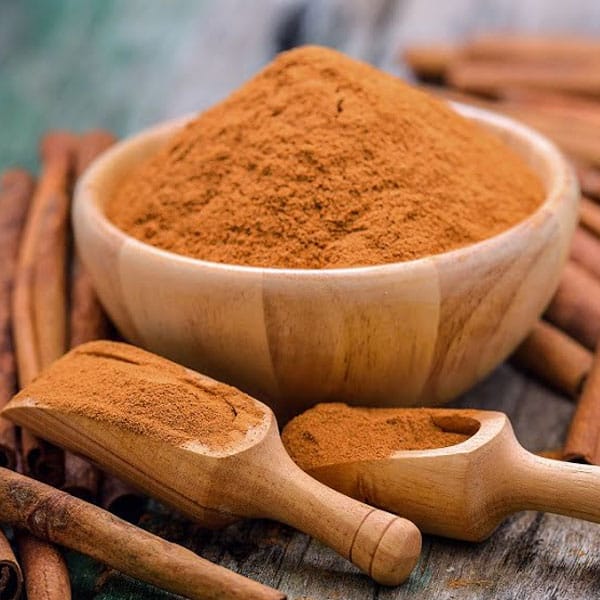
cinnamon during pregnancy
Practical and Safe Sourcing Advice for Expecting Mothers
If you are craving that warm, earthy flavor—which is common, as pregnancy often alters taste preferences—you do not have to completely banish it from your kitchen. Here is how you can safely navigate your spice rack:
Switch to Ceylon: If you plan to use this spice regularly (for example, a daily dash in your morning oatmeal), upgrade your pantry to pure Ceylon cinnamon. It provides a delicate, complex, and slightly sweeter flavor profile without the coumarin-related anxiety associated with Cassia.
Watch the “Hidden” Cinnamon: Be mindful of commercially baked goods, pre-packaged spiced ciders, and heavily flavored holiday beverages. These almost exclusively rely on cheap Cassia. Having them occasionally is fine, but moderation is key.
Respect the Limits of Food: Keep your usage to what a normal recipe dictates—a pinch here, a quarter teaspoon there. Never attempt to consume it by the spoonful.
By understanding the origins of your spices and respecting the vast difference between a culinary dash and a medicinal dose, you can continue to enjoy your favorite flavors safely throughout your pregnancy journey.
References:
https://www.nccih.nih.gov/health/cinnamon
Records mentioned in this article

Frequently Asked Questions
Yes, you can enjoy it occasionally, provided it is brewed lightly from a whole stick or a small pinch of powder in hot water (culinary use). However, you should strictly avoid commercial “wellness” teas that contain highly concentrated extracts or medicinal amounts of the spice.
Absolutely. Ceylon cinnamon contains extremely low levels of coumarin compared to Cassia. This makes Ceylon a significantly safer choice for anyone concerned about potential liver toxicity or unnecessary chemical exposure during pregnancy.
There is no robust, peer-reviewed scientific evidence proving that eating normal culinary amounts of this spice will induce labor. However, because historically massive medicinal doses were associated with uterine stimulation, you should never attempt to use spice supplements or essential oils to naturally start your labor.