Most commercial cinnamon teabags cut corners. Tear one open, and you will usually find pale, dusty fannings bulked out with black tea dust, low-grade Cassia scraps, or artificial flavoring oils that taste sharp and astringent. When steeped, they deliver an overpowering blast of synthetic sweetness followed by a dry, woody aftertaste.
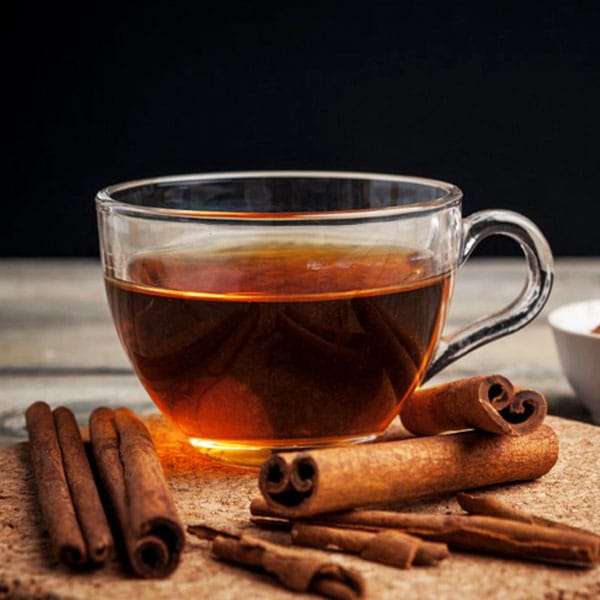
Brewing straight from the bark transforms the experience entirely. Using whole quills yields a silky, golden-amber liquor that naturally tastes sweet without a grain of added sugar. There is no murky sediment at the bottom of your mug, no bitter tannin burn, and none of the sludge you get when stirring ground powder into hot water. Knowing why home cooks choosesticks over powder comes down to control: whole bark slowly releases essential cinnamaldehyde and delicate volatile oils through heat, resulting in a cleaner, vastly more aromatic cup.
What You Need (Ingredients & Ratios)
Precision matters. Cinnamon bark is dense, and extracting its natural oils requires boiling water rather than gentle steeping.
Cinnamon Stick: 1 whole stick (approx. 3 to 4 inches / 7–10 cm)
Water: 1.5 to 2 cups ( 350–500 ml ) of fresh, filtered water
Optional Enhancements:
1 thin slice of fresh ginger (for warming spice)
1 strip of fresh orange peel (adds bright citrus notes)
1 teaspoon of raw honey (stirred in only after cooling slightly)
Golden Ratio: 1 medium stick per 1.5 to 2 cups of water. If you brew a larger batch in a teapot, scale up to 2 sticks for 3.5–4 cups ( 800–1000 ml ).

cinnamon tea recipe
Ceylon vs. Cassia: Why the Bark Type Changes Your Steep Time
Before you turn on the stove, check the structure of your cinnamon stick. The botanical variety dictates both the extraction speed and the final flavor profile.
Ceylon Cinnamon (Cinnamomum verum)
Known as “true cinnamon,” Ceylon features paper-thin, soft layers rolled like a fine cigar. Because its structure is delicate and multi-layered, boiling water penetrates the bark much faster.
Extraction Speed: Fast. It releases fragrance almost immediately upon simmering.
Flavor Profile: Subtle, complex, floral, and naturally sweet with citrus undertones.
Health Note: Contains negligible amounts of coumarin, making it safe for daily, long-term consumption.
Cassia Cinnamon (Cinnamomum cassia)
The dark, thick, single-scroll bark common in standard supermarket spice aisles. It is rock-hard and dense.
Extraction Speed: Slow. The thick woody cell walls require longer sustained heat to release flavor.
Flavor Profile: Pungent, bold, spicy, and sharp.
For a deeper dive into cultivars, bark anatomy, and regional grading standards, consult the cinnamon record to understand how processing traditions shape quality.
Step-by-Step Brewing Guide
Making stick tea is technically a decoction rather than a quick infusion. Follow this method for the cleanest, most flavorful extraction:
Step 1: Rinse and Crack the Stick
Give your cinnamon stick a quick rinse under cold running water to remove any loose surface dust. Using your fingers or the back of a chef’s knife, snap the quill in half. Exposing the interior surface allows water to circulate through the hollow chambers and inner layers.
Step 2: Bring Water to a Rolling Boil
Add 1.5 to 2 cups of cold, filtered water to a small stainless steel or enameled saucepan. Bring it to a vigorous, rolling boil over high heat.
cinnamon tea recipe
Step 3: Add Bark and Simmer
Drop the cracked stick into the boiling water. Immediately reduce the heat to low, cover the pan with a tight-fitting lid, and let it simmer gently:
For Ceylon Cinnamon: Simmer for 8 to 10 minutes. Ceylon’s fine layers release volatile aromatics quickly; boiling it longer can dull its floral subtleties.
For Cassia Cinnamon: Simmer for 12 to 15 minutes. Its dense structure needs extra time under heat to break down and yield depth.
Pro-tip: Keeping the lid on prevents precious aromatic oils from evaporating out with the steam.
Step 4: Rest and Infuse (The Secret Step)
Turn off the heat entirely, but do not remove the lid. Let the pot sit undisturbed on the warm burner for an additional 3 to 5 minutes. This resting phase deepens the amber color and softens the texture of the tea.
Step 5: Strain and Serve
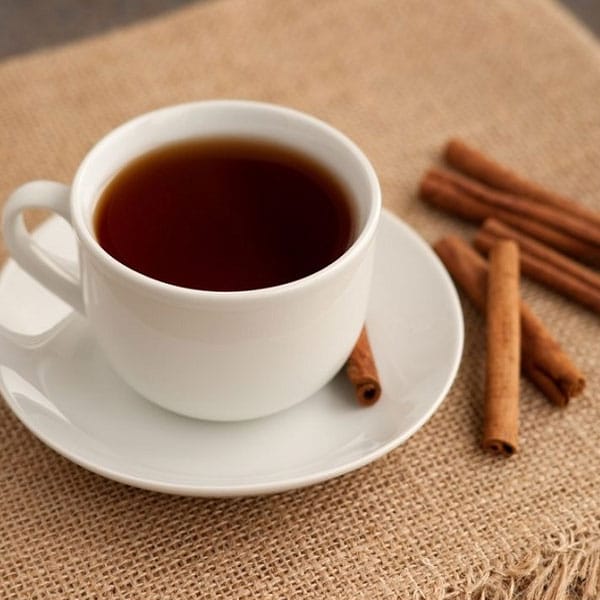
Pour the liquid through a fine-mesh strainer directly into your favorite mug. While whole sticks leave minimal debris, straining catches any tiny bark splinters that loosened during the boil. Sip it warm.
Sourcing & Reuse Tips
Can you reuse a cinnamon stick?Yes. A high-quality stick can be rinsed, thoroughly air-dried, and reused for one additional brew within 24 hours. Increase your simmer time by 3 to 4 minutes on the second brew to draw out the remaining oils.
Storage: Keep whole sticks in an airtight glass jar away from direct sunlight, moisture, and stove heat. Stored properly, high-grade bark retains its essential oils for up to 2 years.
Records mentioned in this article


Frequently Asked Questions
Yes, provided you brew with Ceylon cinnamon. Ceylon contains virtually zero coumarin (a natural compound found in Cassia that can stress liver function in high doses), making it safe for daily enjoyment.
Bitterness occurs when the bark is boiled too aggressively without a lid or when low-grade, scorched Cassia is used. Sliminess typically happens if you use ground cinnamon powder instead of whole sticks, as soluble fibers swell into a thick paste.
Good cinnamon stick tea has a pronounced natural sweetness and rarely requires sugar. If you prefer extra sweetness, allow the tea to cool slightly (below 40∘C / 104∘F ) before stirring in raw honey to protect its beneficial enzymes.