There is nothing quite like the warm, nostalgic aroma of spices wafting from the oven on a cool afternoon. For generations, bakers have relied on that signature sweet-spicy warmth to elevate everything from rustic morning pastries to elaborate holiday desserts. If you look at the cinnamon record, you’ll quickly see that this incredible botanical bark has been defining our favorite sweet treats for centuries, crossing cultural boundaries and transforming simple flour and sugar into something magical.
However, one of the most common dilemmas both novice and seasoned bakers face is getting the proportions exactly right. Figuring out exactly how much cinnamon in baking will yield the perfect flavor without overwhelming the palate is a delicate balancing act. Too little, and the spice gets lost behind the butter and vanilla; too much, and your baked goods can turn aggressively astringent or even slightly bitter. Furthermore, understanding your ingredients is crucial, because Ceylon is milder than cassia, which fundamentally changes how you measure and mix it into your batters and doughs.
Ratios for Different Bakes
| Type of Bake | Standard Batch Size | Recommended Amount (Cassia) | Pro Tip for Best Flavor |
|---|---|---|---|
| Cake | Standard 8 or 9-inch layer cake | 1 to 1.5 teaspoons | Whisk thoroughly with dry ingredients to avoid clumping, or bloom it in melted butter for denser cakes. |
| Cookies | 24 to 36 medium cookies | 1 to 2 teaspoons | For snickerdoodles, use 1 tsp in the dough and save a heavier ratio (mixed with sugar) for the outer roll. |
| Bread | 1 standard loaf (approx. 1 lb dough) | ½ tsp in dough; 2–3 Tbsp for filling | Keep spice minimal in the yeast dough to allow a proper rise. Pack the bold flavor into a butter-sugar swirl. |
Cassia vs. Ceylon in Your Recipes
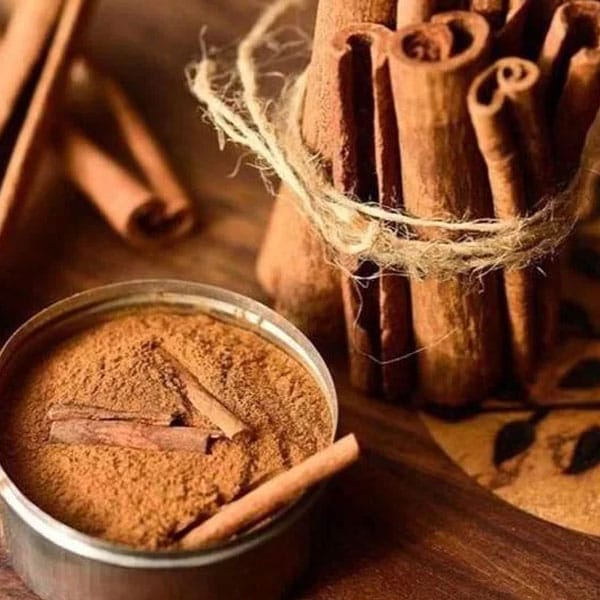
Walk into any standard grocery store, and the jar labeled “Cinnamon” is almost certainly Cassia (often Indonesian or Saigon varieties). Cassia is bold, punchy, slightly spicy, and highly concentrated. It is the classic flavor profile associated with American sticky buns and autumn pies.
Ceylon cinnamon (often referred to as “true cinnamon”) is an entirely different experience. Sourced primarily from Sri Lanka, Ceylon is highly prized for its delicate, complex, and floral notes with a hint of citrus. It doesn’t have the aggressive “red hot” bite of Cassia.
The Golden Rule of Swapping: Because Ceylon is significantly milder and more nuanced than Cassia, a direct 1:1 substitution in baking will often leave your recipe tasting under-spiced. If your recipe was written for standard supermarket Cassia, but you want to upgrade to the elegant flavor of Ceylon, you should increase the amount by about 1.5 times.
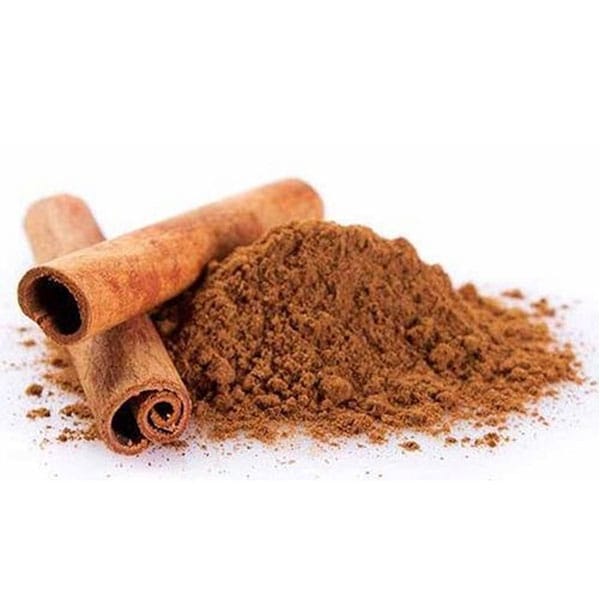
how much cinnamon in baking
For example, if your favorite banana bread recipe calls for 1 teaspoon of Cassia, use 1.5 teaspoons of Ceylon. This ensures the warm aromatics push through the heavy batter without adding the harshness that too much Cassia would cause. Conversely, if you have a delicate European pastry recipe specifically calling for Ceylon, and all you have is Cassia, reduce the amount by a third so you don’t overpower the delicate butter flavors.
Matching the Species to the Dessert
Understanding how to measure is only half the battle; knowing when to use which species is the secret of professional pastry chefs.
Use Cassia for: Heavy, rich, heavily spiced bakes where the spice needs to fight for attention. Think gingerbread, pumpkin pies, heavy fruitcakes, and rich sticky buns. Its high essential oil content can stand up to molasses, dark brown sugar, and heavy creams.
Use Ceylon for: Delicate desserts where vanilla, butter, or subtle fruit flavors are the stars. It is phenomenal in poached pears, light vanilla sponge cakes, delicate sugar cookies, and homemade whipped creams.
Maximizing Your Spices
Of course, the magic of this ancient spice extends far beyond the oven. Once your cake is cooling on the rack, you can carry that comforting aroma into your cup. Instead of using powdered spices which can leave a gritty residue in liquids, you can create a perfectly clear, deeply infused tea or spiced cider by brewing with a stick. Using whole quills allows the essential oils to gently release into the hot liquid, creating a cozy, aromatic beverage that pairs perfectly with a slice of fresh, homemade cake.
Records mentioned in this article

Frequently Asked Questions
Yes, but use it sparingly. Extract is highly concentrated and lacks the physical bulk of the powder. A general rule is to substitute ½ teaspoon of high-quality extract for every 1 teaspoon of ground powder.
Cinnamon contains a compound called cinnamaldehyde, which has strong antifungal and antimicrobial properties. If you mix too much directly into yeast dough, it can inhibit or kill the yeast. Always keep the amount in the actual dough low (under 1 teaspoon) and rely on fillings or swirls for the main flavor.
Ground spices don’t “spoil” in a way that makes them dangerous, but they do lose their essential oils. If you open the jar and don’t immediately smell a robust, warm aroma, it’s time to replace it. For baking, older spices will result in a flat, woody flavor rather than a sweet, spicy one.