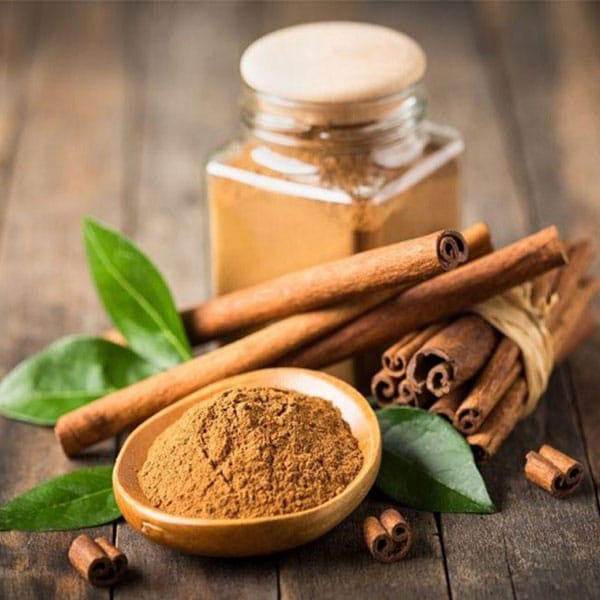
Few kitchen moments bring baking to a sudden halt quite like reaching into the spice cupboard, unscrewing the small glass jar, and realizing you are staring at an empty bottom. Cinnamon is the aromatic backbone of countless comfort foods—from weekend morning French toast and spiced banana bread to slow-simmered beef tagines and Moroccan lentil stews.
Its comforting appeal comes from cinnamaldehyde, the essential oil compound responsible for cinnamon’s signature balance of woody warmth, mild heat, and natural sweetness. As detailed in the cinnamon record, true Ceylon and common Cassia barks have anchored international spice trade routes for centuries precisely because their sweet, resonant profile is so difficult to replicate with a single botanical alternative.
Fortunately, running out mid-recipe does not mean throwing away your batter or abandoning dinner. Depending on whether you are baking delicate pastries, simmering oatmeal, or braising meat, several pantry staples step in admirably. Here is how to choose the right spice substitute, calculate exact measurements, and anticipate how your dish’s flavor profile will evolve.
Direct Baking Substitutes and Conversion Ratios
When substituting spices, you cannot always rely on an even 1:1 swap. Some spices carry far higher concentrations of volatile oils than cinnamon, meaning an equal measure can easily overpower delicate doughs, curds, or batters. Calibrating the amounts in baking carefully preserves the structural sweetness and aromatic balance of your baked goods.
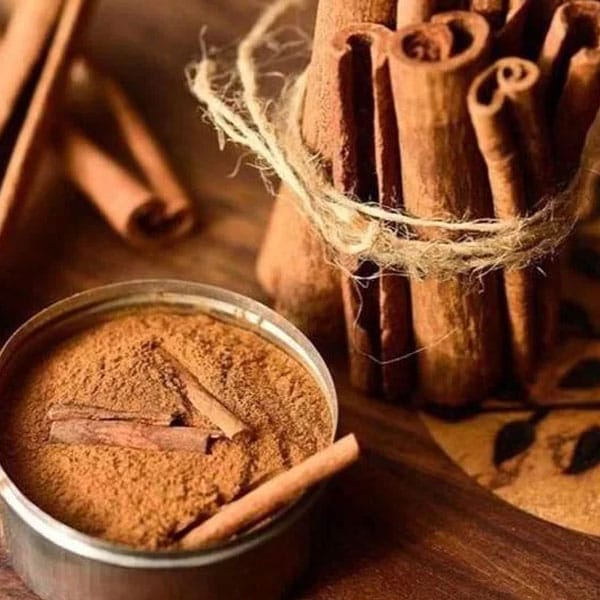
cinnamon substitute
1. Pumpkin Pie Spice or Apple Pie Spice
Best For: Snickerdoodles, muffins, quick breads, pies, and pancakes.
Substitution Ratio: 1:1 (Use 1 teaspoon for every 1 teaspoon of ground cinnamon).
Flavor Profile: Balanced, warm, sweet, and comforting.
Culinary Notes: This is your closest, most seamless safety net. Most commercial pie spice blends contain ground cinnamon as their primary ingredient, complemented by minor fractions of nutmeg, ginger, allspice, and cloves. Because the base is already cinnamon-dominant, you rarely need to adjust anything else in your recipe.
2. Ground Nutmeg
Best For: Custards, rice pudding, French toast batter, apple crisps, and dairy-rich desserts.
Substitution Ratio: 1/4 to 1/2 teaspoon per 1 teaspoon of cinnamon.
Flavor Profile: Nutty, intensely fragrant, deeply woody, and warm.
Culinary Notes: Nutmeg shares cinnamon’s cozy woodiness, but it carries a much more concentrated, almost medicinal richness. Start with a quarter of the requested cinnamon volume; if your batter has strong competing flavors like molasses or dark brown sugar, you can cautiously push toward half a teaspoon.
3. Ground Allspice
Best For: Molasses cookies, spice cakes, dark berry crumbles, savory glazes, and jerk marinades.
Substitution Ratio: 1/4 to 1/2 teaspoon per 1 teaspoon of cinnamon.
Flavor Profile: Pungent, slightly peppery, resembling a natural fusion of cinnamon, clove, and nutmeg.
Culinary Notes: Despite its name, allspice is the dried unripe berry of the Pimenta dioica tree, not a mixture of spices. It has a pronounced peppery bite alongside its warming sweetness. In baked treats, keep the measurement on the lighter end to avoid a lingering, savory aftertaste.
4. Ground Cardamom
Best For: Yeast breads, brioche, Swedish buns, drop cookies, coffee cakes, and curries.
Substitution Ratio: 1/2 teaspoon per 1 teaspoon of cinnamon.
Flavor Profile: Floral, citrus-forward, herbal, and cooling-warm.
Culinary Notes: Cardamom is an elegant substitute, but it moves the dish into distinct regional territory. While it delivers the cozy warmth expected from cinnamon, its pronounced herbal and citrus notes create a sophisticated, bakery-style finish rather than familiar home-style cinnamon sweetness.
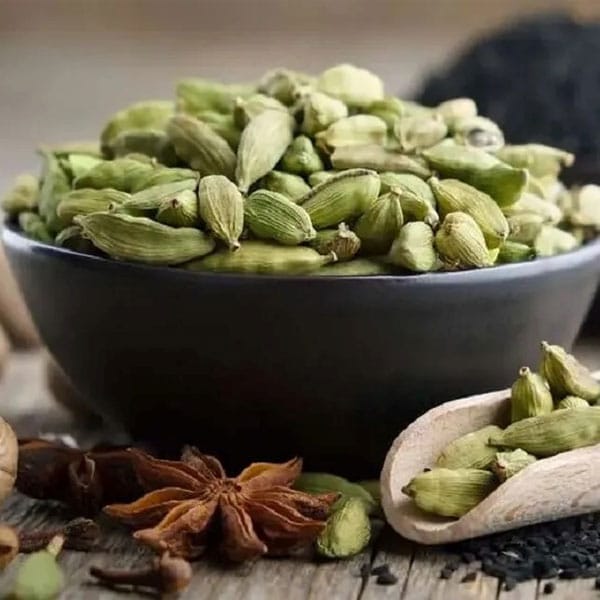
Ground Cardamom
5. Ground Cloves
Best For: Gingerbread, spiced ciders, stewed fruit, braised meats, and barbecue rubs.
Substitution Ratio: 1/4 teaspoon per 1 teaspoon of cinnamon.
Flavor Profile: Intensely pungent, sweet, slightly astringent, and numbing.
Culinary Notes: Cloves contain high amounts of eugenol, giving them extreme aromatic potency. Never swap cloves 1:1 for cinnamon; doing so will leave your dish bitter and tasting like an apothecary. A faint quarter-teaspoon, however, delivers remarkable depth.
6. Ground Ginger
Best For: Oatmeal cookies, pumpkin bakes, fruit compotes, and savory stir-fries.
Substitution Ratio: 1/2 teaspoon per 1 teaspoon of cinnamon.
Flavor Profile: Zesty, sharp, spicy, and sharp-peppery without cinnamon’s rounded sweetness.
Culinary Notes: Ginger brings pure heat rather than mellow warmth. If replacing cinnamon in a sweet baked dessert, pair the ginger with an extra teaspoon of pure vanilla extract or a touch of brown sugar to recreate cinnamon’s smooth mouthfeel.
Which Substitutes Will Change the Flavor of Your Dish?
Not all spice swaps fly under the radar. Depending on what you pull from the rack, your end result may taste pleasantly familiar or morph into an entirely different recipe.
The Near-Identical Swaps (Minimal Flavor Shift)
Pumpkin Pie Spice & Apple Pie Spice: These will preserve the original recipe identity almost perfectly. Most dinner guests or family members will not notice cinnamon was missing.
The Noticeable Alterations (Moderate Flavor Shift)
Nutmeg & Allspice: While they maintain a classic dessert profile, both lean heavier, darker, and slightly more savory than cinnamon. An apple pie made with nutmeg instead of cinnamon will taste richer and more autumnal, with a pronounced nutty finish rather than a sharp, sweet bite.
Cloves: If used even slightly over the recommended ratio, cloves will dominate every other ingredient, shifting sweet pastries toward an old-fashioned holiday spice cake flavor.
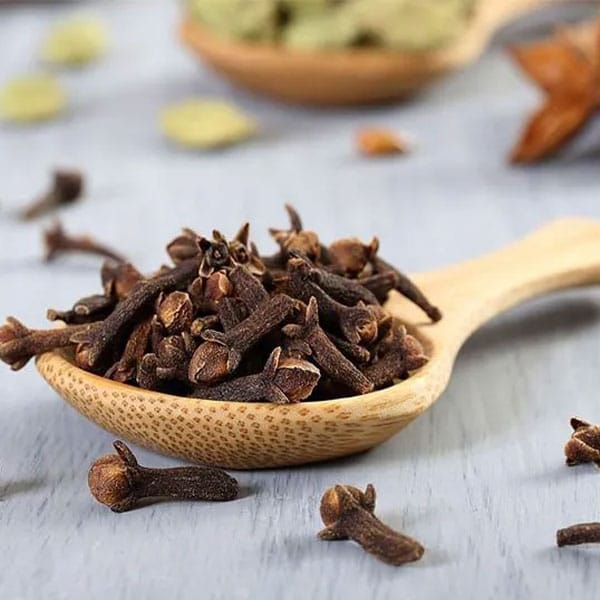
cinnamon substitute
The Complete Flavor Transformers (Dramatic Shift)
Cardamom: This will fundamentally change the character of your bake. A cinnamon roll made with cardamom ceases to be an American-style roll and becomes a Scandinavian Kardemummabulle—perfumed, herbal, and citrusy.
Ginger: Swapping cinnamon for ginger removes the mellow woody backdrop and replaces it with lively, zesty fire. It turns a gentle sugar cookie into a spicy ginger snap.
Star Anise or Chinese Five-Spice: If used in sweet baking, five-spice adds pronounced licorice and fennel undertones. While magnificent in braised pork, barbecue sauces, or Asian broths, it will radically transform standard cakes and cookies.
Practical Kitchen Tips to Bridge the Gap
When baking without cinnamon, you can help your alternative spice mimic cinnamon’s natural fullness by adjusting companion ingredients:
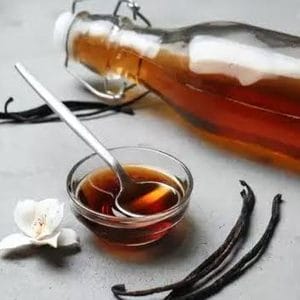
Leverage Pure Vanilla Extract: Cinnamon has a subtle floral sweetness. Adding an extra half-teaspoon of vanilla extract rounds off the sharp edges of pungent spices like clove or ginger.
Swap White Sugar for Light Brown Sugar: Cinnamon naturally gives an impression of caramel sweetness. A spoonful of brown sugar introduces trace molasses notes that blend beautifully with nutmeg or allspice.
Combine Substitutes: If you have multiple jars available, do not rely on just one. Blending 1/2 tsp nutmeg + 1/4 tsp allspice + 1/4 tsp ginger creates a nuanced, warm spice complex that mirrors cinnamon far better than any single spice alone.
Records mentioned in this article

Frequently Asked Questions
Pumpkin pie spice or apple pie spice is the only reliable 1:1 substitute. Because cinnamon is already the primary ingredient in these blends, your recipe’s flavor balance, sweetness, and aroma remain practically unchanged.
Yes, for liquid-based recipes. If you are preparing custards, poaching fruit, simmering oatmeal, or brewing ciders, steep one whole cinnamon stick in your warm liquid for 10 to 15 minutes, then discard the stick before assembling the dish.
No. Cinnamon, nutmeg, ginger, and allspice are aromatic flavorings rather than structural baking ingredients. Swapping them within recommended culinary ratios will not affect your oven spring, crumb structure, or leavening reaction with baking soda or baking powder.