Mastering Risotto alla Milanese comes down to patience, utilizing high-starch rice like Carnaroli, and sourcing authentic, premium saffron threads. The quality of your spice dictates the final aroma and golden hue of the dish. If you are a restaurant owner, distributor, or culinary professional looking to elevate your menu with world-class ingredients, reach out today to discuss bulk sourcing of our premium, lab-tested saffron directly from the source.
Having worked with premium saffron for years, I can tell you that Risotto alla Milanese is the ultimate showcase for this legendary spice. It’s not just about boiling rice; it’s about starch extraction, temperature control, and layering flavors. If you want that signature velvety texture without adding heavy cream, the secret lies in your technique and your ingredients.
Critical Decisions: Choosing Your Ingredients
Before you turn on the stove, you need to make two crucial choices that will dictate the success of your dish.
1. The Rice: Arborio vs. Carnaroli
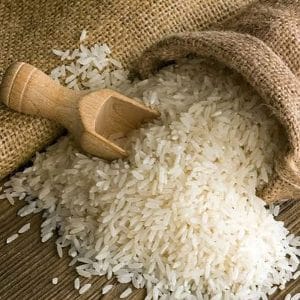
While Arborio is widely available, Carnaroli is the chef’s choice. It has a higher starch content and a firmer core, meaning it releases starch for creaminess while holding its shape perfectly, preventing a mushy disaster.
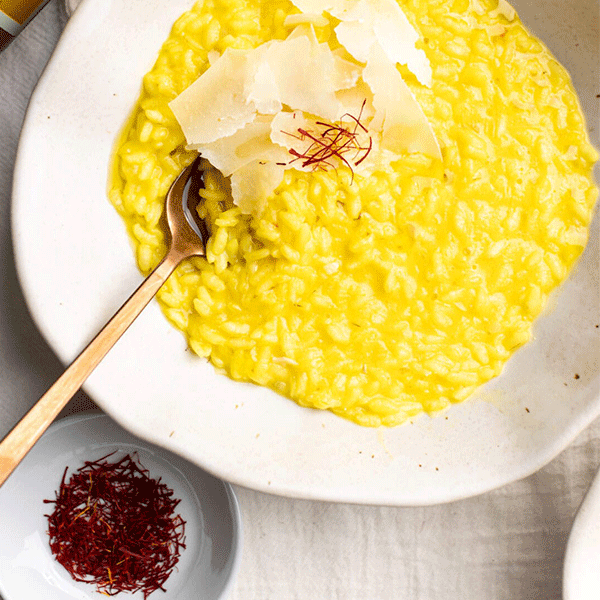
Creamy saffron risotto
2. The Broth: Beef Marrow vs. Chicken Stock
Authentic Milanese recipes strictly use beef broth and bone marrow. The marrow adds an unmatched depth of flavor and richness. If you can’t find marrow, a high-quality chicken or vegetable stock paired with a knob of butter is a perfectly acceptable substitute, though slightly less traditional.
Saffron Culinary Arts: Authentic and Practical Recipes
The Recipe Breakdown
| Ingredient | Quantity | Chef’s Note |
|---|---|---|
| Carnaroli Rice | 320g (approx. 1.5 cups) | Do not wash the rice; you need the surface starches. |
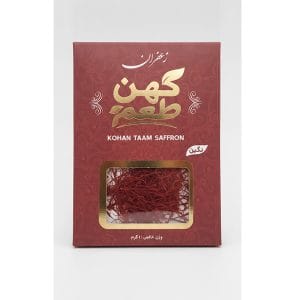
| Premium Saffron | 0.2 to 0.3 grams | Steep in warm broth for 20 minutes before using. |
| Beef/Chicken Stock | 1 to 1.2 Liters | Must be kept simmering on a separate burner. |
| Dry White Wine | 120ml (1/2 cup) | Adds necessary acidity to balance the richness. |
| Parmigiano-Reggiano | 80g (Grated) | Use freshly grated for the final emulsion. |
Step-by-Step Cooking Process
Step 1: The Saffron Infusion
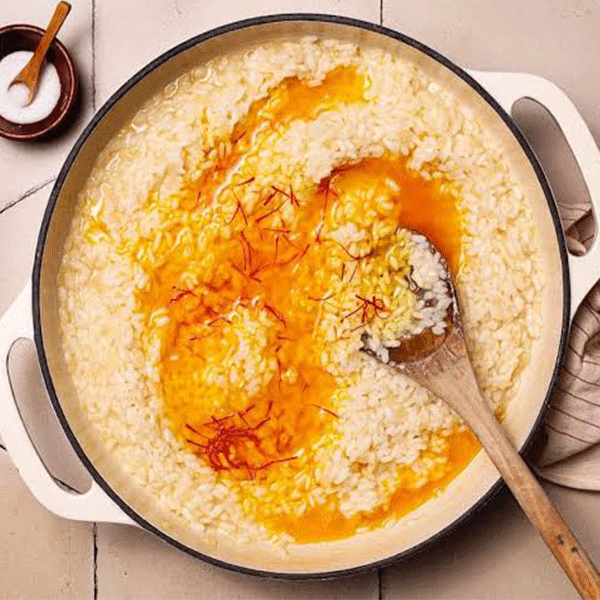
Crush your saffron threads gently and soak them in a small ladle of warm broth. Let it bloom. This extracts the deep golden color and floral aroma.
Step 2: Toasting the Rice (Tostatura)
In a wide, heavy-bottomed pan, sauté finely minced onions in butter (and bone marrow, if using) until translucent. Add the rice and toast it for 2-3 minutes until the edges are slightly translucent. This seals the grain.
Step 3: Deglaze and Simmer
Pour in the white wine and stir until the alcohol evaporates. Now, begin adding the hot stock one ladle at a time. Stir continuously. Allow the liquid to absorb almost completely before adding the next ladle.
Step 4: The Golden Touch
About halfway through the cooking time (around the 10-minute mark), pour in your saffron-infused broth. Watch the risotto transform into a brilliant, vibrant yellow.
Step 5: The “Mantecatura” (The Creamy Secret)
When the rice is al dente (tender but with a slight bite), remove the pan from the heat. This is critical. Add a cold knob of butter and the grated Parmigiano-Reggiano. Stir vigorously to emulsify the fats with the starchy water. This creates the signature creamy sauce.
Records mentioned in this article
Frequently Asked Questions
You likely overcooked the rice, stirred too infrequently (preventing starch release), or added all the broth at once. It must be ladled in gradually.
Yes, you can substitute the butter and cheese with a high-quality olive oil and a dash of nutritional yeast, though the texture will be slightly different from the classic Milanese style.
Premium saffron should smell earthy and floral, never metallic or sweet. The threads should be deep red, not yellow.