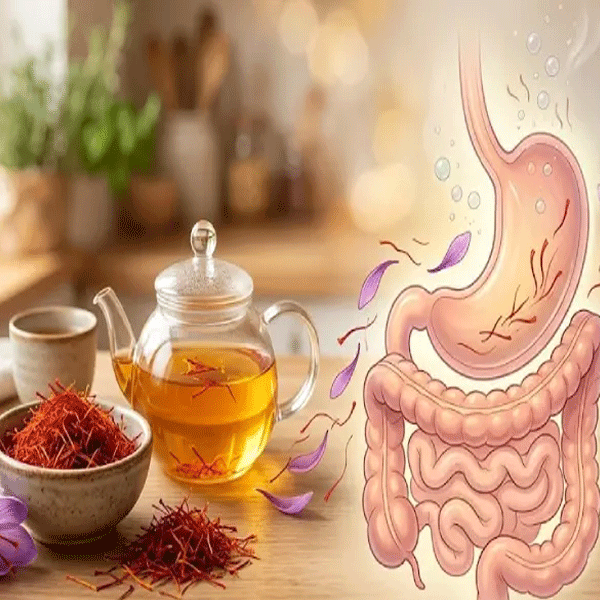
Saffron is not a generic digestive cure-all, but a highly targeted antispasmodic that relaxes intestinal smooth muscle to relieve acute IBS cramps and visceral pain. Securing these real medicinal benefits means bypassing heavily marketed, repackaged floral waste and sourcing authentic Super Negin traceable directly to its true region of origin. To actually extract the gut-calming crocin and safranal, these raw threads must be steeped in warm liquid with a trace of fat—never swallowed dry.
Saffron at a Glance: Key Facts for Buyers & Businesses
| Category | Details |
|---|---|
| Botanical Name | Crocus sativus L. |
| Primary Origins | Iran (90%), Afghanistan, Spain, Kashmir (India), Greece |
| Active Compounds | Crocin (color), Picrocrocin (flavor), Safranal (aroma) |
| Grading Standards | ISO 3632 (Category I–III based on crocin, picrocrocin, safranal levels) |
| Common Grades | Sargol (all-red threads), Negin (premium long threads), Pushal (red + some yellow) |
| Retail Price Range (2026) | 8– 15/gram (premium), 500 – 500– 3,000/kg (bulk, B2B) |
| Key Quality Indicators | Deep red color, minimal yellow threads, strong aroma, moisture <12%, no additives |
| Shelf Life | 2–3 years (airtight, cool, dark storage) |
| Culinary Uses | Paella, risotto, Persian rice, desserts, teas |
| Health Benefits | Antioxidant, mood support, potential anti-inflammatory properties* |
| Buying Tips for Consumers | Buy threads (not powder), check ISO cert, test 2–3 threads in warm water |
| Sourcing Tips for Businesses | Request lab reports (ISO 3632), verify origin docs, sample before bulk orders |
Saffron at a Glance: Key Facts for Buyers & Businesses. Origin, grades, 2026 prices, and purity checks — the essentials for both home and bulk saffron buyers, in one table. Columns: Category, Details. Botanical Name — Crocus sativus L.. Primary Origins — Iran (90%), Afghanistan, Spain, Kashmir (India), Greece. Active Compounds — Crocin (color), Picrocrocin (flavor), Safranal (aroma). Grading Standards — ISO 3632 (Category I–III based on crocin, picrocrocin, safranal levels). Common Grades — Sargol (all-red threads), Negin (premium long threads), Pushal (red + some yellow). Retail Price Range (2026) — 8– 15/gram (premium), 500 – 500– 3,000/kg (bulk, B2B). Key Quality Indicators — Deep red color, minimal yellow threads, strong aroma, moisture <12%, no additives. Shelf Life — 2–3 years (airtight, cool, dark storage).
If you are buying saffron specifically to settle your stomach, you are paying for two distinct chemical compounds: crocin and safranal.
Saffron is heavily marketed as a mood enhancer and luxury spice, but its historical use in gastrointestinal medicine is grounded in physical mechanics. The threads of the Crocus sativus flower act as an antispasmodic. When the smooth muscles in your intestinal tract contract erratically—causing cramps, bloating, or the acute discomfort associated with irritable bowel syndrome (IBS)—the active compounds in saffron work to relax that tissue.
It is not a probiotic. It will not repopulate your gut flora. What it does is lower localized inflammation and reduce visceral hypersensitivity.
Here is how the supply chain, the chemistry, and the application actually work.
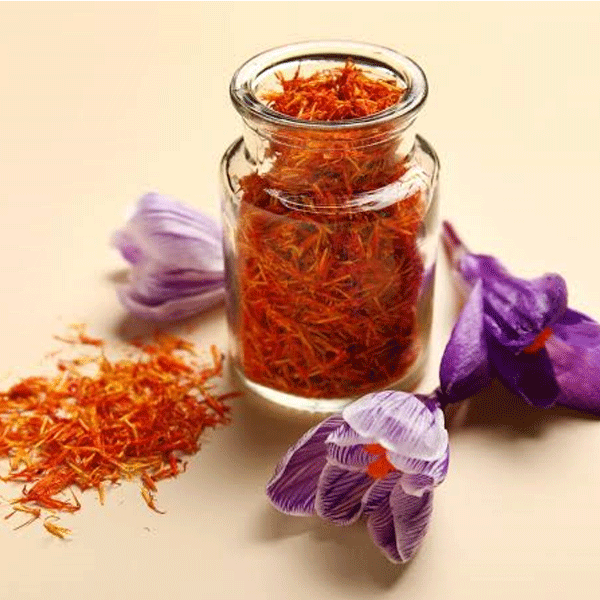
saffron for gut health
The Mechanisms of Action
When you ingest high-quality saffron extract or a properly brewed infusion, the compounds survive the initial stomach acid and interact with the mucosal lining of your gut.
Crocin and Crocetin (Water-Soluble Antioxidants): These give saffron its deep red color. In the gut, they scavenge free radicals, which reduces the oxidative stress that triggers chronic gut inflammation. Confidence: Well-Supported.
Safranal (Volatile Oil): This provides the aroma. It acts directly on the central nervous system and the enteric nervous system (the “brain” in your gut) to reduce muscle spasms and ease pain signaling. Confidence: Well-Supported.
Microbiota Modulation: Some recent trials suggest saffron may act as a prebiotic, selectively feeding beneficial bacteria like Lactobacillus.
Confidence: Disputed. [VERIFY: conclusive human trials demonstrating measurable shift in microbiome diversity].
Gastric Ulcer Prevention: Animal studies show saffron extract thickens the mucosal barrier, protecting against acid-induced ulcers.
The Reality of Sourcing Saffron for Health
You cannot buy generic, pre-ground saffron from a supermarket baking aisle and expect a therapeutic result. By the time it reaches that shelf, the volatile oils have largely evaporated. Light and oxygen degrade crocin rapidly.
To get the digestive benefits, you need fresh, correctly processed threads. Understanding the origin dictates the quality.
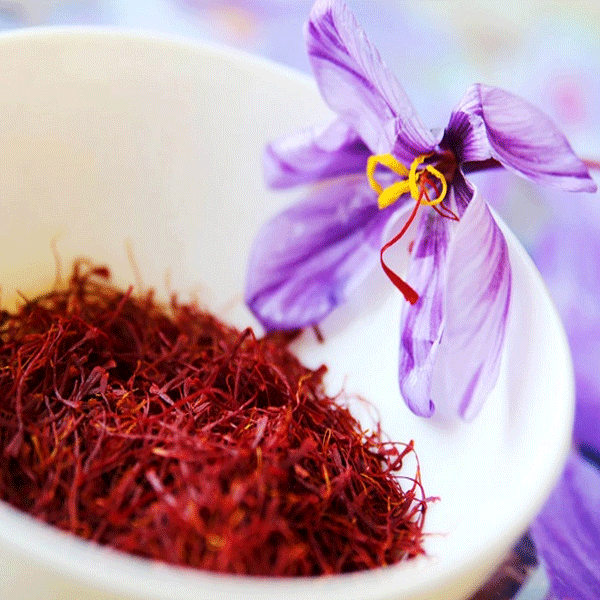
saffron for gut health
Where it is GROWN: Over 90% of the world’s saffron is grown in the Khorasan region of Iran, with secondary medicinal-grade crops coming from Herat, Afghanistan, and the Kashmir valley in India.
Where it is PROCESSED: The critical step for medicinal efficacy is the drying process. The stigmas must be separated from the flower and dried immediately. This happens locally, often in small cooperative facilities right next to the farms. Proper rapid drying locks in the safranal.
Where it is PACKED/LABELED: This is where the market gets muddy. Bulk saffron is routinely exported to Spain or the United Arab Emirates. There, it is graded, repackaged into retail tins, and legally labeled with the origin of the packaging country. A box that says “Packed in Spain” rarely means the flower was grown in Spanish soil.
For gut health, you want “Super Negin” or “Negin” grade. These grades consist entirely of the red stigma tips, containing the highest concentration of crocin. Avoid “Pushal” or “Dasteh” if your primary goal is extraction for medicinal use, as these contain the yellow styles which carry negligible active compounds.
Real, medicinal-grade Super Negin commands 1,800– 3,200 per kg (wholesale, [AUGUST 2026]). If you are paying significantly less, you are likely buying old stock, mixed floral waste, or dyed corn silk.
Saffron Health Benefits: Strip away the marketing and ancient folklore, and the clinical data reveals a highly specific, potent pharmacological profile.
Saffron vs. Common Digestive Aids
| Remedy | Primary Mechanism | Best Used For | Limitations |
|---|---|---|---|
| Saffron (Extract/Tea) | Antispasmodic, anti-inflammatory, nerve-calming. | Stress-induced gut spasms, IBS cramps, visceral pain. | Expensive. High doses are toxic. Highly adulterated market. |
| Ginger | Prokinetic (speeds up gastric emptying). | Nausea, heavy stomach, slow digestion. | Can trigger acid reflux or heartburn in high amounts. |
| Probiotics | Introduces live bacteria to the lower intestine. | Post-antibiotic recovery, general microbiome health. | Takes weeks to work. Does not provide acute pain relief. |
| Peppermint Oil | Menthol blocks calcium channels in smooth muscle. | Acute IBS cramping, bloating. | Must be enteric-coated or it will relax the esophageal sphincter, causing severe heartburn. |
Extraction and Application: How to Actually Use It
Swallowing dry saffron threads does almost nothing. The compounds must be extracted into a liquid before your gut can absorb them efficiently.
The Water and Fat Method:
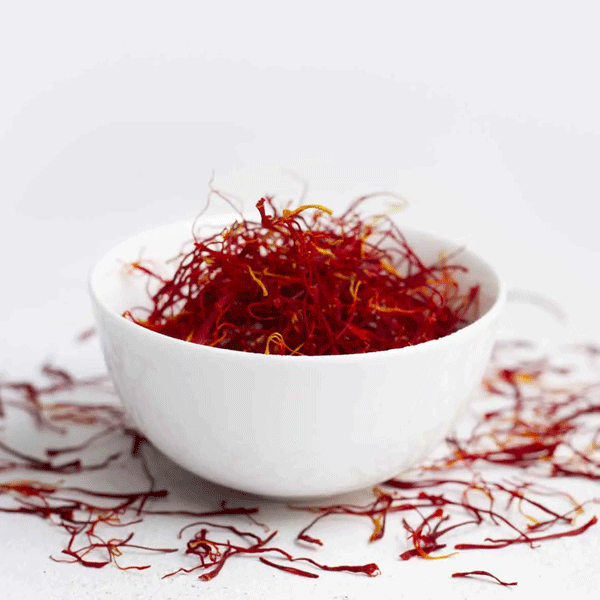
Crocin is water-soluble. Safranal is fat-soluble and highly volatile. To get both, grind 10 to 15 threads into a fine powder using a mortar and pestle. Drop the powder into a cup of warm—not boiling—water. Boiling water destroys the volatile oils instantly. Let it steep for 15 minutes. The water will turn deep amber. Adding a single drop of fat, like olive oil or whole milk, binds to the safranal, carrying it intact into your digestive tract.
Dosage:
Clinical trials measuring saffron’s effect on depression and digestive inflammation typically use 30mg of standardized extract per day. For raw threads, this equates to roughly 15 to 20 threads.
saffron for gut health
Do not exceed 1.5 grams in a single day. At 5 grams, saffron is toxic. At 10 grams, it is an abortifacient and potentially fatal. Confidence: Verified.
Where Saffron Fails
Saffron is a modulator. It calms overactive nerve responses in the gut and reduces background inflammation.
It will not fix a structural issue. It will not cure an active H. pylori infection, nor will it override the effects of eating a diet entirely hostile to your specific biology. If your gut issues stem from a lack of digestive enzymes or low stomach acid, saffron’s antispasmodic nature might actually slow things down further, which is the opposite of what you want.
Buy it if you have stress-linked digestive cramps, visceral pain, or inflammatory flares. Source it from a supplier who can tell you exactly which farm it came from and the month it was harvested. Keep it in a dark, airtight glass jar. If you leave it on the counter in the sun, you are just looking at dead plant matter.
Reference:
“https://pubmed.ncbi.nlm.nih.gov/32089715/”
Records mentioned in this article
Frequently Asked Questions
It acts as an antispasmodic, relaxing smooth intestinal muscles to reduce cramps, bloating, and visceral pain.
The active compounds (crocin and safranal) must be extracted to work. Ground threads must be steeped in warm water with a small amount of fat to capture both water- and fat-soluble benefits.
No. Bulk saffron is primarily grown in regions like Khorasan, Iran, then legally exported to Spain or the UAE for retail packaging.