The next time you steep saffron threads for a recipe, take a moment to appreciate the journey of those crimson strands. They didn’t come from a factory. They came from the careful, practiced hands of women halfway across the world, waking up before dawn to harvest the autumn fields. By choosing transparent, ethically sourced brands, we ensure that the women behind the world’s most luxurious spice finally reap the rewards of their labor.
Saffron at a Glance: Key Facts for Buyers & Businesses
| Category | Details |
|---|---|
| Botanical Name | Crocus sativus L. |
| Primary Origins | Iran (90%), Afghanistan, Spain, Kashmir (India), Greece |
| Active Compounds | Crocin (color), Picrocrocin (flavor), Safranal (aroma) |
| Grading Standards | ISO 3632 (Category I–III based on crocin, picrocrocin, safranal levels) |
| Common Grades | Sargol (all-red threads), Negin (premium long threads), Pushal (red + some yellow) |
| Retail Price Range (2026) | 8– 15/gram (premium), 500 – 500– 3,000/kg (bulk, B2B) |
| Key Quality Indicators | Deep red color, minimal yellow threads, strong aroma, moisture <12%, no additives |
| Shelf Life | 2–3 years (airtight, cool, dark storage) |
| Culinary Uses | Paella, risotto, Persian rice, desserts, teas |
| Health Benefits | Antioxidant, mood support, potential anti-inflammatory properties* |
| Buying Tips for Consumers | Buy threads (not powder), check ISO cert, test 2–3 threads in warm water |
| Sourcing Tips for Businesses | Request lab reports (ISO 3632), verify origin docs, sample before bulk orders |
Saffron at a Glance: Key Facts for Buyers & Businesses. Origin, grades, 2026 prices, and purity checks — the essentials for both home and bulk saffron buyers, in one table. Columns: Category, Details. Botanical Name — Crocus sativus L.. Primary Origins — Iran (90%), Afghanistan, Spain, Kashmir (India), Greece. Active Compounds — Crocin (color), Picrocrocin (flavor), Safranal (aroma). Grading Standards — ISO 3632 (Category I–III based on crocin, picrocrocin, safranal levels). Common Grades — Sargol (all-red threads), Negin (premium long threads), Pushal (red + some yellow). Retail Price Range (2026) — 8– 15/gram (premium), 500 – 500– 3,000/kg (bulk, B2B). Key Quality Indicators — Deep red color, minimal yellow threads, strong aroma, moisture <12%, no additives. Shelf Life — 2–3 years (airtight, cool, dark storage).
When you open a small glass jar of premium saffron, the first thing that hits you is the intoxicating, earthy aroma. The second is the striking crimson color of the threads. But what you don’t see, and what most labels won’t tell you, are the purple-stained fingertips of the women who made that jar possible.
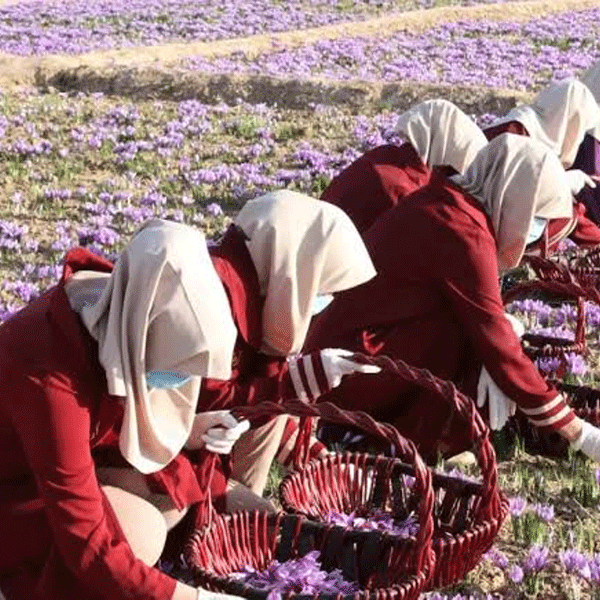
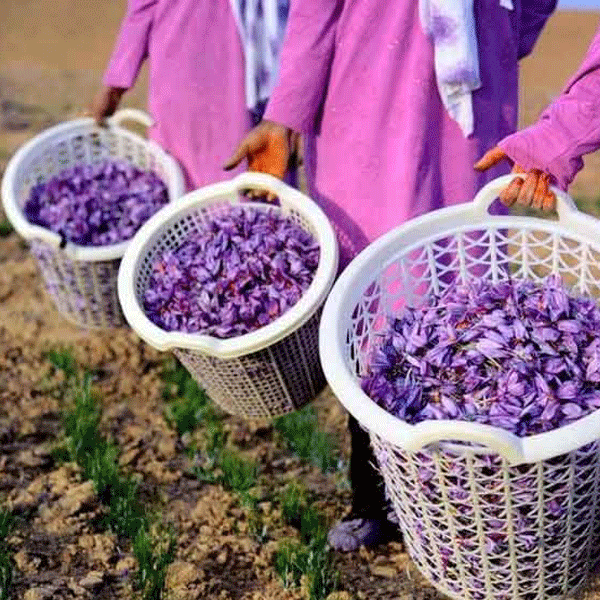
Behind every gram of the world’s most expensive spice is a highly localized, fiercely traditional, and entirely manual labor force. Whether in the Khorasan province of Iran, the Pampore region of Kashmir, or the fields of Herat in Afghanistan, the saffron harvest is overwhelmingly driven by women.
At OriginAndSource.com, we believe that understanding a product means knowing its roots. If you are buying saffron for culinary, medicinal, or retail purposes, understanding the human element behind its harvest isn’t just about ethics—it directly dictates the quality of the spice you buy.
Saffron harvest process
Why the “Red Gold” Supply Chain Relies on Women
You might wonder why, in an era of advanced agricultural technology, saffron harvesting hasn’t been mechanized. The answer lies in the biology of the Crocus sativus flower.
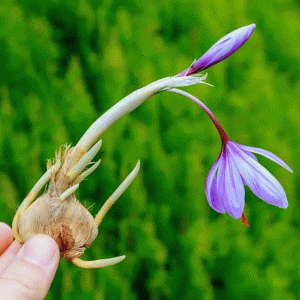
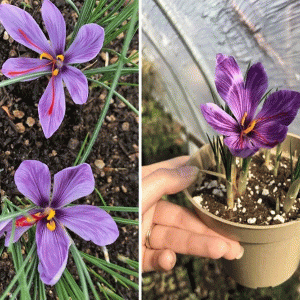
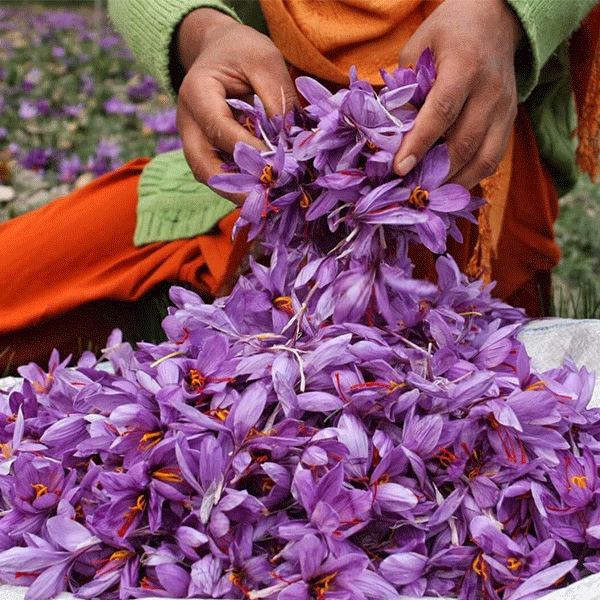
Each flower blooms only once a year, over a fleeting two-to-three-week period in late autumn. More importantly, the flower sits just inches above the ground and is incredibly fragile. Inside each purple bloom are three tiny red stigmas—the saffron threads.
Machines are simply too clumsy. They crush the petals, break the stigmas, and mix dirt into the harvest, destroying the product’s value.
For centuries, this delicate extraction has relied on the dexterity and patience of female workers. Mothers, daughters, and grandmothers often work side-by-side, utilizing generational knowledge. The speed at which an experienced harvester can pinch the flower at its base without bruising the stigmas is something no modern machine has been able to replicate.
A Day in the Life: The Multi-Step Harvest Process
Understanding the premium price of saffron requires looking at the actual day-to-day workflow during the harvest season. It is a race against time and the elements.
Saffron harvest process
The Pre-Dawn Picking: The workday begins around 4:00 AM. Flowers must be picked before the sun fully rises. Once direct sunlight hits the blossomed crocus, the essential oils within the stigmas begin to degrade, diminishing the aroma and flavor of the final product.
The Sorting and Separation (Clearing): After collecting the flowers in wicker baskets, the women move indoors. This is the most labor-intensive step. They carefully peel back the purple petals to extract the three red stigmas, ensuring they do not snap the threads. Leaving too much of the yellow style (the base of the thread) lowers the grade of the saffron.
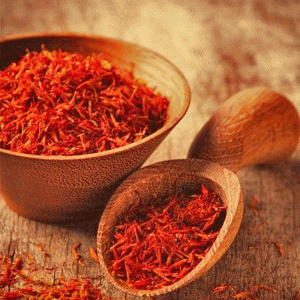
The Drying Process: The fresh threads are then dried. Traditionally, this is done by toasting them lightly over charcoal or laying them out in warm, dry rooms. The moisture is drawn out rapidly to lock in the crocin (the compound responsible for the color) and safranal (the aroma).
It takes roughly 150,000 to 170,000 individual flowers—and over 400 hours of manual labor—to produce just one kilogram of dried saffron.
Saffron Business andTrade Guide: Discover how to confidently source, verify, and trade the world’s most valuable spice.
Comparing Sourcing: Commercial vs. Fair Trade
| Feature | Traditional Commercial Sourcing | Fair Trade / Direct Sourcing |
|---|---|---|
| Wage Structure | Paid per kilo of fresh flowers (often below living wage). Middlemen take the bulk of profits. | Guaranteed premium wages paid directly to farming cooperatives or female workers. |
| Quality Control | Often mixed batches from various farms. Higher risk of added moisture or yellow styles to increase weight. | Single-origin tracking. Workers are incentivized for precision (Negin or Sargol grades) rather than just volume. |
| Socio-Economic Impact | Maintains seasonal poverty cycles. Women rarely see financial independence. | Funds community projects, healthcare, and education. Empowers female entrepreneurship. |
| Consumer Cost | Variable (Cheap saffron is usually a red flag for poor quality or unethical labor). | Premium pricing, but guarantees maximum potency, color, and ethical standards. |
How to Buy Saffron Ethically
If you are evaluating which brand of saffron to stock or purchase, look beyond the fancy packaging. The origin and source matter. Here are the practical steps you should take to ensure you are buying high-quality, ethically harvested saffron:
Look for Single-Origin Labels: Saffron blended from multiple countries usually indicates a broker-heavy supply chain. Look for specific regions (e.g., Qaenat in Iran, La Mancha in Spain).
Check the Grade: Look for terms like Super Negin or Sargol. These grades mean the yellow style has been completely removed. This requires meticulous, careful hand-clearing by skilled women.
Verify the Certifications: Look for ISO 3632 certification (which tests for color, flavor, and aroma strength) alongside Fair Trade or B-Corp badges.
Avoid “Bargain” Saffron: If the price seems too good to be true, you are likely buying safflower, dyed corn silk, or saffron harvested under exploitative labor conditions.
Records mentioned in this article
Frequently Asked Questions
Historically, this has been driven by local cultural norms in rural agricultural regions, but practically, the harvest requires immense precision and gentle handling. The task of separating the stigma without bruising the petal has been a specialized skill passed down through generations of women.
Yes. When female harvesters are paid fair wages and aren’t rushed to meet grueling, low-paying quotas, they take more care in the extraction process. This results in fewer broken threads, less floral waste mixed into the batch, and a purer concentration of the red stigma (the most potent part of the spice).
Because authentic, hand-harvested saffron is incredibly potent, a little goes a long way. For a family-sized dish (like paella or risotto), you only need about 10 to 15 threads (roughly a pinch). Always steep them in warm water or broth for 15 minutes before adding them to your dish to release their full color and flavor.