When sourcing ingredients for high-end culinary production, commercial baking, or artisanal manufacturing, vanilla is rarely just “vanilla.” The geographical origin of a vanilla bean dictates a complex profile of over 250 organic flavor compounds. If you are making a purchasing decision, understanding the nuances in the bourbon vs tahitian vanilla debate—alongside the historical depth of Mexican vanilla—is the first step toward perfecting your product’s flavor architecture.
In my years of evaluating ingredient supply chains, I’ve noticed a common pitfall among buyers: treating all vanilla as a monolithic commodity. To get the best ROI on this expensive spice, you need to understand that you are not just choosing a flavor profile; you are choosing distinct botanical species, curing traditions, and terroirs.
The Golden Rule of Sourcing: Species Over Grade
Before diving into flavor notes, we need to clear up the biggest misconception in the vanilla trade. Many buyers mistakenly believe that “Tahitian” and “Bourbon” are simply different grades or quality tiers of the same plant. This is fundamentally incorrect. They are entirely different botanical species.
bourbon vs tahitian vanilla
Bourbon Vanilla (and Mexican Vanilla) comes from the orchid species Vanilla planifolia. It is characterized by high levels of naturally occurring vanillin, giving it that classic, robust, and creamy flavor we universally associate with “vanilla.”
Tahitian Vanilla comes from a different species altogether: Vanilla x tahitensis (a natural hybrid of V. planifolia and V. odorata). It contains significantly less vanillin but is packed with anisyl compounds, resulting in a delicate, floral, and fruity aroma.
You cannot compare them merely on a grading scale of A vs. B; you must compare them like you would compare apples and oranges in the fruit world.
Bourbon Vanilla: The Industry Standard
Despite the name, Bourbon vanilla has nothing to do with whiskey. It is named after the Île Bourbon (now Réunion Island), where the hand-pollination technique that commercialized vanilla was invented. Today, the term “Bourbon Vanilla” generally applies to Vanilla planifolia grown in the Indian Ocean region—most notably Madagascar, but also Uganda, Comoros, and Tanzania.
Flavor Profile and Sensory Notes
Bourbon vanilla is the flavor of nostalgia. It is rich, dark, creamy, and heavily sweet. Because of its high vanillin content, it holds up exceptionally well under high temperatures.
Best Culinary and Commercial Applications
If your production involves heat, this is your bean. It is the undisputed champion for baked goods, cookies, cakes, and hot-processed sauces. The robust flavor doesn’t bake out or dissipate when exposed to oven temperatures.
Buying Insight
Madagascar produces about 80% of the world’s vanilla, meaning Bourbon is the most accessible. However, crop yields and cyclones can cause massive price volatility. When sourcing, always check the moisture content, as poorly cured beans can mold during shipping. For a deeper dive into market trends, supply chains, and historical data, review our complete vanilla origin and market data resource.
bourbon vs tahitian vanilla
Tahitian Vanilla: The Pastry Chef’s Secret Weapon
Grown primarily in French Polynesia and Papua New Guinea, Vanilla x tahitensis is the luxury sports car of the vanilla world. The vines produce a plumper, wider pod that holds fewer seeds but significantly more moisture and essential oils.
Flavor Profile and Sensory Notes
When you open a batch of Tahitian vanilla, the aroma hits you differently. Instead of just creamy sweetness, you will detect notes of dark cherry, chocolate, black licorice (anise), caramel, and deep floral tones. It is intensely fragrant but possesses a more subtle actual taste compared to Bourbon.
Best Culinary and Commercial Applications
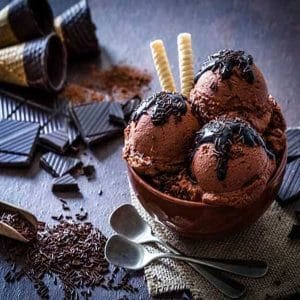
Tahitian vanilla is highly volatile, meaning its complex flavor compounds evaporate quickly when exposed to heat. Therefore, it is a waste of money to bake with Tahitian vanilla. Instead, use it exclusively in cold or low-heat applications. It shines in premium ice creams, pastry creams, custards, fruit compotes, and luxury perfumes.
Buying Insight
Tahitian vanilla is significantly more expensive than Bourbon due to lower global yields and highly labor-intensive curing processes. Buyers should note that Papua New Guinea (PNG) Tahitian-style beans offer a similar flavor profile at a slightly more competitive price point than authentic French Polynesian pods.
Mexican Vanilla: The Ancient Original
Mexico is the birthplace of vanilla. For centuries, Vanilla planifolia grew wild here, pollinated naturally by the indigenous Melipona bee. While Mexico produces only a tiny fraction of the world’s vanilla today, it remains a highly sought-after origin for purists.
Flavor Profile and Sensory Notes
Because it is the same species as Bourbon vanilla (Vanilla planifolia), it shares the same high-vanillin base. However, the Mexican terroir and traditional curing processes (which often involve sun-drying and sweating in ovens) give it a distinct edge. Mexican vanilla is famously described as having a “spicy” or “woody” undertone, with hints of clove, nutmeg, and deep oak.

bourbon vs tahitian vanilla
Best Culinary and Commercial Applications
Mexican vanilla pairs flawlessly with chocolate. It cuts through the bitterness of dark chocolate and elevates the warmth of spices like cinnamon and cardamom. It is excellent for savory sauces, rich chocolate desserts, and premium beverage manufacturing.
Buying Insight
Beware of “cheap” Mexican vanilla sold in tourist markets. These are often synthetic liquids cut with coumarin (a toxic substance banned by the FDA). Authentic Mexican vanilla beans and pure extracts are rare, expensive, and sourced through dedicated agricultural co-ops.
Quick Comparison: Bourbon vs Tahitian vs Mexican Vanilla
| Origin Type | Botanical Species | Primary Flavor Notes | Best Commercial Use |
|---|---|---|---|
| Bourbon (Madagascar) | Vanilla planifolia | Creamy, sweet, classic, robust | Baked goods, hot sauces, general manufacturing |
| Tahitian | Vanilla x tahitensis | Floral, cherry, anise, delicate | Ice cream, custards, cold-prep desserts, perfumes |
| Mexican | Vanilla planifolia | Woody, spicy, clove-like, smooth | Chocolate pairings, spiced beverages, premium extracts |
Form Matters: Pods, Extract, or Paste?
Choosing your origin is only half the battle; choosing the format is just as critical for your production line. While whole pods offer the highest visual appeal (those beautiful black specks in your ice cream) and the most complex flavor, they require labor to split and scrape.
Commercial manufacturers often turn to industrial-grade extracts or pastes to ensure batch consistency and reduce labor costs. If you are unsure which format fits your scale and budget, we highly recommend reading our detailed guide on choosing between vanilla pods, extracts, or pastes.
Understanding Quality: Beyond the Origin
Whether you decide on a floral Tahitian or a robust Bourbon, the ultimate success of your ingredient depends on its grade. Not all beans from Madagascar are high quality, just as not all beans from Tahiti are flawless.
When talking to suppliers, you must ask about the moisture content, the curing method, and the length of the pods. “Grade A” (Gourmet) beans will have high moisture (25-35%) and be visually plump, while “Grade B” (Extract grade) will be drier (15-20%) with minor visual imperfections, making them perfect for alcohol extraction. To avoid overpaying, familiarize yourself with standard vanilla grading and quality standards before signing a purchase order.
bourbon vs tahitian vanilla
The Buyer’s Verdict
So, which should you buy?
If you are running a high-volume bakery, stick to Bourbon vanilla. It offers the heat stability and classic flavor profile that consumers expect, alongside a more reliable global supply chain.
If you are an artisanal gelateria or high-end pastry chef creating unbaked delicacies, the investment in Tahitian vanilla will set your product apart with an unforgettable, exotic fragrance.
And if you specialize in artisan chocolates or spiced profiles, Mexican vanilla will provide the complex, woody backbone your product needs.
Understanding the botanical differences between these beans transforms you from a simple buyer into a master flavor architect.
Records mentioned in this article
Frequently Asked Questions
Neither is objectively “better”—they serve completely different culinary purposes because they are different botanical species. Bourbon vanilla (V. planifolia) is higher in vanillin, making it robust and perfect for high-heat baking. Tahitian vanilla (V. tahitensis) is floral, delicate, and lower in vanillin, making it superior for cold applications like ice cream or pastry cream where its complex cherry and anise notes won’t evaporate.
Authentic Mexican vanilla beans and pure extracts are perfectly safe and highly prized. However, cheap, artificially manufactured “vanilla” sold in Mexican tourist shops is sometimes cut with Tonka bean extract, which contains coumarin. Coumarin is a chemical compound banned by the FDA because it can cause liver damage. As a commercial buyer, always source Mexican vanilla through reputable, transparent B2B suppliers.
You can, but the final flavor profile will change significantly. If a recipe specifically calls for Tahitian vanilla, it is likely a cold dessert designed to highlight floral and fruity notes. Substituting Bourbon vanilla will give the dessert a more traditional, “classic sweet” vanilla flavor. If you must substitute, do it at a 1:1 ratio, but expect a shift in the sensory experience.