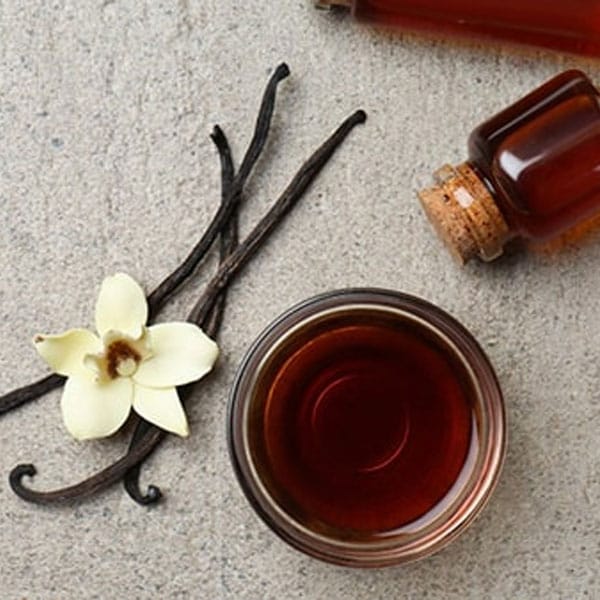
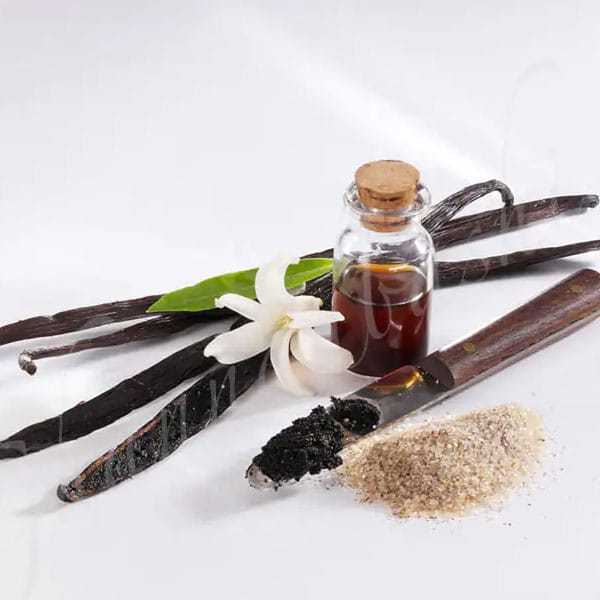
If you have ever sliced open a plump, fragrant vanilla bean and scraped out the thousands of tiny, caviar-like seeds inside, you have likely marveled at its intense, complex aroma. You might have also noticed its premium price tag. Real vanilla is the second most expensive spice in the world, trailing only behind saffron. But to truly understand its value, you have to look past the kitchen counter and journey into the dense, humid jungles where this remarkable orchid grows.
When food enthusiasts and culinary professionals ask exactly how long does vanilla take to grow, they are usually expecting a timeline measured in a single farming season. The reality is far more astonishing. Bringing a single vanilla pod from a planted cutting to a fragrant, ready-to-use spice is a labor-intensive journey that spans several years.
It is a story of incredible patience, precise timing, and generations of agricultural expertise. Let’s break down the exact timeline of a vanilla pod’s life cycle, from the moment the vine takes root to the day the cured bean reaches your pantry.
how long does vanilla take to grow
Waiting for the Vine to Mature
Vanilla is not a bush or a tree; it is an orchid—specifically, Vanilla planifolia. Like many orchids, it is exceptionally temperamental and demands a very specific environment to thrive. It requires high humidity, dappled shade, and a host tree (often called a tutor) to climb.
When a farmer decides to cultivate vanilla, they do not plant seeds. Instead, they take cuttings from an existing healthy vine and plant them at the base of the support trees. Then, the waiting game begins.
Unlike annual crops that yield a harvest in a few months, a newly planted vanilla cutting requires years of vegetative growth before it even thinks about reproducing. In fact, it takes a full three years for a young vanilla vine to reach maturity and start bearing fruit. During these three years, farmers must continuously prune the vines, manage the shade levels of the canopy, and protect the fragile plants from pests and harsh weather—all without seeing a single bean or making a single dime in return.
However, once the vine finally crosses this three-year threshold, it becomes an incredibly loyal and reliable asset to the farmer. A well-maintained vanilla vine remains productive for 12 to 14 years, rewarding the farmer’s initial patience with over a decade of annual harvests.
The Critical Window of Pollination
After three years of careful cultivation, the vine finally produces clusters of pale greenish-yellow orchid blossoms. You might think the hard part is over, but the true challenge has just begun.
In its native Mexico, the vanilla orchid is naturally pollinated by a specific species of Melipona bee. However, because vanilla is now primarily grown in Madagascar, Indonesia, and Uganda—where this specific bee does not exist—nature needs a helping hand.
Each vanilla blossom opens for only a single day, and the window for successful pollination is terrifyingly brief, usually lasting just a few hours in the early morning. If the flower is not pollinated before it wilts in the midday sun, it drops from the vine, and no pod will form. Because of this impossibly tight biological clock, farmers rely on the meticulous art of hand-pollinating every vanilla flower to ensure a harvest.
Using a small bamboo splinter or a specialized wooden needle, workers quickly and delicately lift the plant’s rostellum (a flap that separates the male and female organs) and gently press the pollen-bearing anther against the stigma. During the blooming season, farmers and their families work frantically from dawn until mid-morning, inspecting thousands of vines to catch every open flower. It is one of the most labor-intensive agricultural processes on earth.
how long does vanilla take to grow
Formation and Ripening on the Vine
If the hand-pollination is successful, the flower will close, and the base of the blossom will begin to swell. The development of the actual pod is a fascinating two-stage process.
First comes the rapid physical growth. It takes roughly 5 to 6 weeks for the vanilla pod to fully form and elongate to its maximum size. At this stage, it looks very much like a thick, green string bean. However, while it may have reached its full length, it is entirely devoid of the classic vanilla flavor and aroma.
The second stage is a long, slow maturation. The green pod must remain attached to the vine for about 6 months to slowly ripen. During this half-year waiting period, the pod is quietly developing a complex profile of hundreds of flavor compounds, the most important being glucovanillin.
Leaving the pods on the vine for these 6 months is a nerve-wracking time for farmers. The highly valuable crop is vulnerable to severe tropical storms, fungal infections, and, unfortunately, agricultural theft. Farmers often have to patrol their vanilla plots at night to protect their livelihood. The pods are finally ready to be harvested only when the very tip of the green bean begins to turn a pale, golden yellow.
Transforming Green Pods into Black Gold
When the vanilla is carefully snipped from the vine, the farming phase ends, but the journey to your kitchen is only halfway done. A freshly harvested green vanilla bean has absolutely no vanilla smell or taste. To unlock the magic inside, the beans must undergo a complex curing process that takes several additional months.
The traditional “Bourbon” curing method (most famously used in Madagascar) involves four distinct steps:
Killing: The green beans are briefly submerged in hot water to stop their vegetative growth and initiate enzymatic reactions.
Sweating: The warm beans are rapidly wrapped in wool blankets and stored in dark boxes. Over several weeks, they are alternated between sweating in the boxes and baking in the hot tropical sun. This is when the glucovanillin converts into vanillin, and the beans turn their signature dark brown color.
Drying: The beans are slowly dried on open-air racks in the shade to bring their moisture levels down to a stable, safe percentage, preventing mold.
Conditioning: The dried beans are placed in wax-lined wooden trunks for another two to three months to age, much like fine wine, allowing the flavor profile to deepen and mellow.
All in all, from the day the flower is pollinated to the day the curing is finished, a single vanilla bean takes nearly a full year to produce.
how long does vanilla take to grow
Quality Control and the Global Journey
Before these intensely flavorful beans are packaged and shipped to bakeries, perfume houses, and kitchens around the world, they must undergo rigorous quality control. This is where the meticulous process of vanilla grading and sorting before export takes place.
Experts measure the moisture content, assess the length, check for visual blemishes, and classify the beans into categories such as Grade A (Gourmet/Premium) or Grade B (Extract grade). Only the plumpest, most beautifully cured, and oil-rich beans make the cut for retail sale. If you are curious about the intricate details of how these origins dictate quality and sourcing practices, you can explore our comprehensive vanilla origin and sourcing record.
A Timeline of Dedication
So, how long does vanilla take to grow? If you are starting from a fresh cutting, it takes over four years to hold a cured bean in your hand. If you are looking at an already mature vine, it takes about nine to ten months of constant care, hand-pollination, growth, and curing to produce that year’s crop.
The next time you slice open a vanilla bean or measure out a teaspoon of pure extract, take a moment to appreciate the journey. You are not just adding flavor to your recipe; you are utilizing years of human dedication, intense tropical sunshine, and a timeline that cannot be rushed by modern technology.
Records mentioned in this article
Frequently Asked Questions
Vanilla is unique because it is an orchid. The vine itself takes three full years just to reach sexual maturity. Once it blooms, the fertilization must be done entirely by hand, followed by a 6-month ripening period on the vine, and an additional 3 to 6 months of complex, multi-stage curing to develop its flavor.
Vanilla is harvested only once a year. The timeline is strictly dictated by the orchid’s blooming season. Because the pods take about 6 months to ripen after the specific blooming period, farmers have one single, concentrated harvest window annually.
While the initial waiting period of three years requires a lot of patience and investment, a healthy, well-maintained vanilla vine will remain highly productive for 12 to 14 years. During this productive lifespan, it will yield a reliable annual crop as long as the flowers are consistently hand-pollinated.