Discover the intertwined legacy of saffron in Ancient Persia and Greece, tracing its elite origins from 1600 BCE Minoan frescoes to Achaemenid royal courts. Learn how centuries of regional cultivation shaped the distinct chemical profiles that define today’s premium Persian Negin and PDO-certified Greek Krokos Kozanis. Master the art of elite spice sourcing with our expert guide to historical grading, authenticity testing, and securing the world’s most valuable harvest.
Saffron at a Glance: Key Facts for Buyers & Businesses
| Category | Details |
|---|---|
| Botanical Name | Crocus sativus L. |
| Primary Origins | Iran (90%), Afghanistan, Spain, Kashmir (India), Greece |
| Active Compounds | Crocin (color), Picrocrocin (flavor), Safranal (aroma) |
| Grading Standards | ISO 3632 (Category I–III based on crocin, picrocrocin, safranal levels) |
| Common Grades | Sargol (all-red threads), Negin (premium long threads), Pushal (red + some yellow) |
| Retail Price Range (2026) | 8– 15/gram (premium), 500 – 500– 3,000/kg (bulk, B2B) |
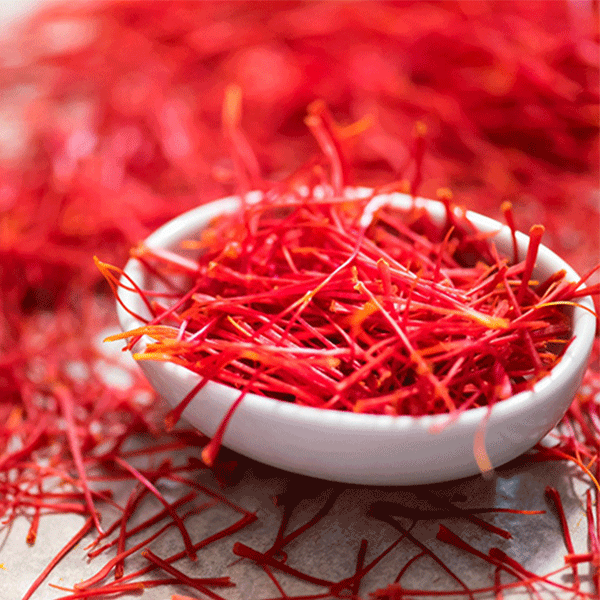
| Key Quality Indicators | Deep red color, minimal yellow threads, strong aroma, moisture <12%, no additives |
| Shelf Life | 2–3 years (airtight, cool, dark storage) |
| Culinary Uses | Paella, risotto, Persian rice, desserts, teas |
| Health Benefits | Antioxidant, mood support, potential anti-inflammatory properties* |
| Buying Tips for Consumers | Buy threads (not powder), check ISO cert, test 2–3 threads in warm water |
| Sourcing Tips for Businesses | Request lab reports (ISO 3632), verify origin docs, sample before bulk orders |
Saffron at a Glance: Key Facts for Buyers & Businesses. Origin, grades, 2026 prices, and purity checks — the essentials for both home and bulk saffron buyers, in one table. Columns: Category, Details. Botanical Name — Crocus sativus L.. Primary Origins — Iran (90%), Afghanistan, Spain, Kashmir (India), Greece. Active Compounds — Crocin (color), Picrocrocin (flavor), Safranal (aroma). Grading Standards — ISO 3632 (Category I–III based on crocin, picrocrocin, safranal levels). Common Grades — Sargol (all-red threads), Negin (premium long threads), Pushal (red + some yellow). Retail Price Range (2026) — 8– 15/gram (premium), 500 – 500– 3,000/kg (bulk, B2B). Key Quality Indicators — Deep red color, minimal yellow threads, strong aroma, moisture <12%, no additives. Shelf Life — 2–3 years (airtight, cool, dark storage).
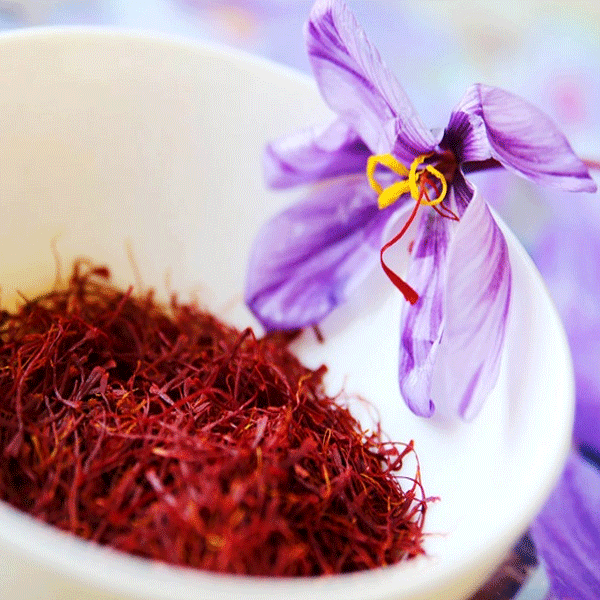
When I first started sourcing premium spices for OriginAndSource, I quickly learned that holding a gram of true saffron is like holding a piece of compressed history. You aren’t just looking at the dried stigmas of the Crocus sativus flower; you are looking at a commodity that once commanded the attention of emperors, healers, and merchants across the ancient world.
To truly understand how to buy, grade, and appreciate saffron today, you have to look back at its two greatest ancient champions: Persia (modern-day Iran) and Greece. Their historical relationship with this “red gold” didn’t just shape ancient trade routes; it entirely dictated the terroir, grading systems, and botanical lineage of the saffron sitting in your kitchen right now.
Here is the untold story of saffron in ancient Persia and Greece, and why this history is the ultimate buyer’s guide for modern sourcing.
History of saffron
The Roots of Red Gold: Bronze Age Greece
While many assume saffron originated in the Middle East, some of the most compelling early evidence of its organized harvest points directly to Bronze Age Greece.
If you look at the breathtaking “Saffron Gatherers” fresco discovered in the Minoan settlement of Akrotiri on the island of Thera (modern Santorini), dating back to around 1600 BCE, you see young women plucking crocus flowers. This wasn’t just decorative art. For the ancient Greeks, saffron was a foundational element of medicine, perfumery, and religious ritual.
Hippocrates, the father of medicine, regularly prescribed saffron for ailments ranging from insomnia to stomach issues. The Greeks recognized early on that the chemical compounds in the stigma—what we now know as crocin (color), picrocrocin (flavor), and safranal (aroma)—held potent bioactive properties.
Ancient Persia: Scaling the Saffron Empire
If Greece discovered the mystical and medicinal nuances of saffron, Ancient Persia commercialized it, perfected its cultivation, and turned it into an imperial luxury.
By the time of the Achaemenid Empire (c. 550–330 BCE), the Persians were cultivating saffron on a massive scale, specifically in regions like Khorasan, which incredibly remains the epicenter of global saffron production today.
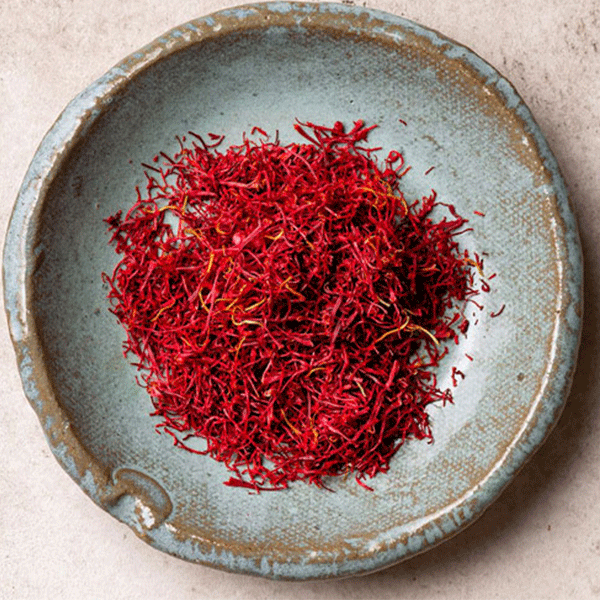
The Persians understood the agricultural mathematics of the crop. The sheer labor required is staggering, a ratio that remains unchanged today: 1kg of dried saffron ≈ 150,000 individual flowers .
History of saffron
Historical records show that Cyrus the Great dissolved saffron in his royal baths to heal battle wounds, relying on its anti-inflammatory properties. Furthermore, Persian weavers used it as a brilliant yellow dye for royal carpets, and priests used it as a ritual offering. When Alexander the Great conquered Persia, he was so taken by the Persian custom of saffron baths that he adopted the practice himself, effectively bridging the saffron traditions of Greece and Persia.
Saffron Culture and Facts: Uncover the timeless rituals, royal legacies, and chemical mastery that transformed a fragile bloom into the world’s most coveted botanical treasure.
Ancient Persia vs. Ancient Greece: A Historical Sourcing Comparison
| Feature | Ancient Greece (Minoan/Hellenic) | Ancient Persia (Achaemenid/Parthian) |
|---|---|---|
| Primary Use | Medicine, cosmetics, religious rituals. | Culinary luxury, textile dyes, royal baths. |
| Historical Evidence | Akrotiri frescoes (Santorini), writings of Hippocrates. | Records of Cyrus the Great, remnants in ancient Persian carpets. |
| Cultivation Strategy | Wild harvesting and small-scale cultivation. | Large-scale agricultural farming in specific arid terroirs (Khorasan). |
| Modern Descendant | Krokos Kozanis (PDO-certified Greek Saffron). | Persian Negin, Sargol, and Pushal saffron grades. |
Why History Matters for Today’s Buyers (The Sourcing Perspective)
As a product sourcing expert, I constantly see buyers making mistakes by treating all saffron as a homogenous commodity. It isn’t. The history detailed above directly dictates your purchasing decisions today.
If you are sourcing for a high-end restaurant looking for maximum crocin (color) and safranal (aroma) levels for culinary dishes, Persian saffron (specifically the Negin or Super Negin cuts) is your best bet. The agricultural expertise passed down since the Achaemenid era in the Khorasan region yields stigmas that are incredibly thick, deeply red, and culinarily potent.
Conversely, if you are sourcing for boutique health supplements, cosmetics, or artisanal European markets that demand strict traceable origins, Greek saffron (Krokos Kozanis) is highly prized. Cultivated in northern Greece, it carries a Protected Designation of Origin (PDO) from the European Union. It tends to have a slightly more delicate, earthy flavor profile, echoing its ancient roots as a botanical medicine.
How did the ancient uses of saffron in Greece and Persia influence modern grading systems?
In Ancient Persia, saffron was heavily used as a dye and culinary ingredient, which required massive amounts of pure, red stigmas. This focus on the purely red part of the thread evolved into today’s strict Persian grading system (Sargol and Negin), which separates the red stigma from the yellow style. Greece’s historical focus on the whole plant for medicinal use aligns with their modern harvesting, where Krokos Kozanis is often sold with a slightly different stigma-to-style ratio, offering a more holistic, earthy profile.
Records mentioned in this article
Frequently Asked Questions
The earliest visual evidence is the Minoan “Saffron Gatherers” fresco, discovered at the ancient site of Akrotiri on the Greek island of Santorini, dating back to approximately 1600 BCE.
Persian saffron, specifically the Negin grade, is prized for its thick, deep-red stigmas that deliver intense color and strong flavor for culinary use. Greek Krokos Kozanis offers a more delicate, earthy profile and is highly valued for its strict EU Protected Designation of Origin (PDO) traceability.
Steep a few threads in warm water. Authentic saffron will slowly release a vibrant, glowing yellow color while the threads remain red. If the water immediately turns red or the threads quickly lose their color and turn white, it is likely dyed corn silk or safflower.