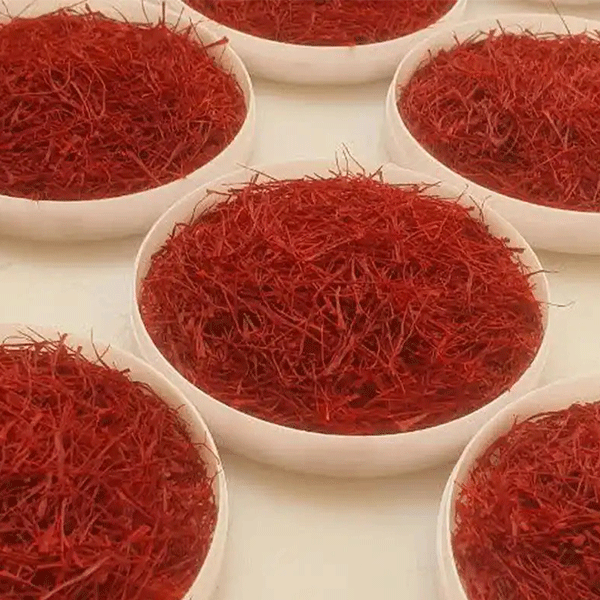
Real saffron offers an incredibly complex flavor profile—a delicate balance of earthy, sweet, and floral notes with a distinct honey-like aroma. However, its true taste is entirely dependent on how you prepare it and the authenticity of the threads you buy. Whether you are a home chef experimenting with paella or a business looking to source premium spices, understanding this flavor profile is your first line of defense against the counterfeit market.
If you ask ten different chefs to describe the taste of saffron, you might get ten slightly different answers. That’s because saffron doesn’t have a single, flat flavor like salt or chili powder. It plays on both your sense of taste and your sense of smell, creating an experience rather than just a flavor.
When I evaluate a fresh batch of premium saffron, these are the primary flavor notes that hit the palate:
Earthy and Musky: This is the foundational taste. It’s slightly grassy, reminding you of fresh hay or the earth after a light summer rain.
Sweet, but not Sugary: People often smell saffron and expect it to taste like candy because of its aroma. The flavor is slightly sweet, but it’s a nuanced, floral sweetness, not a syrupy one.
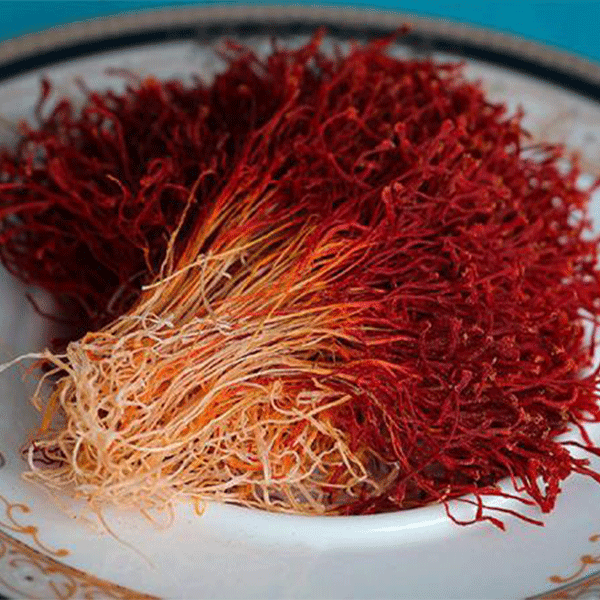
what does saffron taste like
Floral and Honey-like: The aroma heavily influences how you perceive the taste. Thanks to a natural compound called safranal, you get aromatic hints of raw honey and blooming flowers that translate directly into the flavor profile when infused in liquid.
A Touch of Bitterness: Authentic saffron has a very subtle, pleasant bitterness on the back of the tongue (caused by the compound picrocrocin).
The Golden Rule: Saffron should smell sweet, but it should never taste overly sweet. If you chew on a raw thread and it tastes like sugar, you’ve likely bought a counterfeit product dyed with red food coloring and sugar water.
Saffron Culture & Facts: The Taste of Saffron
Saffron vs. Common Substitutes
| Spice | Flavor Profile | Visual/Color Output | Best Used For |
|---|---|---|---|
| Real Saffron | Floral, earthy, complex, subtle honey aroma. | Vibrant, translucent golden-yellow. | Risotto, paella, premium teas, delicate desserts. |
| Turmeric | Warm, slightly bitter, peppery, earthy. No floral notes. | Opaque, bright yellow/orange. | Curries, marinades, hearty stews. |
| Safflower (Fake Saffron) | Completely flavorless to slightly metallic. | Pale yellow to weak orange. | Adding basic color when flavor doesn’t matter. |
Why Does My Saffron Taste Bitter, Metallic, or Like Medicine?
If your dish ends up tasting like a hospital ward or burnt plastic, one of two things went wrong.
First, you might have used too much. Because it is the world’s most expensive spice, people naturally assume “more is better” to get their money’s worth. This is a massive mistake. Using more than a small pinch (about 3 to 5 threads per person) will completely overpower the dish with an astringent, medicinal bitterness.
Second, you might have bought fake saffron. The market is unfortunately flooded with corn silk, safflower, or dyed paper meant to look like saffron. If it tastes like plastic or chemicals, throw it away immediately—it’s not safe to consume.
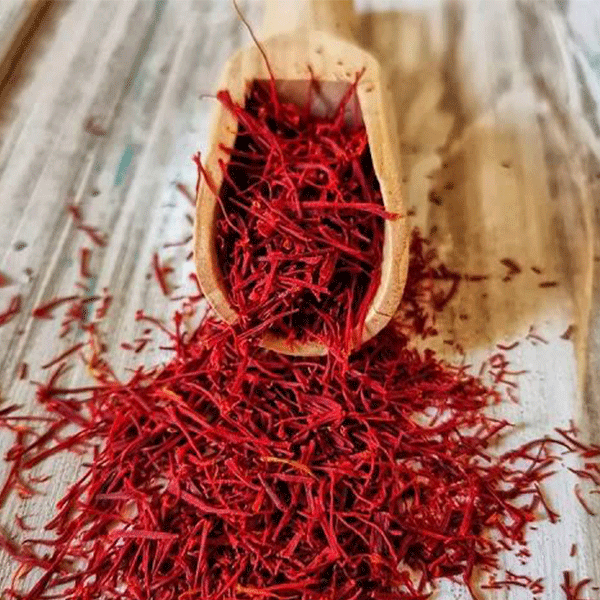
what does saffron taste like
How to Unlock the True Flavor (The Ice Brewing Method)
You can’t just throw dry saffron threads into a hot pan. Heat kills the delicate essential oils. To get that perfect, authentic taste, you need to “bloom” it.
While many people use warm water, my favorite method is the ice technique. Grind a few threads into a fine powder, place it in a small glass, and add an ice cube. As the ice melts at room temperature, it gently coaxes the color and flavor out of the saffron without shocking the essential oils. The result is a profoundly aromatic, bright golden liquid ready to elevate your dish.
Records mentioned in this article
Frequently Asked Questions
No, saffron is not spicy at all. It does not contain capsaicin and brings zero heat to a dish. Instead, it offers a warm, earthy, and aromatic depth.
Not even close. While they are often substituted for one another purely for the yellow color they provide, turmeric is peppery and heavily earthy, whereas saffron is delicate, floral, and slightly sweet.
Place a single thread on your tongue. Real saffron will taste slightly bitter and earthy, while its aroma will smell like sweet honey. If the thread tastes sweet like sugar, it is counterfeit.