The first time you negotiate a clove purchase, the conversation can feel like it’s happening in a different language. A supplier says “HPS, 15% oil, FOB, 20-foot FCL,” and the quote lands in your inbox before you’ve worked out whether you’re paying for quality or for confusion. This glossary exists to close that gap. It collects the most important clove trade terms in one place, explains each in plain language, and adds the practical context that only comes from handling real shipments. If you want to understand where the spice itself comes from before diving into vocabulary, start with the clove record, then return here to learn how the trade talks about it.
Read the terms in order, or jump to the section you need: grading, oil and quality, shipping and payment, and customs and compliance.
Part 1: Grade Terms
Grading is where most price differences are born, so it’s the first place buyers should build confidence. Two lots can look similar in a photo and still differ by a wide margin in oil content, cleanliness, and shelf life.
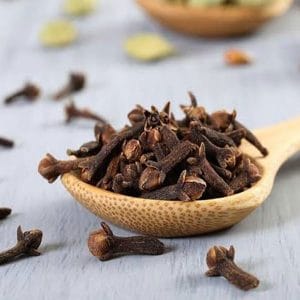
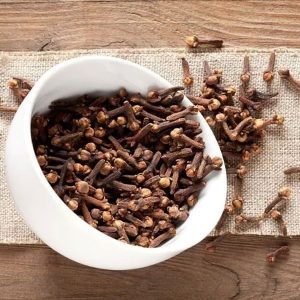
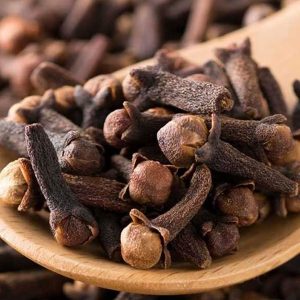
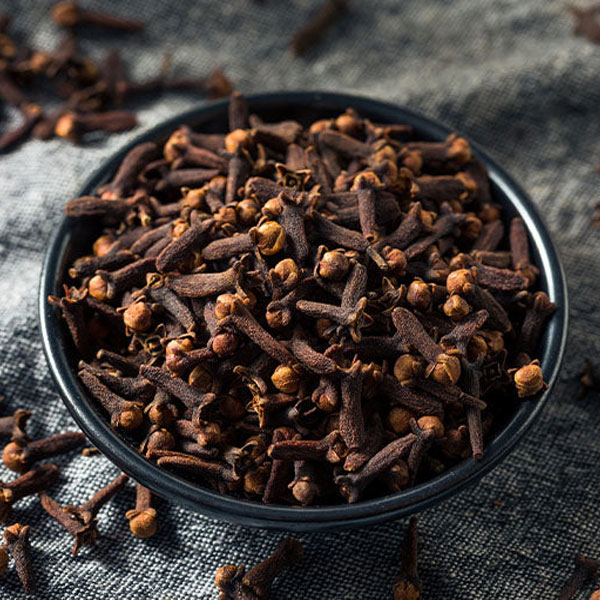
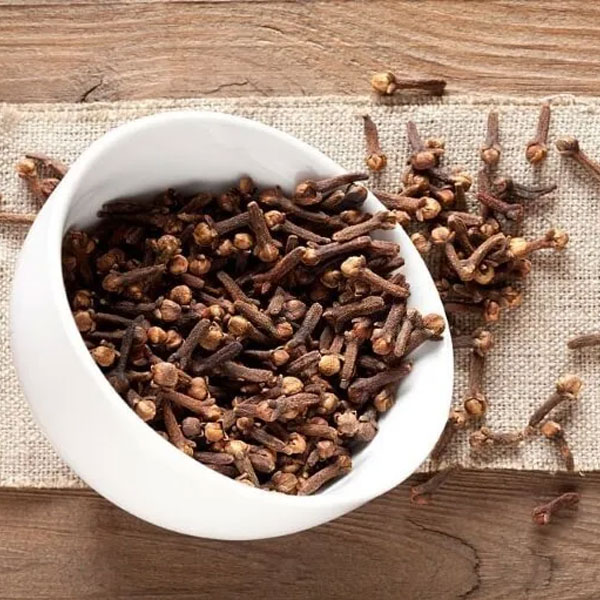
HPS (Handpicked Selected): The top commercial quality, made of whole, well-formed cloves with very few stems, headless pieces, or foreign matter.
Grade 1 / Grade 2: Descending quality tiers set by the supplier or origin, usually reflecting how clean and uniform the lot is; always ask for the written specification, because definitions vary between exporters.
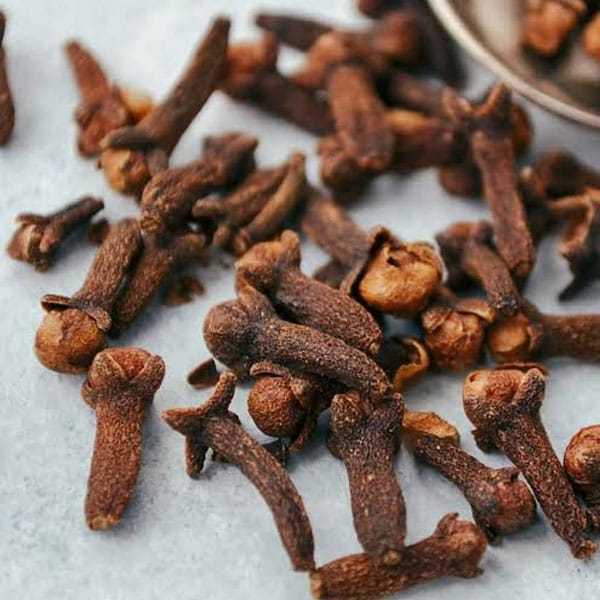
Headless cloves: Cloves that have lost their rounded top (the “bud”), which is where much of the aroma sits, so a high share lowers both quality and price.
clove trade terms
Stems: The thin stalks that hold the buds; a small amount is normal, but a high stem percentage is a common way to dilute a lot.
Khoker: The matured, swollen fruit of the clove tree (sometimes called “mother of cloves”), which is weaker in aroma and counts as an impurity in standard cloves.
Admixture / extraneous matter: Anything that isn’t clove, such as dust, twigs, or other plant material, usually limited to a small percentage in the contract.
Moisture content: The water remaining in the dried spice, typically capped at around 12% because excess moisture invites mold and weight fraud.
A practical tip from the field: never accept a grade name alone. Ask for the percentages of stems, headless cloves, and khoker, and have them written into the purchase agreement. For a closer look at how each tier is judged and how to inspect a sample yourself, see grades in detail.
Part 2: Oil and Quality Terms
Cloves are valued largely for their essential oil, so oil-related vocabulary shows up in almost every spec sheet.
Volatile oil content: The percentage of aromatic oil in the spice by weight, commonly quoted at a minimum of roughly 15 to 17% for good whole cloves, and a key quality indicator.
Eugenol: The main aromatic compound in clove oil, responsible for the warm, sharp scent and much of the spice’s flavor and preservative power.
Bud oil, leaf oil, stem oil: The three products distilled from different parts of the tree, each with its own eugenol level, aroma, and price; the differences matter if you buy oil rather than whole spice, and they are covered in the three oils.
clove trade terms
Essential oil vs. oleoresin: Essential oil is steam-distilled and thin, while oleoresin is a solvent-extracted, thicker concentrate that carries both aroma and non-volatile flavor compounds.
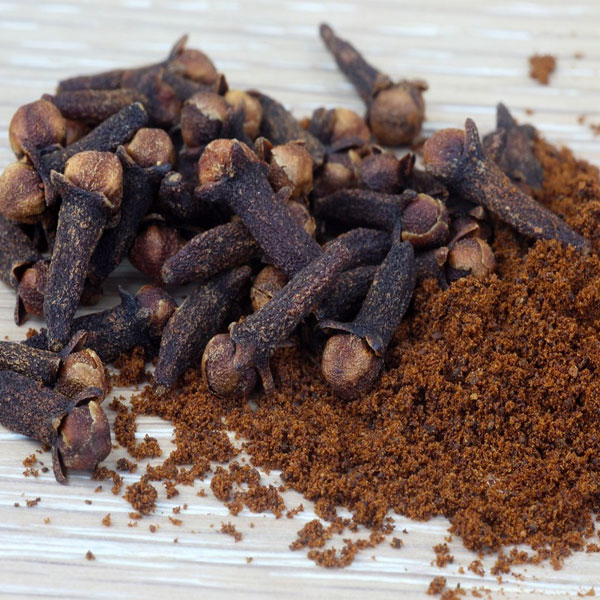
Ground clove: Milled whole clove, which loses aroma much faster than whole spice; most professional buyers purchase whole and grind close to use.
Cleanliness standard (e.g., ASTA): A benchmark for permitted levels of insects, mold, and foreign matter, often referenced when selling into food manufacturing.
A buyer’s habit worth adopting: request a certificate of analysis (COA) for oil content on every lot, and compare it with your own sample test. Numbers on paper are only as good as the lot that actually ships.
Part 3: Shipping and Payment Terms
Even perfect cloves can become an expensive disappointment if the shipping terms are unclear. These are the terms that decide who pays for what, and when risk moves from seller to buyer.
FOB (Free on Board): The seller delivers the goods onto the vessel at the origin port; from that moment, cost and risk pass to you.
CFR (Cost and Freight): The seller pays freight to your destination port, but risk still transfers once the goods are loaded.
CIF (Cost, Insurance and Freight): Like CFR, with the seller also arranging minimum insurance, which is convenient but often covers less than buyers assume.
FCL / LCL: Full Container Load means one buyer fills the container, while Less than Container Load means your goods share space with others; FCL is cheaper per kilo and safer for aromatic spices.
MOQ (Minimum Order Quantity): The smallest quantity a supplier will sell, often a full container or a fixed number of bags.
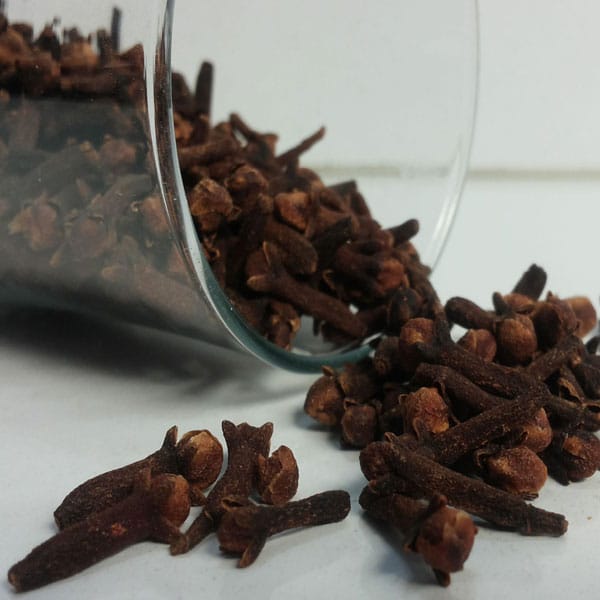
Packing: Cloves usually travel in jute or polypropylene bags of 25 to 50 kg; ask about liners and moisture protection, since clove absorbs humidity easily.
clove trade terms
Bill of Lading (B/L): The carrier’s document that serves as a receipt, a transport contract, and often the key to claiming cargo at the destination.
L/C (Letter of Credit): A bank-backed payment method that releases money to the seller only when the agreed documents are presented, protecting both sides on first orders.
Fumigation certificate: Proof that the cargo was treated against pests, which some destination countries require before they allow entry.
A lesson that experienced importers repeat: compare quotes on the same incoterm. A low FOB price can easily end up above a higher CIF price once freight and insurance are added, so line them up before deciding.
Part 4: Customs and Compliance Terms
This is the section that quietly decides whether your container clears in two days or sits in port for two weeks.
HS code: The international product classification number that customs authorities use to apply duties and rules; whole cloves generally fall under heading 0907, with a separate subheading for crushed or ground, and clove essential oil is classified elsewhere in the essential oils chapter. The exact national code and duty rate depend on your country, so confirm them before ordering. The full breakdown is in the customs code.
Certificate of Origin: A document stating where the cloves were grown or processed, used to claim reduced duties under trade agreements.
Phytosanitary certificate: An official plant-health document issued by the exporting country, confirming that the shipment meets the importer’s pest and disease requirements.
MRL (Maximum Residue Limit): The highest amount of pesticide residue legally allowed in food; exceeding it can lead to rejection or destruction of the shipment.
Aflatoxin and mycotoxin testing: Laboratory checks for mold-produced toxins, increasingly requested by food-safety authorities for spices.
Commercial invoice and packing list: The two core documents customs reads first; any mismatch between them and the actual cargo is a common reason for inspection delays.
Duty and VAT/GST: Import duty is charged on the declared value, and consumption tax is typically calculated on top of it, so budget for both.
Traceability / lot number: A record linking your bags to a harvest, origin, and processor, which helps in a quality dispute or recall.
clove trade terms
How to Use These Terms in a Real Negotiation
Knowing the words is useful, but using them in the right order is what protects your money. A sensible sequence looks like this. First, define the grade in writing, with the percentage limits for stems, headless cloves, khoker, and moisture. Second, set the oil and cleanliness requirements and request a COA. Third, agree on the incoterm and payment method. Finally, confirm the documents required by your customs authority and ask the supplier to prepare them before loading. Buyers who follow this order spend less time fixing problems and more time building reliable supplier relationships.
The clove market rewards buyers who ask precise questions. With this glossary in hand, you can read a quotation line by line, spot vague specifications, and compare suppliers fairly. Bookmark this page, keep the terms next to your next purchase order, and use the linked guides when you need more depth on any single topic.
Records mentioned in this article

Frequently Asked Questions
Grade, because it determines price, quality, and what you actually receive, but only when backed by written percentages rather than a name alone.
With FOB, you arrange and pay for shipping from the origin port; with CIF, the seller covers freight and basic insurance to your destination port.
Good whole cloves generally contain roughly 15 to 17% volatile oil or more, though you should always set the minimum in your contract and verify it with a lab test.