When someone quotes you a price on cloves, the number on the invoice is rarely the whole story. Two bags can look nearly identical on a table and still sit at very different price points. The reason is almost always grade. Understanding clove grades and quality is the difference between paying for spice and paying for stems, moisture, and wishful labeling. If you want the bigger picture of why what makes one lot cost more comes down to far more than origin alone, that context helps, and for the full profile of the spice itself, the clove record is a good reference to keep open next to this guide.
What a “Grade” Really Means in the Clove Trade
A grade is not a government stamp or a universal standard that every seller follows in the same way. It is a shorthand that describes how clean, how complete, and how dry a lot is. Different suppliers, countries, and brokers use their own wording, so two sellers can both say “premium” and mean different things. That is why you should treat the grade name as a starting point for questions, never as the answer.
In practice, what you are buying is a combination of four things: how many buds are whole, how much non-bud material is mixed in, how dry the lot is, and how it was handled before it reached you. Each of these changes the flavor you get in the kitchen, the shelf life in your storeroom, and the real cost per usable gram.
clove grades quality
The Four Terms You Will Hear Again and Again
Hand-picked
Hand-picked means the flower buds were harvested by people, bud by bud or cluster by cluster, rather than stripped from branches in bulk. The reasoning is simple. A person can judge when a bud has reached the right stage, which is typically when it has developed fully but has not yet opened into a flower. A rough or mechanical harvest tends to bring in more leaves, twigs, and buds at the wrong stage.
When you see “hand-picked” on a spec sheet, read it as a claim about harvest method, not a guarantee of quality on its own. Careless drying or storage can still ruin a hand-picked lot. Ask what happened after picking, because that is where many problems begin.
Headless
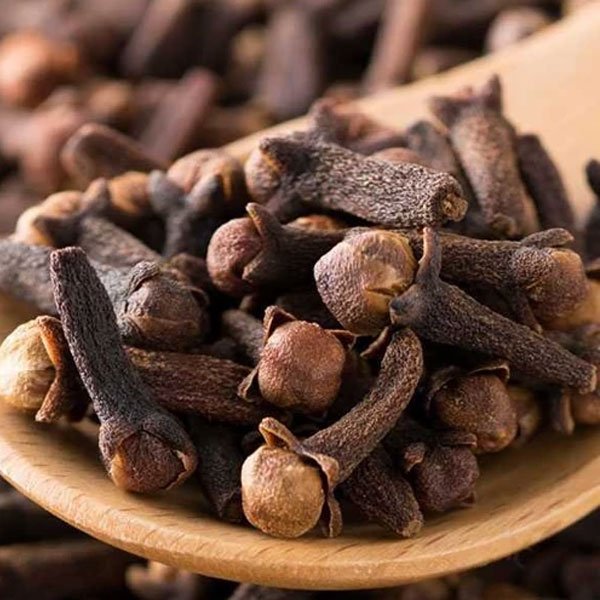
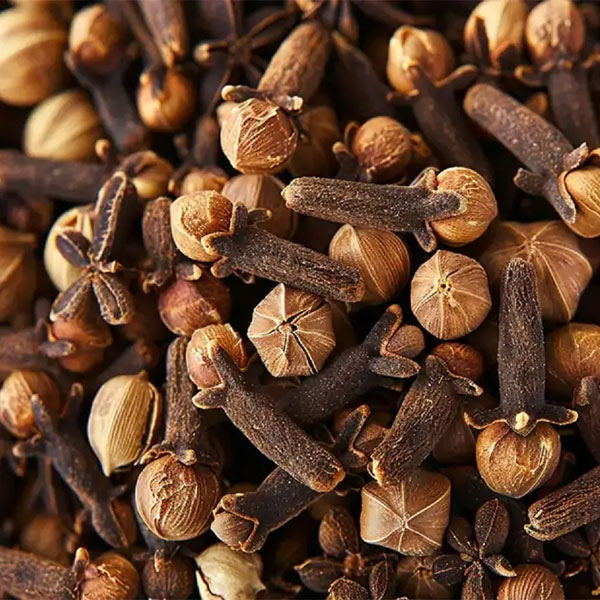
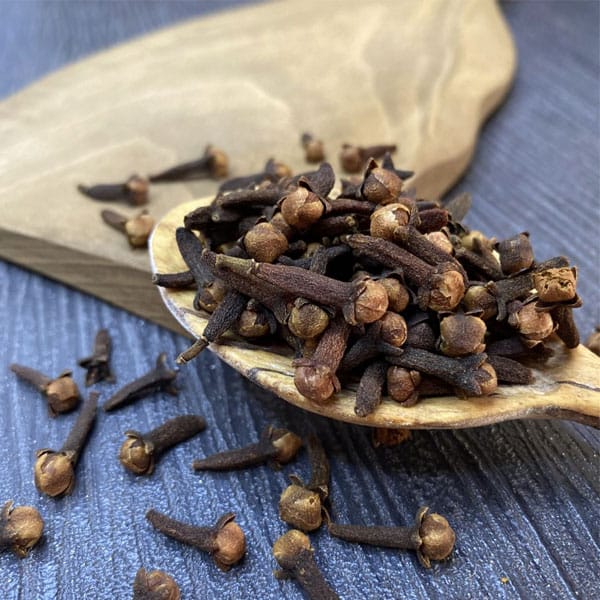
A clove bud has two visible parts: the slim stem-like body and the round “head” on top. Headless cloves are buds that have lost that round head, leaving only the narrow shaft. This usually happens through rough handling, over-drying, or age.
The head is where much of the character of the spice lives, so a headless clove is generally a weaker, less attractive product. When you scoop a handful from a sample and notice many pieces that look like tiny nails with nothing on top, you are looking at headless material. A small amount is normal in any natural product. A large share tells you the lot was handled roughly or has been sitting for a long time.
Stem content
Stem content describes how much of the lot is made up of the small stalks that connect buds to the branch, rather than the buds themselves. Stems are not useless, since they carry some aroma, but they are weaker than buds and they are not what most buyers think they are paying for.
Here is the practical angle. If a lot has more stem in it, you are paying a bud price for a portion that does not deliver bud performance. I am not giving a figure here because acceptable levels differ by supplier, contract, and market, and I would rather not hand you a number that no one has agreed on. What matters is that you ask for the stem content in writing and compare it between offers.
clove grades quality
Moisture
Moisture is the water remaining in the cloves after drying. It matters for two reasons. First, water has weight, so wetter cloves mean you are paying for water by the kilo. Second, excess moisture invites mold and speeds up the loss of aroma during storage.
Properly dried cloves feel firm and snap rather than bend. A clove that feels slightly soft or leathery, or a bag that smells musty instead of sharp and warm, deserves suspicion. As with stem content, I will not quote a number, because the acceptable level should come from your supplier’s specification and your own testing rather than a figure repeated from article to article.
What You Are Actually Paying For
Think of the price per kilo as a bundle. You are paying for usable buds, for the care taken in harvest and drying, and for the supplier’s willingness to sort and clean the lot. When a quote looks unusually low, one of those parts has usually been trimmed.
Here is how that shows up in real purchasing:
A cheaper lot with more stems and headless pieces may cost more per usable gram once you account for waste and the weaker flavor you will need to compensate for.
A lot with higher moisture loses weight as it dries in your warehouse, so the quantity you can actually sell or use shrinks.
A well-sorted, clean lot costs more at the start but behaves predictably, which saves time and removes surprises from your recipes or product runs.
The honest way to compare offers is to compare cost per usable unit, not cost per kilo as printed.
How to Inspect a Sample Like You Mean It
Before you commit to a large order, a handful of simple checks will tell you more than a glossy spec sheet.
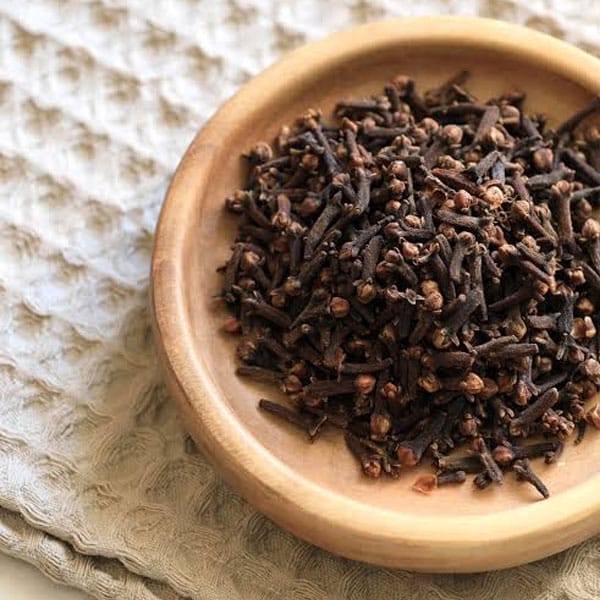
Look first, then smell. Spread a sample on a white plate under good light. You want a consistent dark brown color, plump heads, and very little debris. Then crush a bud between your fingers. A strong, sweet, warm, slightly numbing aroma is what you are after. A flat or dusty smell points to age or poor storage.
Sort a small portion by hand. Separate whole buds, headless pieces, and loose stems into three piles. You do not need a lab to see which pile is largest, and that quick sort is the most honest quality test available to a small buyer.
Do the snap test. A properly dried bud feels hard and breaks cleanly. If it bends, it is likely carrying too much moisture.
Do the water test, if you wish. Some buyers drop a few buds into a glass of water. Healthy, oil-rich buds tend to sink in an upright or slanted position, while exhausted ones float. It is not a laboratory method, but it is a useful hint when paired with the other checks.
Ask for the paperwork. Request the written specification, the origin, the harvest period, and the packing date. A supplier who answers quickly and clearly is usually a supplier whose product holds up.
clove grades quality
Whole Buds or Powder: Why the Form Changes the Conversation
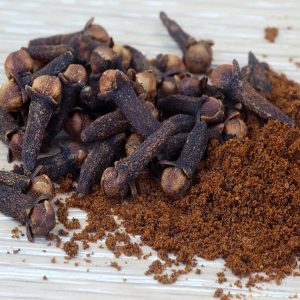
Everything above applies most directly to whole cloves, because that is where you can see the grade with your own eyes. Once the product is ground, the visual evidence disappears. Stems, headless pieces, and filler all blend into one uniform powder, and you lose your ability to judge by looking. This is why the choice of whole buds against powder is not only about convenience but also about trust and traceability.
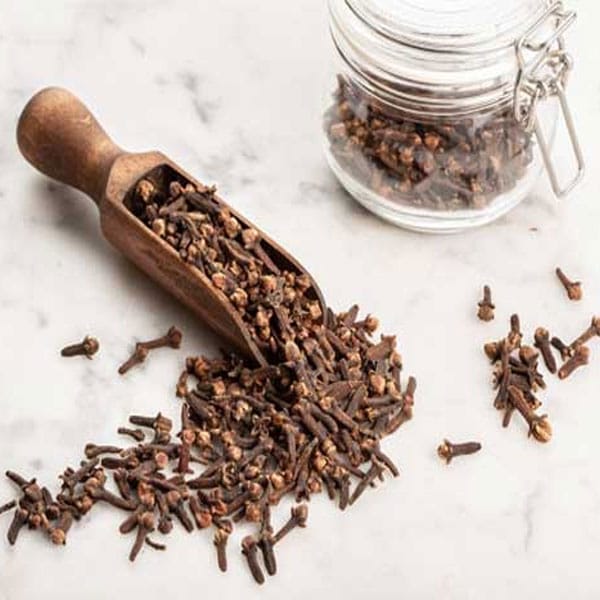
If you buy powder, you are relying entirely on the supplier’s honesty and testing. If you buy whole buds, you keep control, and you can grind them yourself just before use for a fresher, stronger result. Ground clove also loses its aroma faster than the whole bud, which is another reason many experienced cooks and buyers keep whole cloves on hand and grind in small batches.
Common Mistakes Buyers Make
Trusting the word “premium.” It has no fixed meaning. Always ask what specifically makes the lot premium.
Buying on price alone. A bargain that arrives full of stems and moisture is not a bargain.
Skipping the sample. It takes a few minutes to inspect a sample, and it can save you from a very expensive container of disappointment.
Ignoring storage. Even an excellent lot degrades if it is kept warm, damp, or open to air. Store cloves in a sealed container away from heat and light.
Comparing offers without matching terms. If one quote is for a hand-picked, low-stem lot and another is for a general run, they are different products, and the price gap is the explanation, not an insult.
clove grades quality
A Simple Checklist Before You Buy
Is the harvest method stated (hand-picked or not)?
What proportion of the lot is headless?
What is the stem content, in writing?
What is the moisture level, and how was it measured?
When was it harvested and packed?
Can you receive a sample that matches the shipment?
If a seller can answer all six without hesitation, you are probably dealing with someone who knows the product.
Clove grades and quality come down to a handful of observable facts: whole, plump buds, minimal stems, firm and properly dried material, and honest handling from harvest to shipment. The label on the bag matters far less than what you find when you pour it onto a plate. Learn to read those four terms, hand-picked, headless, stem content, and moisture, and you will know exactly what you are paying for and, just as importantly, what you are not.
Records mentioned in this article

Frequently Asked Questions
A grade is not a single universal standard. It is a way of describing how many buds are whole, how much stem and debris is mixed in, and how dry the lot is. That is why two sellers can both say "premium" and mean different things.
If the lot has a high share of stems, headless pieces, or moisture, part of what you are paying for is not usable. The fair comparison is cost per usable gram, not cost per kilo.
Spread a sample on a white plate, smell it, sort a small portion by hand into whole buds, headless pieces, and stems, do the snap test, and ask for the written specification, harvest period, and packing date.