If you open your spice cabinet and find a small jar of whole cloves, there is a good chance those dried buds began their life in Indonesia. The country is by far the largest clove grower on the planet. Here is the part that surprises almost everyone: Indonesia sends only about 10 to 15 percent of its harvest abroad. The rest never leaves the archipelago.
That is the heart of the story behind Indonesia clove production and export, and it explains why a spice that looks so ordinary can behave so strangely on the world market. In this guide, I’ll walk you through what is actually happening, why it matters if you cook, trade, import, or just buy spices, and how to make smarter decisions because of it.
Indonesia Is the World’s Clove Giant, and It Isn’t Even Close
Depending on the year and the source, Indonesia produces somewhere around two thirds to three quarters of the world’s cloves. In a normal season that means well over 100,000 tonnes of dried flower buds, picked by hand from trees scattered across Sulawesi, Maluku, Java, Sumatra, and other islands.
The next producers are far behind. Madagascar, Tanzania (especially Zanzibar), the Comoros, and Sri Lanka all grow cloves at a meaningful scale, but each contributes only a fraction of Indonesia’s volume. If cloves were an Olympic event, Indonesia would win by a distance that makes the podium look like an afterthought.
You would expect a country with that kind of dominance to also dominate exports. That is how it works for palm oil, coffee, or cocoa. Cloves break the pattern completely.
indonesia clove production export
The Fact Most People Miss: Only a Small Share Gets Exported
Here is the number to remember. Indonesia exports roughly 10 to 15 percent of the cloves it grows. The remaining 85 to 90 percent is consumed at home.
Think about what that means for the global trade. The cloves that reach spice shops in Europe, North America, the Middle East, and South Asia come mostly from the thin slice Indonesia chooses to export, plus the crops of the smaller producers. The world’s supply is not really a reflection of how many cloves exist. It is a reflection of how many cloves one country is willing to let go.
If you want the full numbers laid out in one place, the clove record is the page I would start with, since it collects the production and export percentages in a single view.
The Twist: Indonesia Sometimes Has to Import Cloves
It gets stranger. In some years, the world’s biggest clove grower becomes a clove importer.
When Indonesian harvests fall short, which happens because clove trees are famously moody, domestic demand does not politely shrink to match. Factories and traders still need cloves, so Indonesia buys them from Madagascar and Zanzibar to fill the gap.
Picture how odd that is for a moment. A country that supplies most of the world’s cloves is, in a bad season, standing in the same market as everyone else, bidding for the crop of smaller producers on the other side of the Indian Ocean.
For anyone who buys or sells spices, this is one of the most useful things to understand. A poor Indonesian harvest does not only affect Indonesia. It pulls Madagascar and Zanzibar cloves toward Southeast Asia, leaving less for everybody else and pushing prices up. If you ever wondered why a jar of cloves cost noticeably more one year than the last, the price of cloves is a good companion read on how those swings reach shop shelves.
So Why Does Indonesia Keep Almost Everything for Itself?
The short answer is that the clove is not mainly a kitchen spice in Indonesia. It is an industrial ingredient. The overwhelming majority of the national harvest is absorbed by one domestic industry,why kretek swallows the harvest, which uses cloves as a defining ingredient in a distinctive local product. I’m only pointing to it here, because the full explanation deserves its own space.
What matters for you as a reader is the consequence. Domestic demand is so large and so steady that Indonesian buyers can absorb nearly everything the trees produce. Exporters are left competing for what remains, which is why the export share stays small even though total production is enormous.
indonesia clove production export
How Cloves Became a Global Obsession
To understand why this imbalance feels so unusual, it helps to remember where cloves come from. The tree is native to a handful of tiny volcanic islands in eastern Indonesia, and for centuries those islands were the only place on Earth where cloves grew. where the tree is native explains that origin story and the geography behind it.
For a long time, whoever controlled those islands controlled the world’s supply. European powers fought over them, and the Dutch went as far as destroying trees outside tightly controlled areas to keep the spice scarce and expensive. Eventually, seedlings were carried out of the region and planted elsewhere, including the islands off East Africa. That is how Zanzibar and Madagascar became clove producers at all.
So the present situation has a certain irony. For centuries the world fought to take cloves out of Indonesia. Today, Indonesia keeps most of them at home.
What This Means for You in Practice
Knowing the story is interesting. Knowing how to use it is better. Here is how the Indonesian clove paradox plays out for different kinds of readers.
If you cook or bake
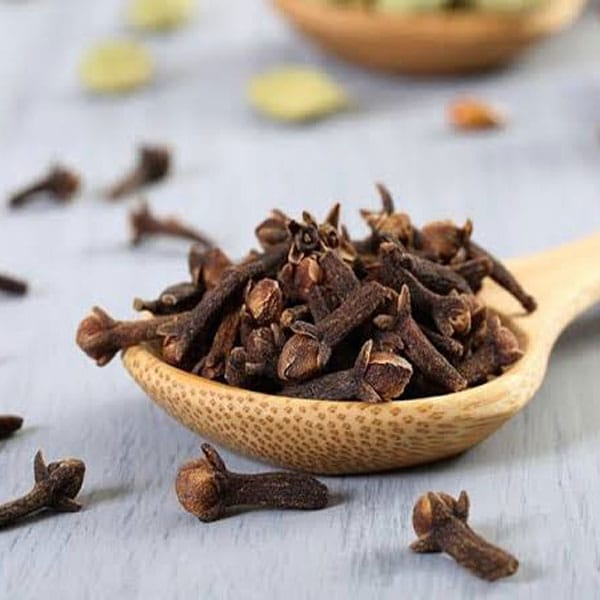
Whole cloves are potent. A few buds will flavor a pot of rice, a mulled drink, a ham glaze, or a batch of spiced cookies. Because supply is tight and prices can swing, buy whole cloves rather than ground when you can. Whole buds keep their aroma for far longer, and you can grind small amounts as needed.
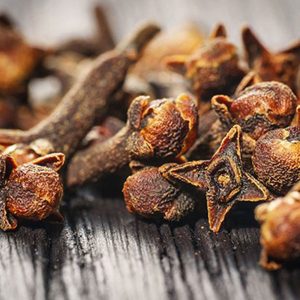
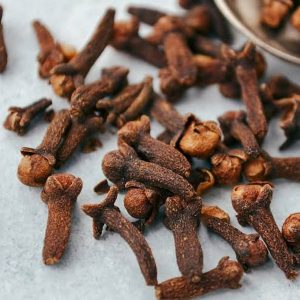
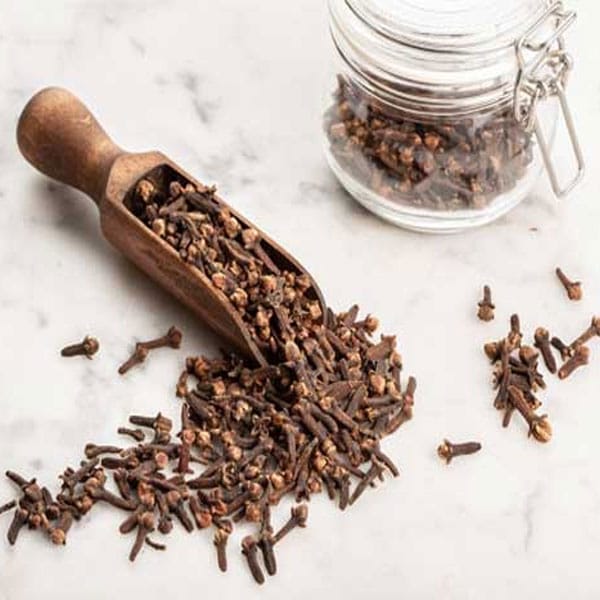
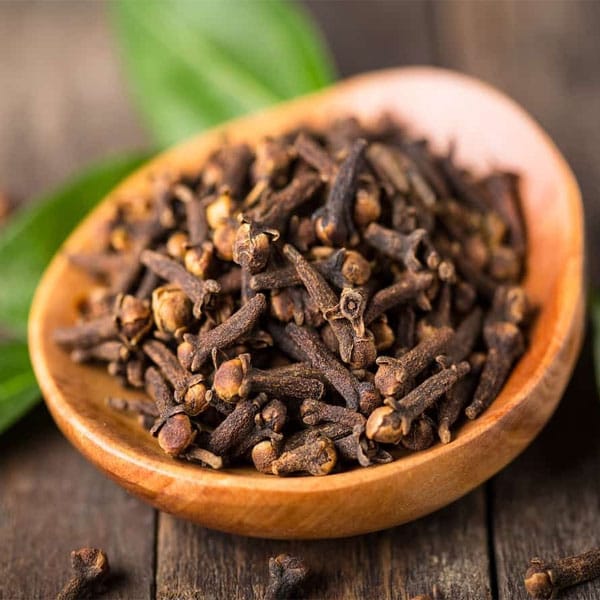
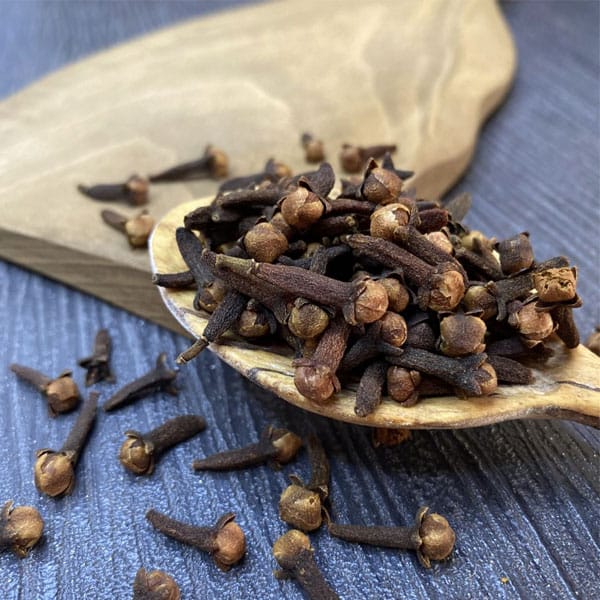
A simple quality check works well. Good cloves are dark reddish brown, plump, and fragrant when you press one with a fingernail. A healthy bud may even release a tiny bit of oil. If the buds look dusty, shriveled, or smell faint, they are old, and no amount of extra clove in the recipe will fix that.
If you buy spices for a shop or restaurant
Ask where your cloves come from, because origin shapes flavor. Indonesian cloves tend to be bright and sweet-warm, while cloves from Madagascar and Zanzibar are often described as stronger and more pungent. Neither is better in every situation. They simply suit different uses.
Also, keep an eye on Indonesian harvest news. When a poor crop is reported, expect prices for African cloves to rise as Indonesian buyers go shopping. Ordering earlier, before the market reacts, can save real money.
indonesia clove production export
If you import or trade
The small export share means you are working with a market that is thinner than its headline production suggests. A few large decisions inside Indonesia can move global prices quickly. Build relationships with more than one origin, keep some flexibility in your contracts, and avoid depending on a single supplier whenever possible.
If you are simply curious about food and where it comes from
This is a perfect example of why “biggest producer” and “biggest exporter” are two different questions. The next time you read that a country leads the world in growing something, ask what it does with the harvest. The answer is sometimes far more interesting than the ranking.
The idea of a country that grows the most cloves and exports almost none sounds like a riddle, but it is simply what happens when local demand outgrows the global market. Indonesia produces the spice on a scale nobody else can match, then uses nearly all of it at home. When harvests disappoint, it even turns to Africa to make up the difference.
For anyone who cooks with cloves, sells them, or trades them, the lesson is practical. Look past the production rankings, pay attention to where the supply actually goes, and watch the Indonesian harvest, because the price in your shop depends on it more than you might think.
Records mentioned in this article

Frequently Asked Questions
Yes. Indonesia grows the majority of the world's cloves, well ahead of Madagascar, Tanzania, the Comoros, and Sri Lanka.
Roughly 10 to 15 percent of the harvest. The rest stays inside the country.
Yes. In years when the domestic harvest is short, Indonesia buys cloves from Madagascar and Zanzibar to cover demand.