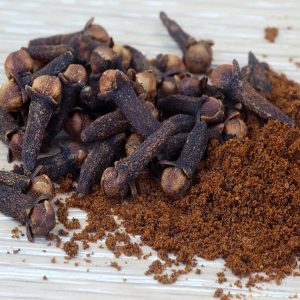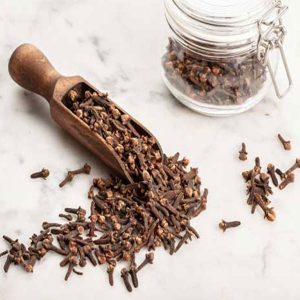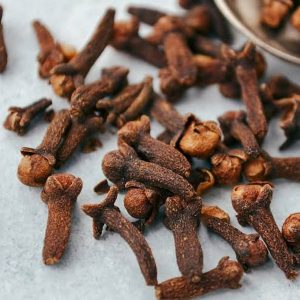
If you plan to buy cloves in bulk wholesale, you will find out quickly that the price per kilo tells you very little. Two containers can carry the same quoted price and still differ enormously in aroma, oil content, shelf life and resale value. Experienced importers learn this the hard way, usually after a shipment arrives smelling flat or showing visible mold. This guide is written to spare you that experience. It walks through the six checks that matter most before you commit money: origin, grade, moisture, volatile oil content, aroma and harvest year.
Why Bulk Clove Buying Is Different From Buying Samples
A small retail jar of cloves is forgiving. If the batch is a little old, you simply use a few more buds. A 10 or 20-ton order is not forgiving at all, because every weakness in the product is multiplied across the whole shipment. Your buyers will notice a weak aroma, your laboratory will notice low oil content, and your customs broker will notice documentation gaps at the worst possible moment.
The good news is that cloves are a stable, well-understood commodity. Most problems can be spotted before shipment if you know what to ask for and what to look at. The checklist below is built around that idea: verify first, pay later.
1. Origin: Know Where the Cloves Actually Come From
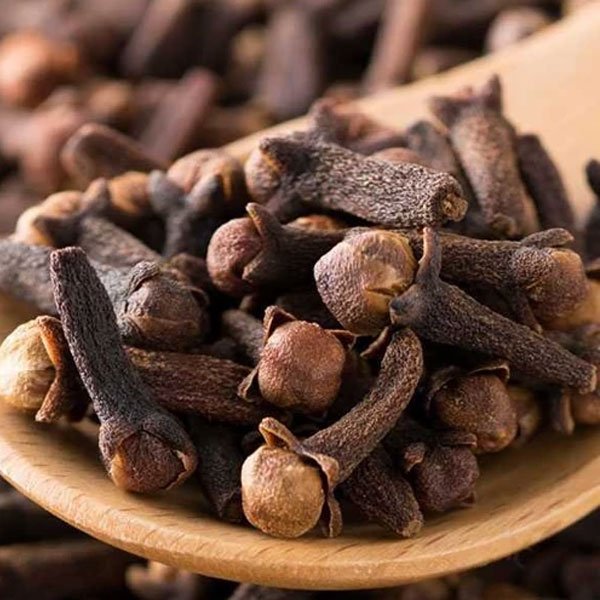
Origin shapes flavor, price and supply reliability. Indonesia is the largest producer and consumer, and much of its crop is absorbed by the domestic kretek cigarette industry, which affects how much is left for export. Madagascar, Zanzibar (Tanzania), the Comoros and Sri Lanka are the other names you will see most often in international trade.
clove bud oil vs leaf oil
In practice, buyers often describe Madagascar and Zanzibar cloves as strongly aromatic with high oil content, which makes them popular for spice grinding and oil extraction. Indonesian cloves can vary more by region and processing quality, so the supplier matters more than the country name. Whatever origin you choose, ask for a certificate of origin and confirm it matches the port of loading. A mismatch between the two is one of the most common early warning signs of a trader who is blending lots from different sources.
If you want a deeper background on how origin and supply chains work for this spice, the clove record is a good place to start before you contact suppliers.
2. Grade: Put the Standard in Writing
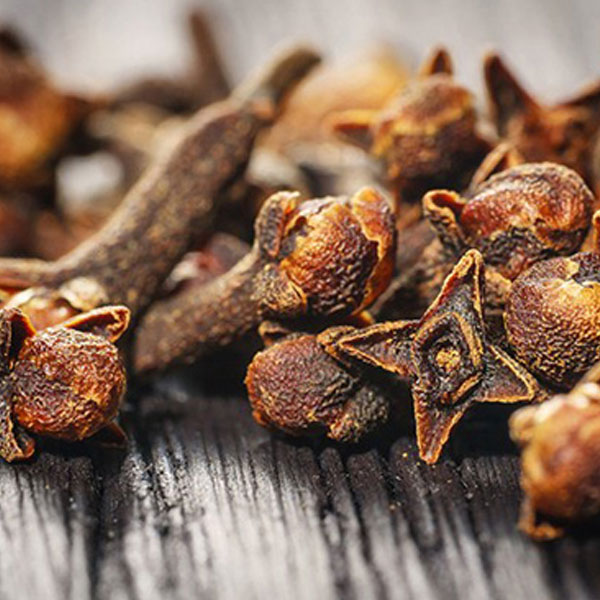
“Good quality” is not a specification. A grade is. Before you negotiate, define in writing what you are buying: the maximum percentage of headstalks (the small stems attached to the buds), the maximum percentage of khoker (the matured, swollen fruit of the clove tree, also called mother cloves), and the maximum percentage of foreign matter such as dust, stones and broken pieces.
Typical commercial specifications set tight limits on all three, but the exact numbers vary by buyer, market and intended use. A grinder producing powder can accept a little more stem than a retailer selling whole cloves in premium packaging. Whichever limits you choose, make them a contractual term, not a verbal promise. For a full explanation of how these categories are defined and compared, read the grades before you finalize your purchase terms.
3. Moisture: The Number That Protects Your Shipment
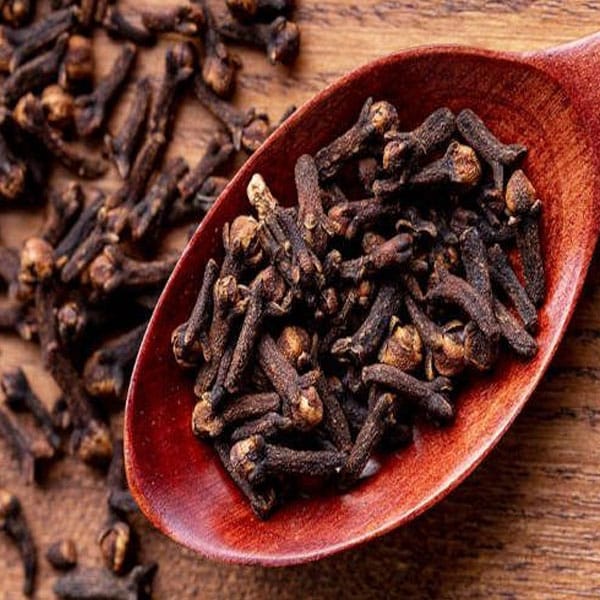
Moisture is the single most important number for storage and transport safety. Cloves that are not dried properly will develop mold, lose oil and spoil during a long sea journey in a hot container. Most buyers specify a maximum moisture level of around 12 percent, and many prefer lower for long voyages or humid destination ports.
Do not rely on the supplier’s word alone. Ask for a moisture test result from an independent lab, and compare it with a pre-shipment sample if possible. A simple field check also helps: properly dried cloves snap crisply when you bend the stem, while damp ones feel slightly soft or leathery. If you see white or greenish patches, dark spots or clumping, that is a rejection signal, not a negotiation point.
4. Volatile Oil Content: The Real Measure of Strength
The value of a clove lies in its essential oil, and the main active compound in that oil is eugenol. In a good clove, volatile oil content is commonly specified at 16 to 18 percent or higher, and the eugenol share of that oil is usually very high. This is what produces the warming, numbing, sharp quality that customers associate with clove.
Ask for a volatile oil test, typically done by steam distillation, and request a eugenol analysis if the cloves are destined for the pharmaceutical, dental or essential oil market. If a supplier refuses to share lab data or offers only a certificate from their own facility, treat that as a reason to slow down. Independent testing costs very little compared with the price of a rejected container.
clove bud oil vs leaf oil
5. Aroma: The Fastest Test You Can Do in Ten Seconds
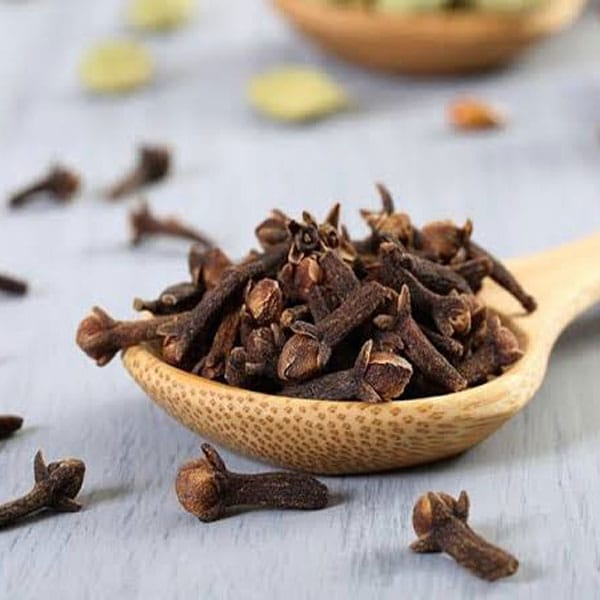
Before any lab report arrives, your nose can tell you a lot. Take a small handful of cloves, rub them between your palms to warm them, and smell deeply. A sharp, pungent, almost stinging aroma means the eugenol is intact and the cloves are fresh. That penetrating smell is exactly what you are paying for.
If the cloves smell weak, dusty or almost like nothing at all, they are old. Cloves lose their essential oil over time, especially when stored badly, and once that oil is gone the buds become little more than dried wood. Many experienced buyers use a second, quieter check as well: press a bud with your fingernail. In fresh cloves, a small drop of oil usually appears. In old stock, nothing comes out. Always smell samples from several different bags or cartons in the lot, not just the one the seller hands you.
6. Harvest Year: Ask Directly and Verify
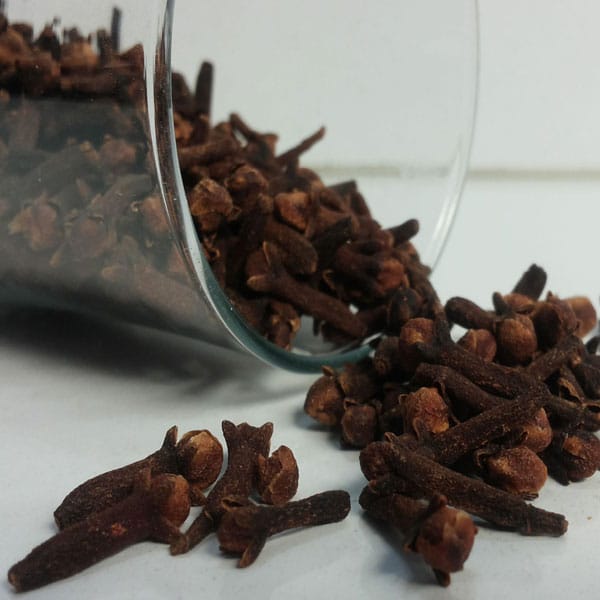
Harvest year is where inexperienced buyers get caught most often. Clove stock can sit in warehouses for a long time, and old crop is sometimes mixed with new crop or sold as new. Ask for the harvest season in writing, and cross-check it against the aroma, color and oil content of the sample. Fresh cloves are usually a rich reddish-brown, while very old ones turn pale or dark and brittle.
Timing matters for price too. Clove production swings from season to season, and some years bring heavy crops while others bring shortages. Because availability moves year to year, the same supplier can offer very different prices and volumes twelve months apart. Track the crop outlook in your main origin before you plan your purchase calendar, and avoid buying in a panic when supply is tight.
Documents and Compliance: Do Not Leave This for the Last Week
A good product can still be stopped at the border if the paperwork or residue profile is wrong. Before shipment, confirm that you will receive the following:
Certificate of origin
Phytosanitary certificate
Certificate of analysis covering moisture, volatile oil and foreign matter
Packing list and commercial invoice that match the contract
Test results for pesticide residues and mycotoxins where your market requires them
Import rules differ by country, and standards for residues and contaminants in the European Union, the United States, the Middle East and Asia are not identical. Check the requirements for your destination market early, and ask your supplier whether their product has already passed inspection in similar markets.
clove bud oil vs leaf oil
Packaging, Storage and Shipping
Cloves are usually packed in new jute or polypropylene bags, often 25 to 50 kilograms each, and loaded into standard containers. Ask for clean, dry, odor-free packaging and avoid used bags, which can carry moisture or contamination. During transit, heat and humidity are the main enemies, so request a container with proper ventilation or desiccant protection when the route is long.
At your warehouse, store cloves away from strong odors, because they absorb surrounding smells, and keep them off the floor and away from direct sunlight. Properly stored, whole cloves keep their quality for a long time, but the aroma slowly fades, which is why fresh crop always commands a premium.
How to Evaluate and Test a Supplier Before the First Big Order
Never begin with your largest order. A sensible sequence looks like this:
Request a sample drawn from the actual lot, not a hand-picked showpiece.
Test it independently for moisture, volatile oil and foreign matter.
Place a small trial order and inspect the shipment on arrival.
Use an independent inspection company at the port of loading for larger orders.
Scale up only after two or three consistent deliveries.
Pay attention to how the supplier behaves during this process. A reliable exporter answers technical questions clearly, shares lab data willingly and does not pressure you with “last chance” prices. Vague answers and constant urgency are common signs of trouble.
clove bud oil vs leaf oil
Quick Importer’s Checklist
Use this short version when you are comparing offers:
Origin: certificate of origin matches the loading port
Grade: limits for headstalks, khoker and foreign matter are written into the contract
Moisture: independently tested, around 12 percent or lower
Volatile oil: lab-verified, commonly 16 to 18 percent or higher
Aroma: sharp and pungent; weak or absent smell means old stock
Harvest year: confirmed in writing and consistent with the sample
Documents: phytosanitary certificate, certificate of analysis, and residue tests as required
Packaging: new, clean, dry and odor-free
Buying cloves in bulk is less about finding the cheapest offer and more about confirming that what you pay for is what arrives. Define the grade in writing, test moisture and oil independently, trust your nose, and verify the harvest year. If you follow this checklist on every order, you will avoid most of the costly surprises that catch importers off guard, and you will build supplier relationships based on proof rather than promises.
Records mentioned in this article

Frequently Asked Questions
Smell them first. Fresh cloves have a strong, sharp, penetrating aroma, and pressing a bud usually releases a little oil. If they smell weak or nearly odorless, they are old.
Many buyers specify a maximum of around 12 percent. Lower is safer for long shipping routes and humid climates.
Yes. Prices vary by origin, crop size, quality and demand, and they can shift noticeably from one season to the next.