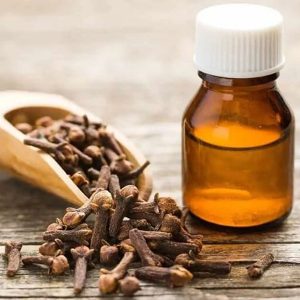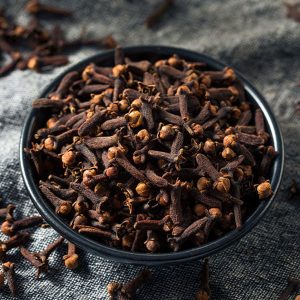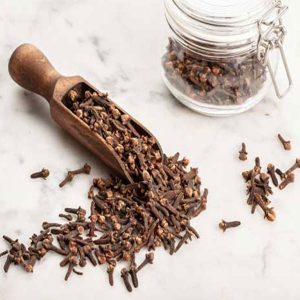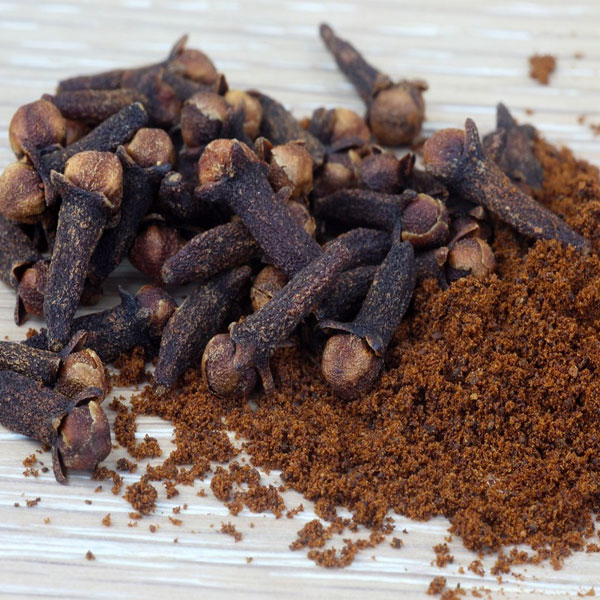
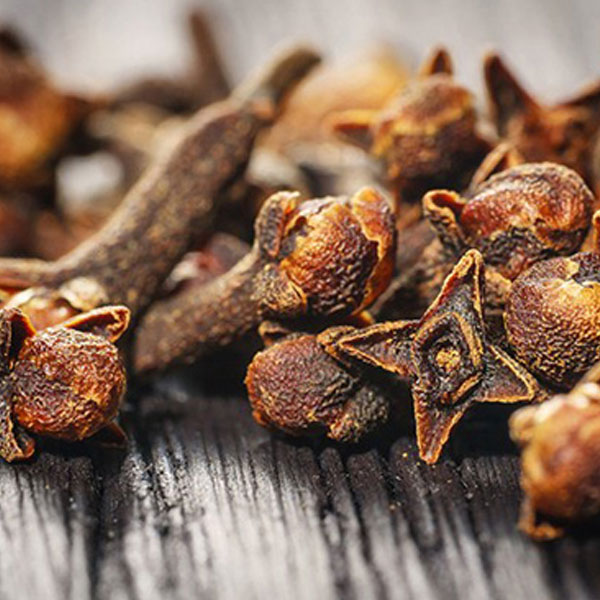
Open a jar of whole cloves and you are holding the dried, unopened flower buds of an evergreen tree, Syzygium aromaticum. Between that tree and your kitchen shelf lies one of the most hands-on journeys in the spice world. The clove supply chain depends on timing, weather, human judgment, and patient drying, and a mistake at any step shows up later as pale, brittle, or musty cloves. This guide walks through each stage the way growers and traders experience it, so you can understand what you are buying, or what you are selling.
For the full background on the spice itself, see the clove record.
Why the Clove Supply Chain Is Different
Most spices are harvested once and processed in bulk. Cloves are different because the buds ripen unevenly, so pickers return to the same tree several times in a season. Everything is done by hand, and the product is perishable until it is properly dried. A bud picked a few days too late has already begun to open into a flower, and its value drops sharply.
This is why the clove supply chain rewards experience. The people who handle the crop at each stage are making small judgment calls about color, moisture, and smell, and those calls add up to the quality you see in the jar.
clove supply chain
Stage 1: Picking the Buds
Harvest begins when the bud has grown to full size but is still closed. At this point it shifts from green to a light pinkish-red at the base. That color change is the signal pickers watch for. Wait too long and the petals begin to unfold, the oil content falls, and the bud is downgraded.
Because clove trees can be tall, pickers often use ladders or climb into the branches, working through clusters one by one. The buds are plucked by hand, never shaken down, since rough handling bruises them and bruised buds dry unevenly. A good picker also avoids breaking the small branches that will carry next season’s flowers.
Practical takeaway: If you source cloves directly, ask when the buds were picked relative to the color change. Early, correctly timed picking is the first sign of a good lot.
Stage 2: Separating and Cleaning
Once picked, the buds are still attached to their small stalks. Workers separate the buds from the stems by hand, usually in the shade near the plantation. This step matters more than it seems, because leftover stems add weight and moisture and can later cause mold. Buyers often penalize lots with too much stem content, and some cloves are sold specifically as “headless” or “stem” grades, which are different products.
At this point the buds are fresh, plump, and still carry a lot of water. They should be moved to drying quickly, because fermentation can begin in a sealed or crowded pile within hours.
Stage 3: Drying on Mats in the Sun
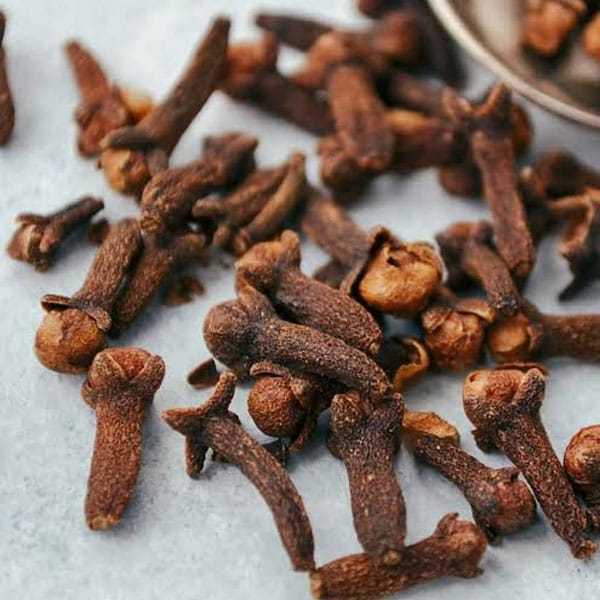
Drying is the stage that decides the final color, and it is where the clove supply chain is most visible to a visitor. Growers spread the buds in thin layers on woven mats, tarpaulins, or clean concrete floors and leave them in direct sunlight for several days, typically around three to five depending on weather.
Why on mats, and why in the sun?
Airflow and even drying. Mats let air reach the underside of the buds, while bare soil would add moisture and dirt.
Natural color development. Sunlight and gentle heat darken the buds slowly from pink to the deep reddish-brown buyers expect.
Low cost. Sun drying needs no fuel or equipment, which is why it remains standard across clove-growing regions.
clove supply chain
Workers turn the buds regularly so no side stays damp, and they bring the cloves under cover or cover them at night and when rain threatens. A single rainy spell at the wrong time can leave a batch patchy, moldy, or too dark.
The test growers use is simple and sensory. A properly dried clove snaps cleanly, feels hard, and has a strong, sharp aroma. A clove that bends or feels soft still holds too much moisture and will not store well.
Why the Final Color Matters So Much
Color is the first thing a buyer checks, because it tells a story about everything that happened earlier.
Even reddish-brown suggests good picking time and steady drying.
Very dark or blackish buds often point to over-drying, rain exposure, or slow, damp drying.
Pale or greyish buds can mean the cloves were picked too early or dried too fast.
Patchy color suggests uneven drying or mixed lots.
Color also affects price. Importers, repackers, and spice brands all use it as a shortcut for freshness and oil content, so a lot with a poor appearance is harder to sell even when the flavor is acceptable. That is why growers pay such close attention to drying, and why this stage gets so much attention in the clove supply chain.
Stage 4: Sorting and Grading
After drying, cloves are sorted by hand or with simple screens to remove stems, broken pieces, and foreign matter. Local collectors then grade them by size, color, cleanliness, and aroma. Many farms are small, so cloves from several growers are often gathered by village collectors and combined into larger, more consistent lots.
Moisture is checked at this stage too. Cloves that are sold too damp can overheat in storage, and mold risk rises quickly in humid climates. Reputable collectors test a sample, often by the snap and smell test, before accepting a delivery.
Stage 5: Collection, Export, and Trade
Clove production is concentrated in a handful of tropical regions, and each has its own harvest rhythm, flavor profile, and trade routes. If you want to see how these origins compare and why they matter to buyers, read about the exporting origins, which covers Madagascar and Tanzania in detail.
clove supply chain
From the collectors, cloves move to regional exporters and trading houses. They are sampled again, often tested for moisture and volatile oil content, then bagged, labeled by lot, and shipped by container to importers around the world. Clean paperwork, consistent grading, and honest lot descriptions all keep this stage smooth. Delays at port, especially in humid conditions, can undo careful drying, which is why good exporters pay close attention to packaging and container conditions.
Stage 6: Importers, Packers, and the Spice Jar
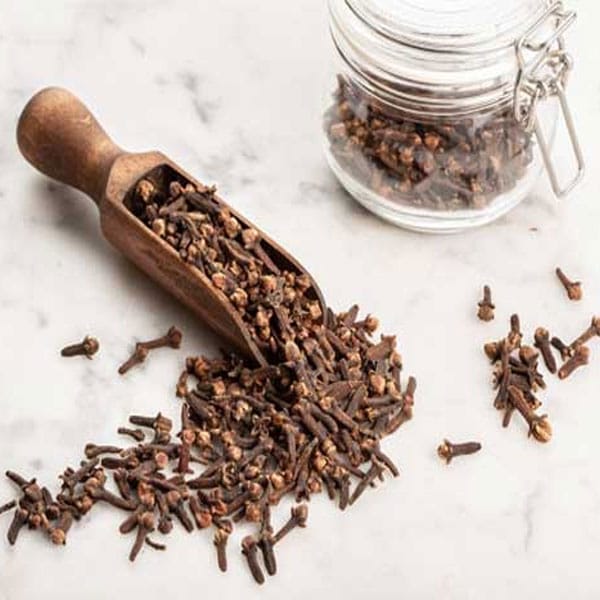
At the destination, importers receive the lots and may clean, re-grade, and sometimes steam-sterilize the cloves to meet food-safety standards. Packers then divide the bulk into retail sizes: whole cloves in jars and pouches, or ground cloves, which lose their aroma faster and depend even more on fresh, high-quality raw material.
Spice companies often blend lots from different origins to keep a consistent flavor year after year. By the time cloves reach a supermarket shelf, they have changed hands many times, and the weeks or months spent in transit and storage are part of their story. That is why a clove’s date and storage conditions matter as much as its origin.
How to Judge Quality When You Buy
Whether you are stocking a home pantry or sourcing by the container, the same basic checks apply.
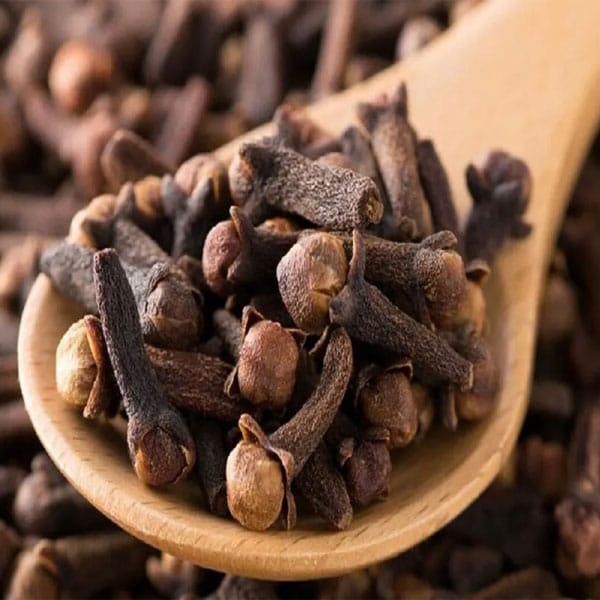
1. Look at the color. Aim for an even reddish-brown without white mold or dark patches.
2. Check the shape. Whole buds with a rounded head and intact petals are a good sign.
3. Smell them. The aroma should be sharp, warm, and clean, not dusty or musty.
4. Do the press test. Pressing a clove with a fingernail should release a trace of oil.
5. Ask about storage. Cloves should be kept sealed, dry, and away from heat and light.
If you are buying in volume, what a buyer checks lays out the full inspection routine, from sampling to documentation.
clove supply chain
Common Problems in the Clove Supply Chain
Weather risk. Rain during drying is the most common cause of quality loss.
Mixed lots. Combining different pickings can hide inconsistency until the buyer opens the bag.
Moisture and mold. Packing before the cloves are fully dry creates problems that appear weeks later.
Adulteration. Stems or exhausted cloves, from which the oil has been removed, are sometimes mixed in, so traceable sourcing and testing help.
Slow shipping. Long waits in humid ports can reduce aroma and quality.
The clove supply chain is a chain of small, careful decisions: picking the bud at the right color, separating it cleanly, drying it patiently on mats in the sun, and protecting it through grading, export, and packing. When each of those steps is done well, the result is a jar of cloves that smell strong, look uniform, and stay fresh. When any step is rushed, you can see and smell the difference.
Records mentioned in this article

Frequently Asked Questions
Mats let air reach all sides of the buds, keep them off damp soil, and allow slow, even drying. The sunlight also develops the deep reddish-brown color buyers expect, and it costs almost nothing.
Drying usually takes about three to five days, depending on the weather. A properly dried clove feels hard, snaps cleanly instead of bending, and has a strong, sharp aroma.
Color tells buyers how the cloves were picked and dried. Even reddish-brown suggests good timing and steady drying, while very dark, pale, or patchy buds point to over-drying, rain exposure, early picking, or uneven drying. It directly affects price and how easily a lot sells.