The first time you read a cinnamon invoice, it can feel like a foreign language. You see “Alba,” “C5,” “FOB,” “HS 0906” and “phytosanitary certificate” in the space of three lines, and you are expected to approve a payment worth thousands of dollars. Most buyers nod along and hope for the best, which is exactly how people end up paying Ceylon prices for cassia or receiving broken quills when they ordered whole ones.
This cinnamon trade terms glossary gives you a plain-language definition for every term you are likely to meet on a quote, a spec sheet or a bill of lading. Every entry is a single clear sentence you can check against your own paperwork. If you want to understand where these terms come from and how the trade actually works, start with the cinnamon record and then come back here with the vocabulary in hand.
How to Use This Glossary
Read the terms in the order they appear on a typical invoice: first what the product is (species), then how good it is (grade and form), and finally how it gets to you (shipping and paperwork). When a word on your document is not listed here, ask your supplier to define it in writing before you pay. A reputable exporter will answer without hesitation, and hesitation tells you something.
cinnamon trade terms glossary
Part One: Species Terms
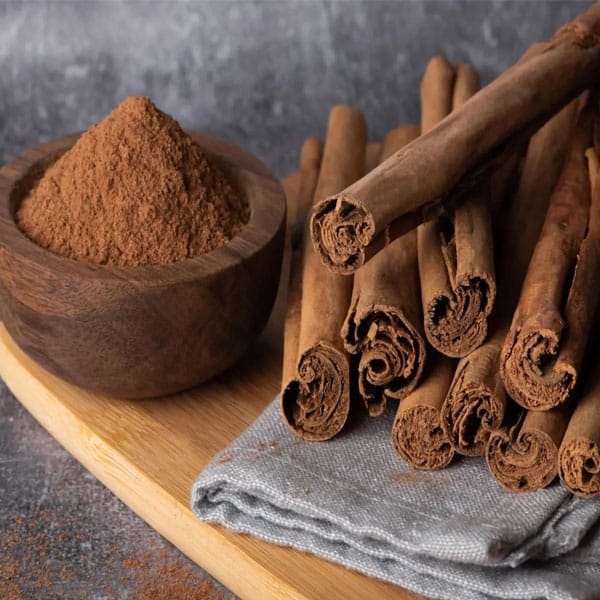
Cinnamon (generic): In everyday trade, “cinnamon” is an umbrella word covering several different species of bark, which is why the species name on your invoice matters more than the word “cinnamon” itself.
Ceylon cinnamon: The bark of Cinnamomum verum, grown mainly in Sri Lanka, with thin, papery, multi-layered quills and a delicate, sweet, lightly citrus flavor.
True cinnamon: Another name for Ceylon cinnamon, used mostly in retail and health-food marketing rather than in formal trade documents.
Cassia: The broad name for the harder, thicker, darker and more pungent cinnamon-family barks, which make up the large majority of the cinnamon sold in supermarkets worldwide.
Chinese cassia: The bark of Cinnamomum cassia, with a strong, spicy-sweet taste and a rough, thick, single-layer curl.
Indonesian cassia (Korintje): The bark of Cinnamomum burmannii, the most commonly traded and most affordable cassia, with a mild, balanced flavor suited to bakeries and spice blends.
Vietnamese cassia (Saigon): The bark of Cinnamomum loureiroi, prized for its high essential oil content and an intense, sweet, almost candy-like heat.
If you are unsure which of these your supplier is really shipping, the cassia species is the place to compare their appearance, flavor and typical price side by side.
Botanical name: The Latin name of the plant, such as Cinnamomum verum, which is the only reliable way to confirm species because common names like “Ceylon” and “Saigon” are sometimes used loosely.
Coumarin: A naturally occurring compound found in much higher amounts in cassia than in Ceylon cinnamon, and one that some regulators limit in food, so it matters if you sell into the European Union or make products for daily consumption.
cinnamon trade terms glossary
Part Two: Grade and Form Terms
Grade: A standardized label describing the thickness, size, color and quality of the bark, which directly determines both its price and its best use.
Alba: The finest and thinnest grade of Sri Lankan quills, with the lightest color and the most refined flavor, and normally the most expensive on any price list.
Continental (C5, C4): A mid-to-upper grade of Ceylon quills, slightly thicker than Alba, widely used by premium food producers.
Mexican (M5, M4): A grade of Ceylon quills named after the market that historically bought them, with a slightly thicker bark and a strong, clean flavor at a more moderate price.
Hamburg (H1, H2, H3): A thicker, coarser grade of Ceylon quills used where flavor strength matters more than appearance, such as in extraction or large-volume blending.
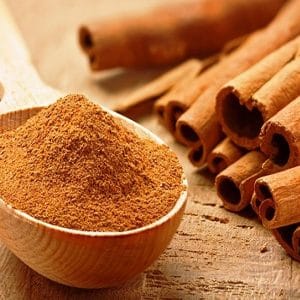
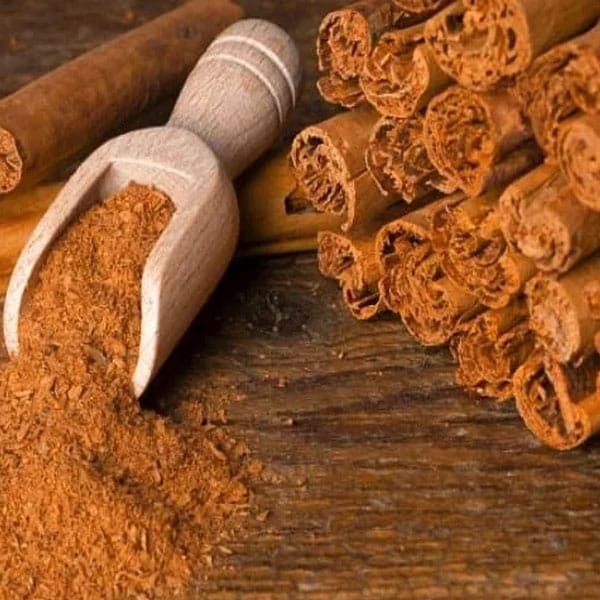
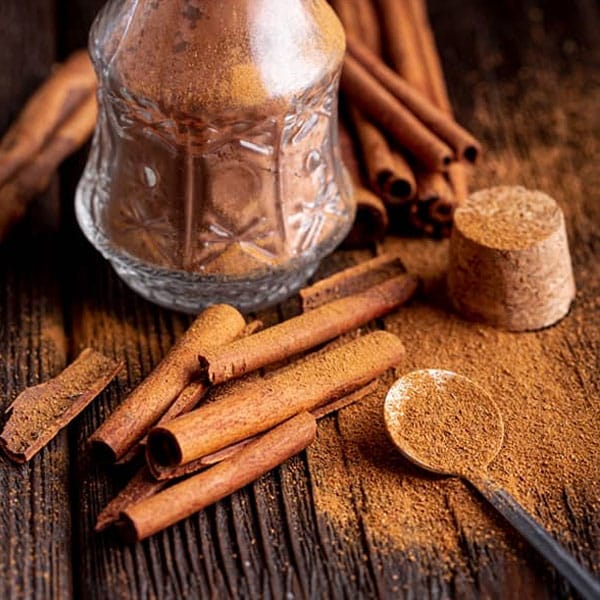
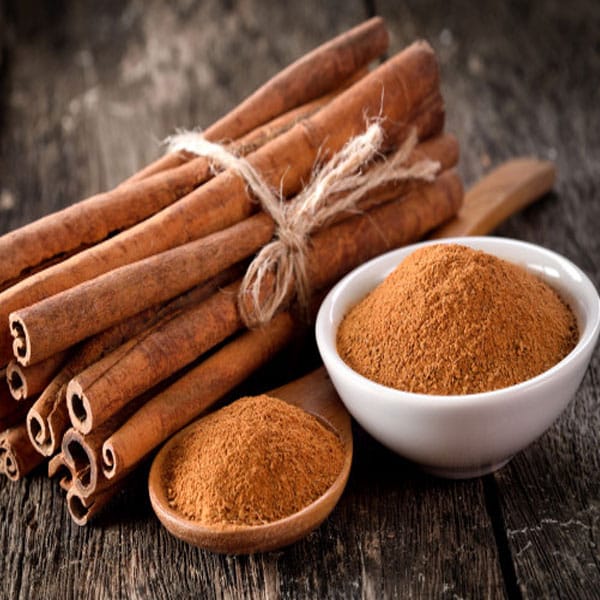
Quill: A long, rolled stick of cinnamon bark made by nesting thin strips inside one another, and the form most people picture when they think of cinnamon.
Quillings: Broken pieces of quills collected during handling and packing, which carry the same flavor as whole sticks at a lower price.
Featherings: Strips of inner bark taken from twigs and trimmings, cheaper still and commonly used for grinding.
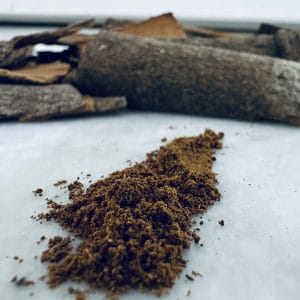
Chips: The leftover bark from rough shoulders and trimmings, with the lowest cost and best suited to oil distillation or powder production.
Cut / broken / split: Descriptions of bark that has been cut to a set length or split in half, usually for the food-service and tea trade.
Ground cinnamon: Powder milled from bark, whose quality depends entirely on the starting material, which is why you should always ask which grade and species went into the mill.
Moisture content: The percentage of water in the bark at the time of testing, which should be low and stable because high moisture invites mold and shortens shelf life.
Essential oil content: The measured percentage of volatile oil in the bark, which is the best technical indicator of aroma and flavor strength.
To see how these grades are actually assessed and what separates one from the next in practice, read the grades in detail before you finalize any order.
cinnamon trade terms glossary
Part Three: Shipping and Commercial Terms
Incoterms: A set of internationally recognized rules that define who pays for what, and who carries the risk, at each stage of a shipment.
EXW (Ex Works): You collect the goods from the seller’s premises and take on all cost and risk from that point, which is the most demanding option for a first-time importer.
FOB (Free on Board): The seller delivers the goods onto the ship at the port of origin, and from that moment the cost and the risk pass to you.
CFR (Cost and Freight): The seller pays to bring the goods to your destination port, but the risk still passes to you once the goods are loaded on the ship.
CIF (Cost, Insurance and Freight): The same as CFR, with the seller also arranging basic insurance for the voyage, which is why CIF quotes look higher but often reflect the real landed cost more honestly.
Commercial invoice: The seller’s formal bill, listing the product, quantity, unit price, total value and terms of sale, and the document customs uses to calculate duties.
Packing list: A document that breaks the shipment down by bag, carton or pallet, with weights and counts, so you can verify what physically arrives.
Bill of lading (B/L): The carrier’s receipt and contract of carriage, and often the document you need to claim the goods at the destination port.
Phytosanitary certificate: An official statement from the exporting country’s plant authority that the shipment has been inspected and is free from pests and disease.
Certificate of origin: A document confirming the country where the cinnamon was grown and processed, which can affect duty rates and trade-agreement benefits.
Certificate of analysis (COA): A laboratory report showing measured values such as moisture, ash, oil content and contaminant levels for a specific batch.
Fumigation certificate: Proof that the cargo or container was treated against insects before shipping, required by some destination countries.
HS code (0906): The international customs classification for cinnamon, with subcodes that separate whole bark from crushed or ground product, and the number your customs broker will use to assess duty.
MOQ (Minimum Order Quantity): The smallest amount a supplier is willing to sell in one order, which often decides whether a deal is realistic for a smaller buyer.
FCL / LCL: Full Container Load means you fill an entire container, while Less than Container Load means your goods share one with other buyers’ cargo.
Lot / batch number: The identifier tying your goods to one production run, which is essential for traceability if a quality problem appears later.
Demurrage: The daily fee a shipping line charges when your container stays at the port beyond the free time allowed, a cost that surprises many new importers.
cinnamon trade terms glossary
Before You Sign: Put the Glossary to Work
Knowing the vocabulary is only half the job. The other half is checking each term against the actual goods and documents in front of you, line by line, before money changes hands. Match the species to the botanical name, the grade to the sample, the Incoterm to the quoted price, and the certificates to the destination country’s rules. When you are ready to do that systematically, the buying checklist walks you through each step the way a major importer would.
Once these terms stop being mysteries, an invoice becomes what it should have been all along: a clear description of what you are buying, what it will cost you and who is responsible at every stage of its journey.
Records mentioned in this article

Frequently Asked Questions
Ceylon cinnamon (Cinnamomum verum) has thin, multi-layered quills and a delicate, sweet flavor, while cassia is thicker, darker, more pungent and contains far more coumarin.
FOB (Free on Board) means the seller delivers the goods onto the ship at the origin port, and from that moment the cost and risk pass to you as the buyer.
Check the commercial invoice, packing list, bill of lading, certificate of origin, phytosanitary certificate and certificate of analysis, and make sure each one matches the species, grade and quantity you ordered.