When you open a jar of cinnamon in your kitchen, the warm, sweet aroma that fills the air is the final result of an incredibly labor-intensive journey. Unlike seeds or leaves, cinnamon is the dried inner bark of a tree. Harvesting it requires precision, patience, and generations of specialized knowledge. For a complete overview of this spice’s botanical and historical context, you can refer to the cinnamon record.
To truly understand the value, quality, and pricing of this globally traded commodity, buyers and sourcing professionals must map out the entire cinnamon supply chain. Understanding the peeling work at the start of the chain is crucial, as the meticulous craftsmanship at this initial stage dictates the grade and market value of the final product.
Let us break down the journey of cinnamon step-by-step, from the tropical forests where it is grown to the packaged spice on retail shelves, and identify the critical vulnerability points where quality can be compromised.
Step 1: The Bark Peeler (The Harvester)
The cinnamon supply chain begins at the farm or estate level, primarily in countries like Sri Lanka (for Cinnamomum verum or Ceylon cinnamon) and Indonesia, China, or Vietnam (for Cassia varieties). Harvesting is not mechanized; it relies entirely on human skill.

cinnamon supply chain
Peelers harvest the branches, usually during the rainy season when the bark is flush with sap and easier to separate from the wood. Using specialized brass or stainless-steel knives (to prevent the bark from oxidizing and turning black), the peeler scrapes off the rough outer bark and carefully slices and removes the delicate inner bark.
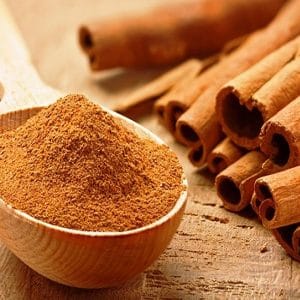
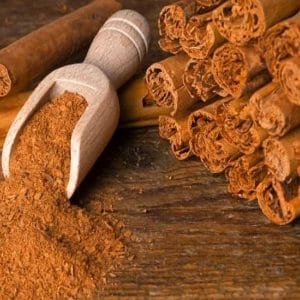
These delicate strips are then packed inside one another like a telescope to form long, layered tubes known as “quills.” The quills are left to dry in the shade, curling perfectly into the familiar cinnamon sticks. A skilled peeler is the most vital asset in the supply chain; their technique directly determines whether the batch will be sold as a premium “Alba” grade or relegated to lower-tier broken pieces.
Step 2: The Collector (The Aggregator)
Most cinnamon is grown by smallholder farmers who lack the volume to export directly. This is where the local collector or middleman steps in.
Collectors travel through rural villages, purchasing small batches of dried quills, quillings (broken pieces), and chips from individual farmers. At this stage, the collector performs an initial, rudimentary quality check. They assess moisture levels—ensuring the bark is properly dried to prevent mold—and check for visual defects or pest damage. By consolidating these small harvests, the collector creates viable commercial volumes that can be transported to regional processing hubs.
Step 3: The Grader (The Quality Controller)
Once the collector delivers the bulk shipments to a processing center, the grading process begins. This is a meticulous, highly regulated phase, particularly in Sri Lanka, where Ceylon cinnamon is classified under a strict grading system based on the diameter of the quills, color, and essential oil content.
Graders manually sort the quills into several categories:
Alba: The thinnest, most prized, and most expensive quills (barely thicker than a pencil).
Continental: Slightly thicker, very high quality.
Mexican: Medium thickness, popular in Latin American markets.
Hamburg: Thicker, darker quills.
Broken pieces are separated into quillings, featherings, and chips, which are generally destined for the grinding or essential oil distillation markets. After sorting, the cinnamon is bundled into tight bales, ready for the international market.
cinnamon supply chain
Step 4: The Exporter (The Global Bridge)
The exporter is responsible for bridging the gap between the origin country and the global market. They purchase the graded bales and prepare them for international shipping.
This stage involves strict regulatory compliance. The exporter must ensure the cinnamon undergoes proper fumigation or sterilization (often using ozone or steam) to meet the phytosanitary requirements of the destination country. They handle the complex logistics, customs documentation, laboratory testing for coumarin levels or pesticide residue, and container loading. The exporter sells to large spice importers, wholesale distributors, or massive food manufacturing conglomerates.
Step 5: The Packager and Retailer (The Final Polish)
Upon arrival in the destination country, the cinnamon reaches the final industrial stage: the packager. If the cinnamon is to be sold as whole sticks, it is simply cut to uniform lengths and placed in retail packaging.
However, a massive portion of the global supply is destined to be ground into powder. Industrial grinders pulverize the bark, often blending different batches to achieve a standardized flavor profile and color. The powder is then sealed in jars, bags, or bulk containers, distributed to supermarkets, bakeries, and restaurants, eventually ending up in your pantry.
At Which Stage Does Species Mixing Occur?
One of the biggest challenges in the cinnamon supply chain is authenticity. True Ceylon cinnamon is expensive, delicate, and boasts a complex, sweet flavor. Cassia cinnamon is much cheaper, harder, spicier, and contains high levels of coumarin—a compound that can cause liver damage if consumed in large quantities.

cinnamon supply chain
Because of the price disparity, economic motivation for adulteration is high. But where exactly does this happen?
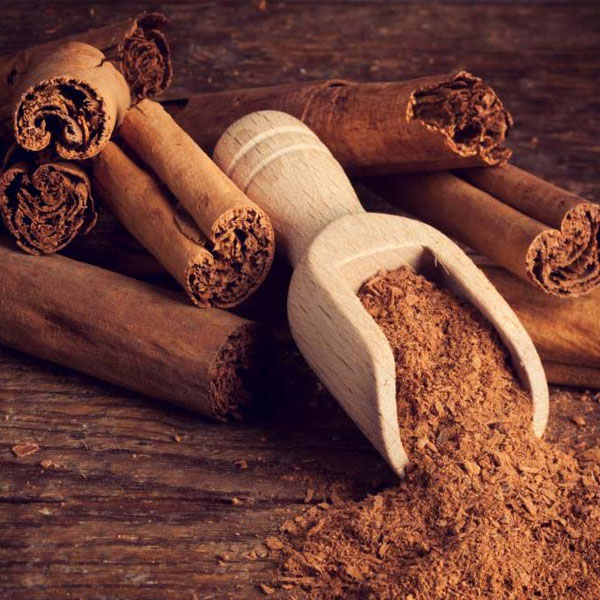
While whole quills of Ceylon and Cassia are visually distinct (Ceylon is brittle with multiple thin layers; Cassia is a thick, single, hard layer), once the spice is pulverized into a brown powder, they look virtually identical.
Therefore, the mixing of species predominantly occurs at the Packager/Grinder stage, or sometimes via unscrupulous Exporters who deal in pre-ground spices. A facility might blend a small amount of authentic Ceylon with a large volume of cheap Cassia to stretch their profit margins while still claiming the product contains “real cinnamon.” This is exactly where substitution happens, creating significant risks for buyers relying on origin authenticity and safe coumarin limits. To mitigate this, expert buyers insist on purchasing whole quills and grinding the spice themselves, or they demand rigid third-party laboratory audits for ground shipments.
The cinnamon supply chain is a fascinating blend of ancient, handcrafted tradition and modern, global logistics. For sourcing professionals, understanding every link—from the peeler’s knife to the final exporter’s manifest—is the only way to guarantee product integrity. By tracing the journey, buyers can ensure fair compensation for skilled labor at the origin and protect consumers from deceptive adulteration at the destination.
Records mentioned in this article

Frequently Asked Questions
The peeling process cannot be automated. A peeler’s skill determines how thin and intact the inner bark remains. Thinner, perfectly rolled quills (like the Alba grade) demand premium prices, meaning the physical craftsmanship directly impacts the final market value.
Visually and texturally, it is almost impossible for a consumer to detect if ground Ceylon cinnamon has been mixed with cheaper Cassia. The only definitive ways are through professional chemical analysis (testing for high coumarin levels present in Cassia) or by purchasing whole sticks and grinding them yourself.
While graders do the official sorting, local collectors are the first line of defense against poor quality. They ensure the bark they aggregate from small farms is adequately dried, free of mold, and stored correctly, which prevents the entire bulk batch from spoiling before it reaches the exporters.