Step into any commercial bakery, artisan coffee shop, or spice market around the globe, and the warm, woody aroma of cinnamon is unmistakable. But behind this ubiquitous spice lies a highly concentrated and fiercely competitive global supply chain. If you dive into the cinnamon record, you will quickly realize that the global trade of this ancient bark is driven by a massive, yet geographically tight-knit, network of farmers and exporters.
In 2023, the global agricultural sector reported a staggering total production of 238,203 tons of cinnamon. For food and beverage manufacturers, wholesale spice traders, and curious consumers, understanding the origin of this spice is crucial for quality control, flavor profiling, and pricing. So, exactly which country produces the most cinnamon? The answer lies in Asia, where an overwhelming 98% of the world’s entire supply is harvested by just four nations: China, Vietnam, Indonesia, and Sri Lanka.
However, looking strictly at the total tonnage only tells half the story. The international market is deeply divided by botanical varieties, meaning the country that produces the most volume is not the country that produces the original “true” cinnamon. To understand the global cinnamon landscape, we must look closely at the “Big Four” producers and the specific type of bark they bring to the market.
which country produces the most cinnamon
The Global Monopoly: Four Countries, 98% of the Supply
Unlike crops such as wheat or coffee that are grown across dozens of continents and climates, commercial cinnamon requires a very specific tropical ecosystem to thrive. It demands high humidity, consistent rainfall, and well-drained soils. Because of these strict agricultural requirements, the production is heavily localized in Southeast and South Asia.
When buyers ask about global volume, they must first understand that the vast majority of the cinnamon traded globally is actually cassia rather than true cinnamon. Cassia varieties are generally hardier, faster-growing, and boast a much more pungent, spicy-sweet flavor profile that holds up well in commercial baking and high-heat industrial processing. This botanical distinction is exactly what dictates the current production leaderboard, heavily skewing the numbers toward countries that cultivate the Cassia varieties.
1. China: The Uncontested Volume Leader (39% of Global Production)
When answering the question of which country produces the most cinnamon, China takes the undeniable lead. Accounting for approximately 39% of the total global output in 2023, China is the powerhouse of the international spice trade.
China primarily cultivates Cinnamomum cassia (often referred to simply as Chinese Cassia). The production is heavily concentrated in the southern provinces, particularly Guangxi and Guangdong, where the subtropical climate provides the perfect environment for these evergreen trees.
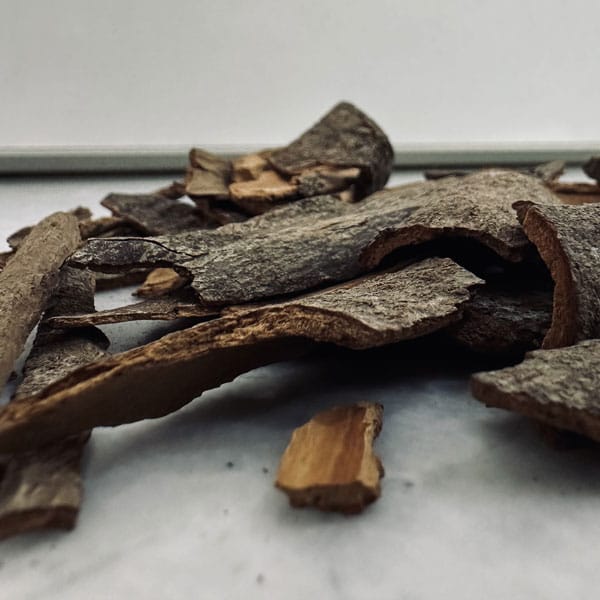
Chinese Cassia is famous for its thick, rough bark and a very strong, bitter-sweet flavor profile. Because it contains higher levels of essential oils and a naturally robust taste, it is the go-to choice for massive commercial applications. If you are eating a heavily spiced cinnamon roll from a major fast-food chain or buying a generic jar of ground cinnamon from a discount supermarket, there is a very high probability that it originated in a Chinese forest.
From a business sourcing perspective, China offers unparalleled scale and aggressive pricing. However, Chinese Cassia also contains the highest levels of coumarin, a naturally occurring organic chemical compound that can cause liver toxicity if consumed in massive, concentrated quantities. While perfectly safe in normal culinary doses, wholesale buyers in highly regulated markets (like the European Union) must carefully monitor coumarin levels when importing Chinese cinnamon to ensure regulatory compliance.
2. Vietnam: The Rising Star of Intense Flavor
Closely following China in the volume rankings is Vietnam, a country that has aggressively expanded its agricultural spice sector over the last two decades. Vietnam specializes in Cinnamomum loureiroi, commonly known in the trade as Saigon Cinnamon or Vietnamese Cassia.

which country produces the most cinnamon
The epicenter of Vietnamese production lies in the mountainous northern provinces, such as Yen Bai. What makes Vietnamese cinnamon stand out in the global market is its exceptionally high volatile oil content—sometimes reaching up to 5% or 6%. This incredibly high oil concentration gives Saigon cinnamon an intensely sweet, spicy, and almost fiery flavor. It packs a massive punch, meaning food manufacturers can often use less of it in their recipes while still achieving a bold flavor profile.
For commercial buyers, Vietnam has become the preferred origin for premium Cassia. It commands a slightly higher price point than Chinese Cassia but offers a superior, more complex flavor that artisan bakers, craft beverage makers, and high-end spice brands actively seek out. The country’s investment in better processing facilities and sustainable harvesting techniques has only solidified its position as a critical pillar in the 238,203-ton global market.
3. Indonesia: The Backbone of the American Market
If you grew up in North America, the flavor you most likely associate with “cinnamon” is actually Cinnamomum burmannii, or Indonesian Korintje cinnamon. Indonesia is the third massive player in the global Cassia market, harvesting its crops primarily on the island of Sumatra, specifically around the slopes of Mount Kerinci.
Indonesian cinnamon strikes a highly commercially viable balance. It is smoother and less biting than Chinese Cassia, yet less intense and expensive than Vietnamese Saigon cinnamon. It possesses a warm, woodsy, and classic flavor that is universally appealing.
Furthermore, Indonesian Korintje is notoriously easy to grind into a very fine, uniform powder, making it a favorite for industrial food manufacturers, bakeries, and consumer packaged goods (CPG) companies. Its reliable supply chain, consistent quality, and approachable price point have made Indonesia the dominant supplier for the United States market for decades. While China leads the world in absolute volume, Indonesia quietly remains the reliable workhorse of the western spice rack.
which country produces the most cinnamon
4. Sri Lanka: The Prestigious Home of “True” Cinnamon
Here lies the most critical distinction in the global spice trade: Sri Lanka is the historical origin of true cinnamon, yet it is not the largest producer by volume.
While China, Vietnam, and Indonesia battle over the remaining percentages of the 238,203-ton global output with their Cassia varieties, Sri Lanka entirely dominates a highly lucrative, specialized niche: Cinnamomum verum (often translated as “true cinnamon” or Ceylon cinnamon).
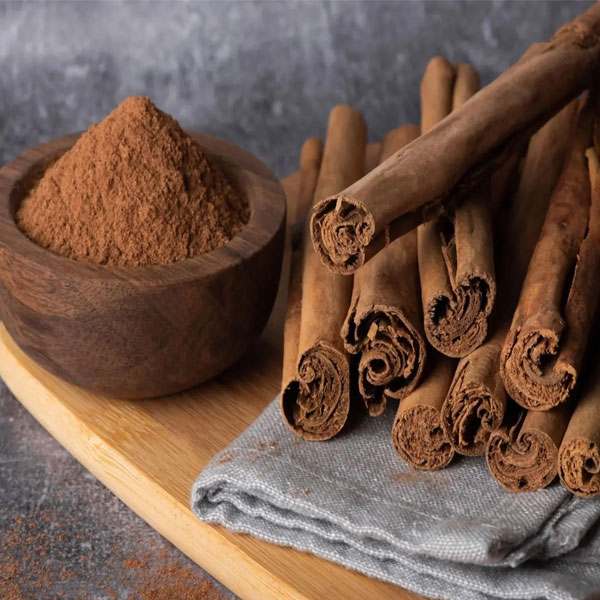
Native to the island nation of Sri Lanka, Ceylon cinnamon is fundamentally different from its Cassia cousins. Instead of thick, hard pieces of bark, Ceylon cinnamon is harvested by meticulously peeling the ultra-thin inner bark of the tree. Highly skilled artisans then roll these delicate, paper-thin layers together by hand into fragile, cigar-like quills.
The flavor profile of Sri Lankan cinnamon is extraordinarily complex. It is mild, highly aromatic, slightly sweet, and carries distinct floral and citrus notes. It lacks the harsh, spicy bite of Cassia, making it the absolute pinnacle choice for delicate desserts, fine chocolates, and traditional Mexican cuisine (where it is known as canela).
Crucially for the modern health-conscious consumer, Ceylon cinnamon contains only microscopic, negligible trace amounts of coumarin. This makes it the only recommended variety for individuals taking daily cinnamon supplements for blood sugar management. Because of its labor-intensive harvesting process, low yield, and premium health profile, Sri Lankan cinnamon commands a significantly higher market price than any Cassia variety. It will never compete with China on sheer volume, but it remains the undisputed king of quality and historical authenticity in the spice trade.
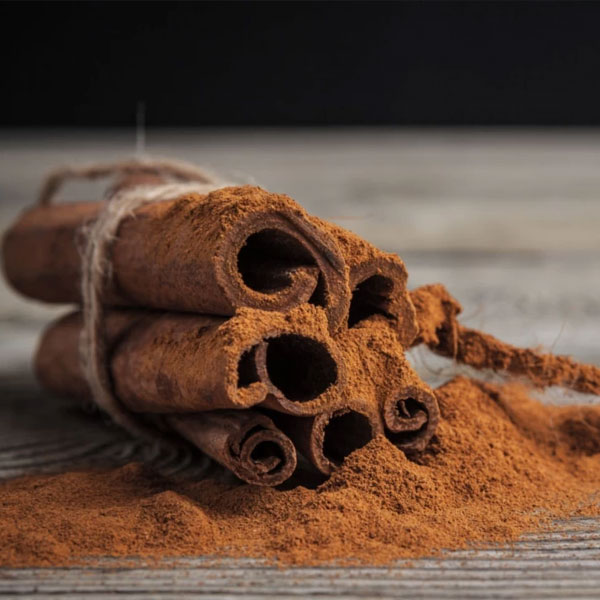
which country produces the most cinnamon
Strategic Sourcing in a Concentrated Market
For supply chain managers, food scientists, and commodity traders, understanding this four-country dynamic is the key to successful procurement. The 2023 production figure of 238,203 tons is not a monolith; it is a diverse portfolio of flavors, chemical properties, and price points.
Choose China for absolute lowest cost and massive industrial scale.
Choose Vietnam for premium, high-oil Cassia that delivers an intense, spicy-sweet punch.
Choose Indonesia for a reliable, smooth, middle-ground flavor that perfectly fits traditional North American baked goods.
Choose Sri Lanka for authentic, ultra-low coumarin, delicate “true” cinnamon where premium pricing is acceptable.
Ultimately, while the question of which country produces the most cinnamon is answered by China’s massive agricultural output, the true beauty of this global market lies in the specific, unique characteristics each of these four nations brings to the table.
Records mentioned in this article

Frequently Asked Questions
China is the world’s largest producer of cinnamon by volume, accounting for approximately 39% of the total global output (which reached 238,203 tons in 2023). They primarily produce the hard, strongly flavored Cassia variety.
Sri Lanka cultivates Cinnamomum verum (Ceylon cinnamon), which requires highly skilled, labor-intensive hand-harvesting of the tree’s delicate inner bark. This artisanal process yields much lower volumes compared to the thicker, heavier Cassia bark harvested in China and Southeast Asia, but it commands a much higher premium price.
Chinese cinnamon (Cassia) is thick, dark brown, and has a strong, spicy-bitter flavor with higher levels of coumarin. Sri Lankan cinnamon (Ceylon) consists of fragile, hand-rolled, paper-thin layers of inner bark, featuring a mild, sweet, and complex floral flavor with practically zero coumarin content.