Step into any spice market or scan wholesale commodity sheets, and a glaring disparity immediately surfaces: Ceylon cinnamon consistently trades at a multiple of common Cassia. To casual shoppers, both are brown, aromatic tree barks ground into warm baking powders. Yet to food scientists, commercial importers, and master distillers, they are fundamentally distinct commodities representing entirely different production models.
Understanding why this price delta exists requires peering past marketing slogans into botanical physiology, agricultural economics, and the grueling artisanal craft preserved on the coastal plains of Sri Lanka. As documented across the cinnamon record, true cinnamon (Cinnamomum verum) is not merely a spice harvested from a forest; it is an engineered, hand-assembled culinary artifact whose final valuation reflects human hours, delicate biological material, and structural yield loss.
The Fundamental Cost Driver
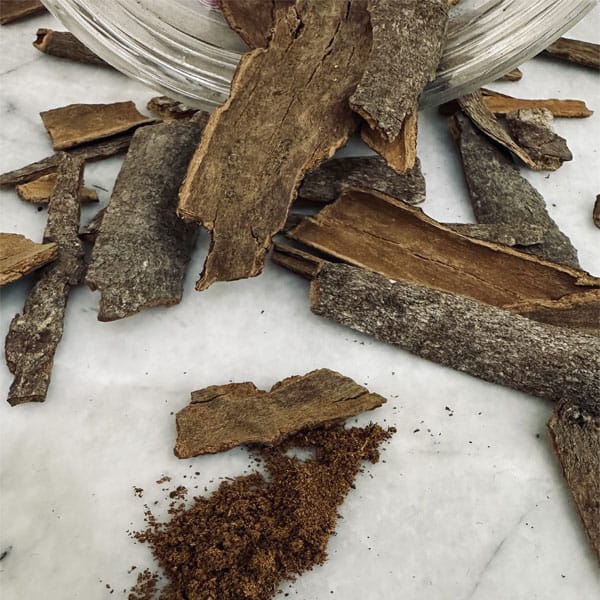
The primary reason Ceylon cinnamon costs significantly more than Cassia comes down to human hands. Cassia (Cinnamomum cassia, C. burmannii, and C. loureiroi) comes from rugged, mature trees grown in China, Indonesia, and Vietnam. When Cassia reaches maturity after ten to fifteen years, loggers fell the tree or slice through thick exterior trunks. Workers scrape away the rough outer cork and peel off large, dense slabs of bark. As these thick bark slabs dry under direct sun, their natural moisture evaporation forces them to contract into thick, hollow, rock-hard quills. The process is straightforward, requires minimal specialized handling, and allows vast tonnage to move swiftly from hillside to processing shed.

why is ceylon cinnamon more expensive
Ceylon cinnamon production follows an entirely different paradigm. Harvesting Cinnamomum verum is a delicate surgical extraction performed on young, slender stems cultivated through coppicing. Harvesters cut flexible shoots close to the ground every few years, initiating an immediate race against evaporation. If the harvested stem dries out before peeling, the sap crystallizes and the valuable inner membrane adheres permanently to the woody core, ruining the batch.
The difference in production intensity is rooted in the peeling and rolling work. A skilled artisan must first carefully pare off the bitter, weathered outer bark using a curved brass knife, taking extreme care not to puncture the fragrant living tissue underneath. Once cleared, the peeler rubs the stem methodically with a smooth brass rod to loosen the delicate inner bark from the hardwood core.
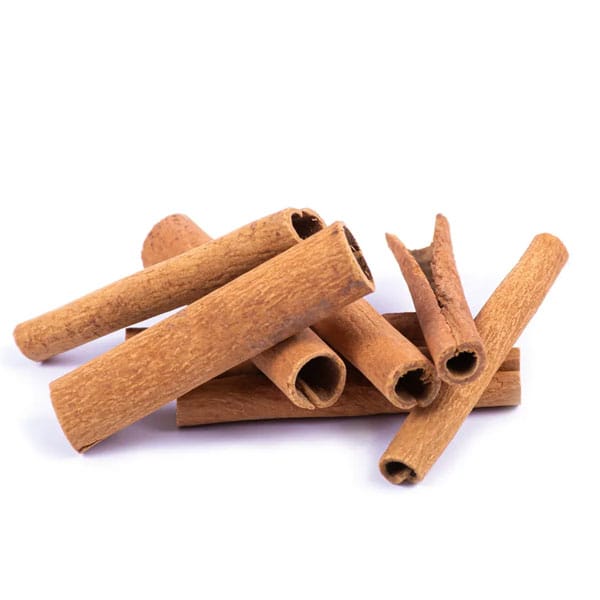
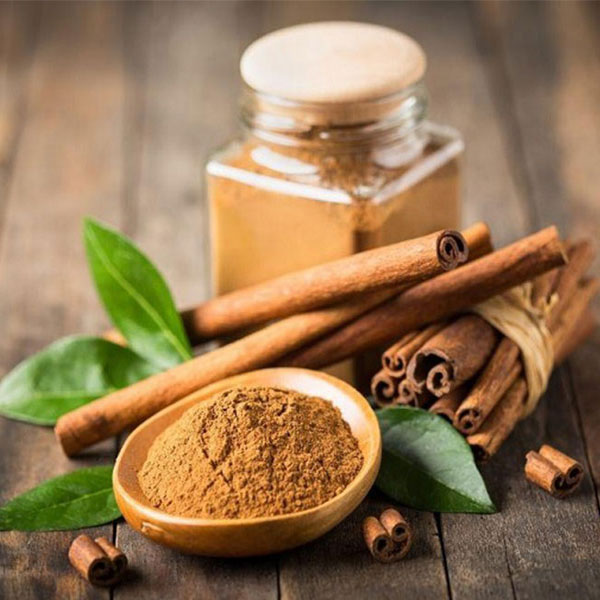
Using razor-sharp incisions, the worker shaves paper-thin sheets of this inner bark—measuring barely fractions of a millimeter in thickness. Instead of letting them dry into coarse curls, the artisan layers dozens of these fragile, wet strips inside one another, sliding them end-to-end to form a continuous, tight, multi-layered cylinder resembling a fine cigar. This entire multi-layered quill is packed with small bark trimmings (featherings), joined seamlessly, and hung to cure slowly under indirect shade on coir ropes to prevent curling or molding.
A single artisan can spend an entire working day crafting only a few kilograms of premium quills. Where Cassia relies on tree bulk and heavy mechanical cutting, Ceylon cinnamon relies entirely on irreplaceable manual labor.
Botanical Fragility and Yield Realities
The biological nature of the tree itself dictates a stark difference in usable yield:
Sub-Millimeter Usable Tissue: In a Cassia trunk, nearly the entire bark depth contains strong cinnamaldehyde-laden fibers that can be dried and ground. In Ceylon cinnamon, only the paper-thin phloem layer possesses the refined, floral eugenol-cinnamaldehyde profile. The rough outer cork must be scraped away and discarded as low-value organic waste, slashing the usable output per harvested branch.
why is ceylon cinnamon more expensive
Coppice Cycle vs. Clear-Cutting: Ceylon cinnamon plantations operate on strict vegetative regeneration cycles. Farmers cut slender shoots at the base, waiting eighteen to twenty-four months for new straight poles to mature. Stems that grow crooked, branch out prematurely, or suffer insect punctures cannot yield unbroken quills, instantly relegating that material to cheap distillation chips.
Microclimate Dependence: While Cassia species thrive across massive, varied mountainous belts across Southeast Asia, true Ceylon cinnamon reaches its organoleptic peak primarily in the southwestern coastal strip of Sri Lanka, where white sandy soils, saline ocean breezes, and consistent tropical humidity interact. This geographic concentration exposes the global supply to localized monsoon disruptions and regional labor constraints.
How Grading Tiers Dictate Market Value
When buying wholesale or retail Ceylon cinnamon, one quickly learns that no single uniform product exists. The pricing structure is stratified by strict physical standards based on quill diameter, bark thinness, and visual uniformity. As any seasoned spice buyer knows, grade decides the price across every tier of the international market:
Alba: The apex of the craft. Alba quills are pencil-thin (often under 6 millimeters in diameter), rolled exclusively from the youngest, most tender shoots by master peelers. They feature paper-thin concentric layers, a golden-tan hue, and a sweet, delicate aroma. The labor required to produce an Alba quill is exponentially higher than standard cuts, placing it at the summit of spice valuation.
Continental (C5 Extra Special, C5, C4): Slightly thicker than Alba, these grades exhibit pristine layering, smooth surfaces, and minimal natural bark blemishes (foxing). They serve as the benchmark for luxury European bakeries and gourmet confectioners.
Mexican (M5, M4): Developed historically to supply Latin American markets for infusions and chocolate processing, Mexican grades feature slightly rougher bark texture and reddish hues, though they maintain a tender compound quill structure that crushes easily between fingers.
Hamburg & Lower Grades (H1, H2, Quillings, Featherings, Chips): These encompass thicker bark cuts, broken quill fragments from packing lines, and loose trimmings. While chemically identical in botanical origin, they sell at lower commercial baselines because they lack the pristine, labor-intensive cigar architecture of Alba and Continental selections.
Cassia rarely goes through such meticulous physical sorting; it is typically graded roughly by length, clean scrapings, and volatile oil percentage, bypassing the labor costs of artisanal sizing entirely.
why is ceylon cinnamon more expensive
Coumarin, Safety Regulations, and Clean Flavor Demand
The disparity in raw production cost is compounded by structural demand from premium food manufacturers and health-conscious consumers.
Cassia contains substantial concentrations of coumarin, a naturally occurring aromatic compound known to exhibit hepatotoxic properties when consumed regularly in non-trivial amounts. Health authorities in various jurisdictions, notably within the European Union, enforce strict maximum limits on coumarin content in seasonal baked goods, cereals, and industrial food formulations.
In sharp contrast, Ceylon cinnamon contains only trace levels of coumarin—often low enough to be nearly undetectable in routine assays. This chemical safety profile makes Ceylon cinnamon the default raw material for daily dietary supplements, extract manufacturing, functional beverages, and traditional medicinal formulas.
Furthermore, Ceylon’s aromatic profile is nuanced: rather than the sharp, hot, single-note punch of Cassia’s cinnamaldehyde, Cinnamomum verum delivers a complex symphony of cinnamaldehyde balanced by high natural concentrations of eugenol (clove-like notes), linalool, and subtle citrus terpenes. For perfumers, craft beverage distillers, and artisan pastry chefs, this nuanced flavor cannot be replicated by inexpensive industrial barks.
Post-Harvest Vulnerability and Logistics
The expense of Ceylon cinnamon does not end when the quill is rolled. Curing and drying multi-layered quills is a high-risk operational phase:
Indirect Dehydration: Because the quills consist of dozens of tightly wrapped damp layers, they cannot simply be left under blistering sun, which would make the outer wraps brittle while leaving the damp core to decay. They must be dried under gentle air currents in open-sided curing sheds.
why is ceylon cinnamon more expensive
Mold Vulnerability: If excessive humidity or unseasonal monsoon rainfall lingers during the curing window, trapped moisture between the tight layers can spark fungal growth, destroying entire curing racks. Preventing this requires continuous climate monitoring and manual rotation of quills.
Handling and Fragility: Once cured, Ceylon quills are remarkably brittle. While a slab of Cassia bark can withstand rough handling in bulk hessian sacks without breaking, Ceylon quills must be sorted, trimmed to exact commercial lengths with specialized guillotines, and packed with extreme care into protective bales or moisture-barrier cartons to prevent pulverization in international transit.
Ceylon cinnamon costs more because it is harvested by hand, rolled into delicate layered quills, and grown mainly in Sri Lanka in limited quantities. In return, you get a milder, more refined flavor and much lower coumarin, which makes the higher price worthwhile for many buyers.
Records mentioned in this article

Frequently Asked Questions
Ceylon cinnamon is composed of paper-thin, soft inner bark layers rolled tightly together by hand, allowing it to crumble easily between your fingers or grind effortlessly in a standard kitchen blender. Cassia bark is a single, dense, fibrous tree bark layer that dries into a hard, rigid wall that can damage consumer spice grinders.
Authentic pure Ceylon powder generally costs slightly less than pristine intact Alba or C5 quills because it can be ground from broken quills, quillings, and trimmings (featherings). However, true Ceylon powder remains significantly more expensive than Cassia powder due to the underlying botanical value and purity guarantees.
Not necessarily inferior, but suited for different uses. Cassia’s intense, pungent heat holds up exceptionally well under high-temperature commercial baking where subtle nuances would bake off. Ceylon cinnamon is preferred for delicate dishes, light infusions, functional supplements, and daily consumption where low coumarin levels and balanced aromatics are paramount.