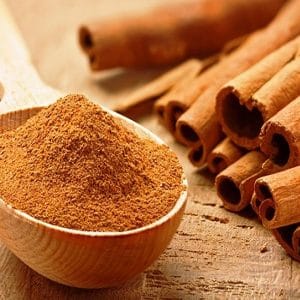
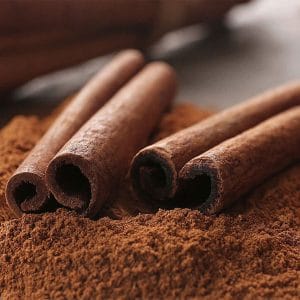
Step inside an export processing warehouse in the Southern Province of Sri Lanka, and you will quickly notice that the sorting benches look less like agricultural packing houses and more like artisanal jeweler workshops. Sorters handle fragile, pale-tan cylinders with bare hands, measuring their thickness with callipers and sorting them into distinct wooden bins. This delicate handiwork is the culmination of how the bark is peeled and rolled by master peelers (chalias) who strip the microscopic inner bark of Cinnamomum verum into paper-thin layers before tucking them inside one another to dry.
Yet, for wholesale buyers, importers, and food processors entering the trade, Ceylon cinnamon grading remains one of the most widely misunderstood systems in the global spice market. Buyers routinely pay a 300% premium for high-tier grades under the false assumption that thinner quills carry a richer aroma, sweeter taste, or superior active compounds.
In truth, the international market standard for Ceylon cinnamon—codified under the Sri Lanka Standards Institution standard SLS 81—measures physical geometry, artisanal craftsmanship, and visual consistency. It does not evaluate chemical potency or aromatic strength.
Understanding this distinction is the single most critical factor in optimizing your sourcing budget, whether you are formulating a craft beverage, sourcing luxury whole retail quills, or buying raw botanicals for industrial extraction.
How the Ceylon Grading System Works
To navigate commercial contracts and invoices across the spice trade, buyers must reference the cinnamon record and its codified grading terminology. The official trade structure divides harvest yields into four broad categories: Whole Quills, Quillings, Featherings, and Chips.

ceylon cinnamon grades explained
Within whole quills, grades are differentiated primarily by quill diameter, the number of whole quills per kilogram, and surface blemishes (such as “foxing,” or reddish-brown fungal spots).
Whole Quill Categories: From Ultra-Fine to Industrial
Whole quills are produced by nesting smaller strips of inner bark into a continuous hollow casing made from outer peel strips, creating a structure that resembles a hand-rolled cigar. Quills are traditionally cut to standard 42-inch (106 cm) lengths for export bundles, though retail lengths of 3 to 5 inches are prepared downstream.
1. Alba: The Pencil-Thin Luxury Tier
Target Diameter: Under 6 mm (roughly the thickness of a pencil lead to a standard pencil)
Quills per Kilogram: 40 to 45+ full-length quills
Physical Profile: Pale golden-tan, exceptionally smooth, constructed from the youngest, most tender shoots of the tree.
Commercial Purpose: Alba sits at the absolute pinnacle of market pricing. It requires extraordinary dexterity to peel and roll without snapping the paper-thin bark. Alba is almost exclusively sold to high-end European delicatessens, luxury gift packagers, and fine-dining cocktail garnishes where guests see and handle the whole quill.
The Buyer’s Trap: If you intend to grind, extract, or submerge the cinnamon inside a distillation vessel, purchasing Alba is a waste of capital. You are paying purely for the peeler’s labor and aesthetic presentation.
2. Continental (C-Grades)
Target Diameter: 6 mm to 16 mm (subdivided into C5 Special, C5, C4, C3)
Physical Profile: Slender, highly uniform, tightly packed layers with negligible foxing.
Commercial Purpose: Continental grades represent the gold standard for global gourmet retail.
C5 Special and C5: The sweet spot for premium retail spice jars. They offer the elegant multi-layered cigar look that distinguishes Cinnamomum verum from coarse, hollow Cassia bark, at a manageable price point compared to Alba.
C4: A workhorse grade for premium bakeries and confectionery makers who grate or break quills by hand.
3. Mexican (M-Grades)
Target Diameter: 16 mm to 19 mm (subdivided into M5 Special, M5, M4)
Physical Profile: Moderately thicker bark layers, slightly darker coloring, and minor visual surface irregularities.
Commercial Purpose: Historically named after its primary destination market, the Mexican grade dominates the Latin American import trade. In Mexican gastronomy, cinnamon is regularly steeped whole for café de olla, horchata, and savory mole sauces. Because the sticks are steeped and discarded rather than displayed on a dry goods shelf, buyers prioritize high bark surface area over pencil-thin perfection, making M-grades cost-effective for wet preparation.
ceylon cinnamon grades explained
4. Hamburg (H-Grades)
Target Diameter: 19 mm to 25+ mm (subdivided into H1, H2, H3)
Physical Profile: Thick, robust, fibrous walls rolled from the lower, more mature sections of the cinnamon tree. Quills have a rougher exterior and deeper brown patches.
Commercial Purpose: Popular in Northern European and South American industrial blending. H-grades are sturdy enough to survive bulk handling without shattering into powder. They are frequently used by industrial tea blenders, mulled-wine sachet manufacturers, and commercial extractors seeking whole-stick material at competitive per-kilo rates.
Fractional & By-Product Grades
Not every piece of bark emerges from the drying sheds as a flawless 42-inch cylinder. The trimming, handling, and drying stages produce three critical secondary grades that form the backbone of the industrial food and extraction markets.
Quillings (Broken Quills Under 106 mm)
During packing, sorting, and cutting, quills naturally fracture. Standard trade definitions classify Quillings as broken pieces of authentic whole quills measuring under 106 millimeters (approx. 4.17 inches) in length, as well as split or structurally imperfect quills.
The Reality: Quillings consist of genuine Alba, Continental, and Mexican bark. They hold the exact same volatile oil profile, low coumarin content, and sweet-citrus flavor as intact premium sticks.
Best Use: High-end spice mills, artisanal tea blends, spirit distillers, and pharmaceutical manufacturers. Buying quillings yields identical flavor extraction at a 30% to 50% discount compared to full-length quills.
Featherings (Internal Trimmings and Flakes)
As peelers join bark segments to construct the interior core of a quill, fragile shavings, curled off-cuts, and small inner bark trimmings fall to the table. These scraps are swept and dried separately as Featherings.
The Reality: Featherings are pure inner bark; they contain no heavy wood or dirty outer cork. However, because they lack structural integrity and consist of loose flakes, they oxidize faster if left unsealed.
Best Use: Commercial curry powder bases, instant chai blends, and large-scale industrial steam distillation for pure Ceylon cinnamon leaf and bark essential oil.
Chips (Off-Cuts and Coarse Bark Scrap)
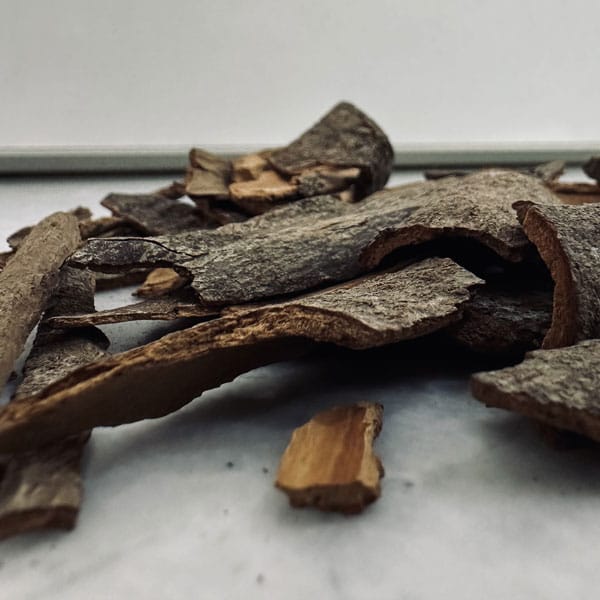
Chips represent the lowest physical trade grade. They consist of unpeelable bark shavings, trimmings from the coarse base of the trunk, and rough scrap scraped from mature stems after the inner layers have been salvaged.
ceylon cinnamon grades explained
The Reality: Chips contain a higher percentage of outer cork residue, woody fiber, and sand or dust impurities. Consequently, international buyers specify strict limits on acid-insoluble ash and foreign matter before accepting ship-loads of chips.
Best Use: Bulk solvent extraction, industrial oleoresin manufacturing, and budget incense manufacture where raw aroma can be refined through mechanical filtration.
The Quality Myth: Diameter vs. Volatile Oil Content
The most common mistake new sourcing managers make is writing a procurement specification that demands “Alba Grade with Minimum 2.5% Volatile Oil.”
Laboratory chromatography consistently demonstrates that the botanical age of the tree and the drying method dictate volatile oil concentration—not quill diameter.
Surface-to-Volume Ratio: Thin Alba quills lose their volatile aromatics (predominantly cinnamaldehyde, eugenol, and linalool) faster under open-air storage conditions due to higher ambient surface exposure.
Oil Consistency: Coarser Hamburg quills or freshly broken Quillings often match or slightly exceed Alba in total extractable essential oil by mass, because the inner bark retains its volatile fractions deeper inside the cell walls until milled.
The Sourcing Verdict:
Buy Alba & C5 for visual consumer packaging where whole, unbroken aesthetics drive retail markup.
Buy M-Grades & Quillings for culinary kitchens, infusions, mulled beverages, and craft brewing.
Buy Quillings & Featherings for in-house milling, baking spice mixes, and cold-brew extracts.
Sourcing & Inspection Checklist for Wholesale Buyers
When reviewing samples or receiving container shipments of graded Ceylon cinnamon, evaluate these key inspection points:
Visual Color & Foxing: Authentic Ceylon cinnamon presents a warm, pale tan or honey-yellow hue. Avoid quills with extensive grey cast (indicative of damp storage) or deep reddish-black spots covering more than 20% of the quill surface (foxing).
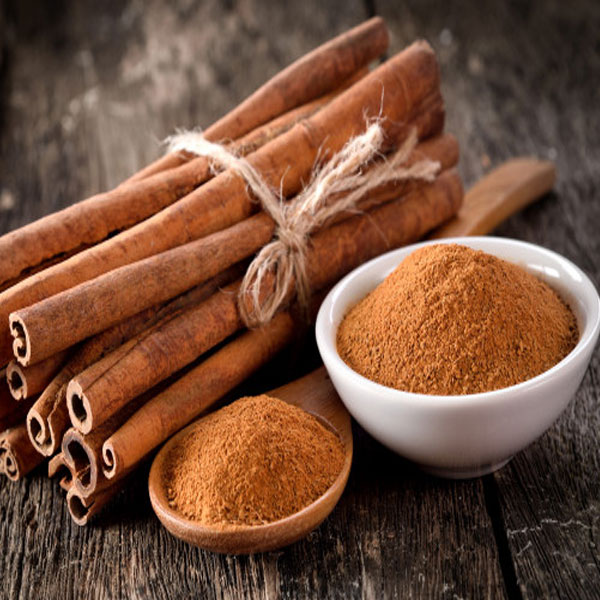
ceylon cinnamon grades explained
Cross-Section Check (True Cinnamon vs. Cassia): Snap a quill in half. True graded Ceylon quills show dense, cigar-like layers rolled together from ultra-thin bark sheets. Cassia shows a single, thick, hollow, rock-hard curved wall.
Moisture Content: SLS 81 limits moisture to a strict maximum of 12.0% to 12.5%. Higher moisture creates instant mold hazard during ocean transit in sealed shipping containers.
Sulfur Fumigation Levels: Traditional Sri Lankan processors expose quills to mild sulfur dioxide fumes inside closed curing rooms to prevent insect infestations and preserve golden color. Ensure your supplier provides a certificate of analysis (COA) confirming sulfur residues conform to your market’s threshold (e.g., maximum limits under EU 1333/2008 or US FDA tolerances).
Cinnamon grades come down to how the bark is harvested and processed: Alba is the finest and most delicate, while Continental, Quills, and Quillings differ mainly in thickness, appearance, and price. Knowing these differences helps you choose the right grade for your kitchen or business, whether you value subtle flavor, beautiful presentation, or good value.
Records mentioned in this article

Frequently Asked Questions
No. Alba does not have a higher sugar or cinnamaldehyde content. It commands a premium price purely because of the rare peeling skill required to roll sub-6 mm quills and its visual appeal. The flavor, aroma, and delicate sweetness across Alba and Continental grades are virtually identical when derived from the same harvest batch.
Quillings are fractured pieces of intact, multi-layered quills measuring under 106 mm in length. Featherings are the loose, paper-thin shavings, internal peel trimmings, and off-cuts collected during the rolling process. Quillings offer higher bulk density, while featherings consist of thin, loose flakes that grind easily.
You can, but it is commercially inefficient. Grinding Alba yields the exact same flavor and chemical composition as grinding high-quality Quillings, but costs two to three times as much per kilogram. Commercial millers should always purchase Quillings or high-grade Featherings for powdered applications.