Running low on the world’s most expensive spice? Our expert guide identifies the most effective saffron substitutes for achieving both vibrant color and aromatic depth across various professional recipes. From paella-perfect annatto to baking-friendly cardamom, learn how to pivot your dish without sacrificing high-end culinary quality.
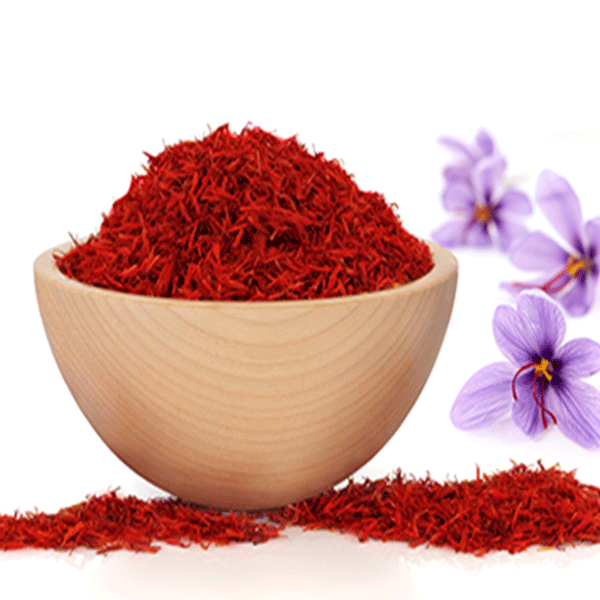
As anyone who frequently cooks with premium spices knows, genuine saffron is entirely in a league of its own. Extracted from the delicate stigmas of the Crocus sativus flower, it delivers an intoxicating, earthy, and slightly floral flavor alongside a brilliant golden-yellow hue.
However, because it is the most expensive spice in the world, keeping it stocked isn’t always practical. Whether you ran out mid-recipe or simply want a more budget-friendly option for a weeknight dinner, you need a reliable backup.
Having analyzed the global spice trade and culinary formulations for years, I can tell you that finding the “perfect” substitute depends entirely on what you need the spice to do: are you chasing that distinct flavor, or do you just need that signature golden color? Let’s break down the best saffron substitutes, compare their profiles, and help you make the right decision for your dish.
The Decision Matrix: Flavor vs. Color
Before reaching into your pantry, ask yourself what role saffron plays in your specific recipe.
If you are baking a traditional Scandinavian Lucia bun, the flavor is front and center; you’ll need a substitute that mimics its earthy profile. On the other hand, if you are making a large batch of yellow rice, visual appeal is your primary goal, and you can rely on robust, color-heavy alternatives.
best saffron substitute
1. Turmeric: The Best Saffron Substitute for Color
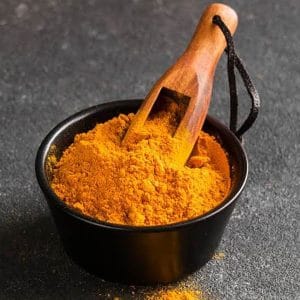
Turmeric is the most common and accessible alternative. Belonging to the ginger family, it provides a vibrant yellow color that closely mimics the visual effect of saffron.
The Catch: Turmeric has a sharp, earthy, and slightly bitter flavor profile that is completely different from saffron.
How to use it: Use it sparingly. If a recipe calls for a pinch of saffron threads, use just 1/4 teaspoon of ground turmeric. This is enough to dye the dish yellow without overpowering it with a heavy curry-like flavor.
2. Safflower (Mexican Saffron): The Visual Deceiver
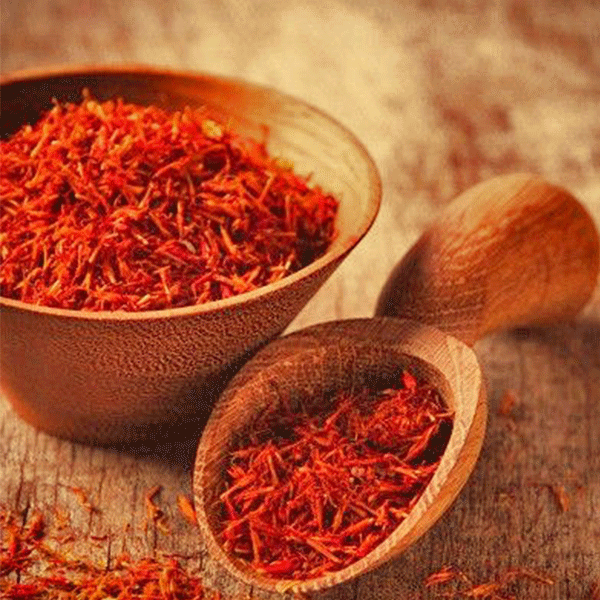
Often marketed as “Mexican saffron” or “false saffron,” safflower petals look strikingly similar to real saffron threads. In fact, they are often used by dishonest vendors to adulterate real saffron.
Why it works: Safflower will give your broths, paellas, and rice dishes a beautiful golden-orange tint.
The Catch: Safflower is practically flavorless. It will not contribute the complex, hay-like sweetness of real saffron.
How to use it: You can use a 1:1 ratio. Since it has a neutral taste, you don’t have to worry about ruining the flavor profile of your dish.
best saffron substitute
3. Annatto (Achiote): The Latin American Secret
Extracted from the seeds of the achiote tree, annatto is a staple in Latin American and Caribbean cooking. It imparts a stunning golden-orange hue.
Flavor Profile: Unlike safflower, annatto does bring a mild flavor to the table—it is slightly nutty, sweet, and peppery, which bridges the gap between color and taste quite well.
How to use it: If using annatto powder, start with 1/2 teaspoon per pinch of saffron. Alternatively, you can steep annatto seeds in warm oil, strain them, and use the infused oil in your cooking base.
4. The Expert Blend: Cardamom + Turmeric (Best for Flavor)
If you are making a dish where the taste of saffron is vital, you have to get creative. Saffron’s flavor is notoriously difficult to replicate because it contains compounds like safranal and picrocrocin.
The Hack: Combine a tiny pinch of turmeric (for color) with half a teaspoon of sweet paprika and a very small dash of ground cardamom. Cardamom brings that complex, floral, and slightly medicinal earthiness that tricks the palate into experiencing saffron-like notes.
Saffron Culinary Arts: Practical Recipes
Saffron Substitutes Comparison Guide
| Substitute | Best Used For | Flavor Match | Color Match | Suggested Ratio |
|---|---|---|---|---|
| Turmeric | Rice dishes, curries, marinades | Poor | Excellent | 1/4 tsp per pinch of saffron |
| Safflower | Broths, soups, visual garnishes | Poor (Neutral) | Excellent | 1:1 replacement |
| Annatto | Paella, stews, Latin dishes | Moderate | Excellent | 1/2 tsp per pinch of saffron |
| Cardamom + Turmeric | Baking, desserts, risotto | Good | Moderate | Pinch of each to taste |
While alternatives like turmeric and safflower can easily save a weeknight dinner by replicating saffron’s beautiful golden hue, true culinary perfection requires the authentic, complex flavor of the real spice. If you are a chef, distributor, or food manufacturer sourcing high-quality ingredients for premium production, understanding the origin, grading, and direct-trade dynamics of genuine saffron is essential.
Records mentioned in this article
Frequently Asked Questions
No. Turmeric perfectly mimics saffron’s golden color, but has a sharp, earthy, and slightly bitter taste. Use it only when color is your main goal, not for flavor.
Annatto or safflower. They provide the classic golden-orange hue without the heavy, curry-like flavor of turmeric, which can easily overpower delicate seafood.
Use a tiny pinch of ground cardamom to recreate the floral aroma, paired with a drop of yellow food coloring. Avoid turmeric, as it will make your pastries taste savory.