Mastering saffron requires precision: a standard pinch of 20–30 threads perfectly seasons a meal for four, while using powder demands a strict 1/8-teaspoon substitution to avoid bitterness. For maximum flavor and vibrant color, always “bloom” the spice by grinding it and steeping it in warm water or ice before cooking. This simple yet essential technique ensures you extract the absolute best culinary value from the world’s most premium spice.
Saffron at a Glance: Key Facts for Buyers & Businesses
| Category | Details |
|---|---|
| Botanical Name | Crocus sativus L. |
| Primary Origins | Iran (90%), Afghanistan, Spain, Kashmir (India), Greece |
| Active Compounds | Crocin (color), Picrocrocin (flavor), Safranal (aroma) |
| Grading Standards | ISO 3632 (Category I–III based on crocin, picrocrocin, safranal levels) |
| Common Grades | Sargol (all-red threads), Negin (premium long threads), Pushal (red + some yellow) |
| Retail Price Range (2026) | 8– 15/gram (premium), 500 – 500– 3,000/kg (bulk, B2B) |
| Key Quality Indicators | Deep red color, minimal yellow threads, strong aroma, moisture <12%, no additives |
| Shelf Life | 2–3 years (airtight, cool, dark storage) |
| Culinary Uses | Paella, risotto, Persian rice, desserts, teas |
| Health Benefits | Antioxidant, mood support, potential anti-inflammatory properties* |
| Buying Tips for Consumers | Buy threads (not powder), check ISO cert, test 2–3 threads in warm water |
| Sourcing Tips for Businesses | Request lab reports (ISO 3632), verify origin docs, sample before bulk orders |
Saffron at a Glance: Key Facts for Buyers & Businesses. Origin, grades, 2026 prices, and purity checks — the essentials for both home and bulk saffron buyers, in one table. Columns: Category, Details. Botanical Name — Crocus sativus L.. Primary Origins — Iran (90%), Afghanistan, Spain, Kashmir (India), Greece. Active Compounds — Crocin (color), Picrocrocin (flavor), Safranal (aroma). Grading Standards — ISO 3632 (Category I–III based on crocin, picrocrocin, safranal levels). Common Grades — Sargol (all-red threads), Negin (premium long threads), Pushal (red + some yellow). Retail Price Range (2026) — 8– 15/gram (premium), 500 – 500– 3,000/kg (bulk, B2B). Key Quality Indicators — Deep red color, minimal yellow threads, strong aroma, moisture <12%, no additives. Shelf Life — 2–3 years (airtight, cool, dark storage).
If you are holding a tiny jar of saffron right now, you already know you are holding the world’s most expensive spice. The stakes feel high. Add too little, and you lose that mesmerizing golden hue and earthy aroma. Add too much, and your carefully planned dinner suddenly tastes like medicinal plastic.
As a sourcing expert who has evaluated everything from Spanish Coupe to Persian Negin saffron, I often see home cooks and even professional chefs stumble on measurement. Recipe writers love to use the term “a pinch,” but what does that actually mean when a single gram costs more than gold?
Let’s break down exactly how much saffron you need, how to measure it without a micro-scale, and how the specific dish you are cooking dictates the amount.
What is a “Pinch” of Saffron?
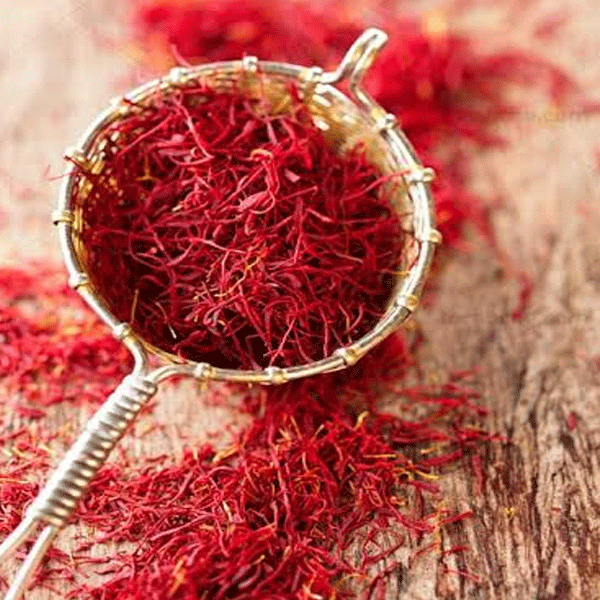
For a standard recipe serving 4 to 6 people, a “pinch” of saffron equals exactly 20 to 30 threads.
How much saffron to use
For a standard recipe serving 4 to 6 people, a “pinch” of saffron equals exactly 20 to 30 threads.
If you were to weigh this on a jeweler’s scale, it would be roughly 0.1 grams. This standard pinch is the sweet spot. It is enough to brilliantly color a family-sized pan of rice and infuse it with that distinct floral, slightly sweet aroma without overpowering the palate.
A good baseline rule to memorize is 3 to 5 threads per person you are serving.
Saffron Culinary Arts: Master the traditional techniques of blooming and blending to unlock the true flavor and aroma of premium saffron.
Saffron Measurement & Conversion Guide
| Measurement Term | Exact Thread Count | Weight in Grams | Best Used For |
|---|---|---|---|
| A Small Pinch | 10 – 15 threads | ~0.05g | Tea, delicate baking, marinades |
| A Standard Pinch | 20 – 30 threads | ~0.1g | Risotto, small paella, Persian rice |
| A Generous Pinch | 40 – 50 threads | ~0.15g | Large batch stews, bouillabaisse |
| 1/2 Teaspoon (Ground) | Approx. 150+ threads | ~0.5g | Commercial/Bulk cooking only |
Tailoring Saffron to Your Recipe
Saffron isn’t a one-size-fits-all ingredient. The fat content, acidity, and cooking time of your dish completely change how the spice behaves. Here is how you should adjust your measurements based on what you are cooking.
1. Risotto alla Milanese (The Classic)
The Amount: 20 to 25 threads for a 4-person serving.
The Reason: Risotto relies heavily on butter, cheese, and broth. Fat carries flavor beautifully, meaning you don’t need to overdo the saffron. The goal is a vibrant yellow color and a subtle earthy background that doesn’t fight with the parmesan.
2. Authentic Spanish Paella
The Amount: 30 to 40 threads for a large pan (serves 6).
The Reason: Paella is complex. It features heavily flavored ingredients like chorizo, seafood, garlic, and paprika. Because the flavor profile is so robust, you need a slightly heavier hand with the saffron so it isn’t masked by the other spices.
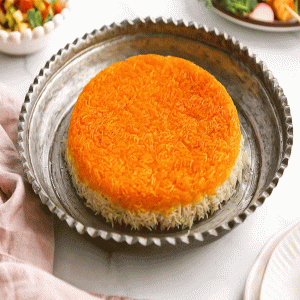
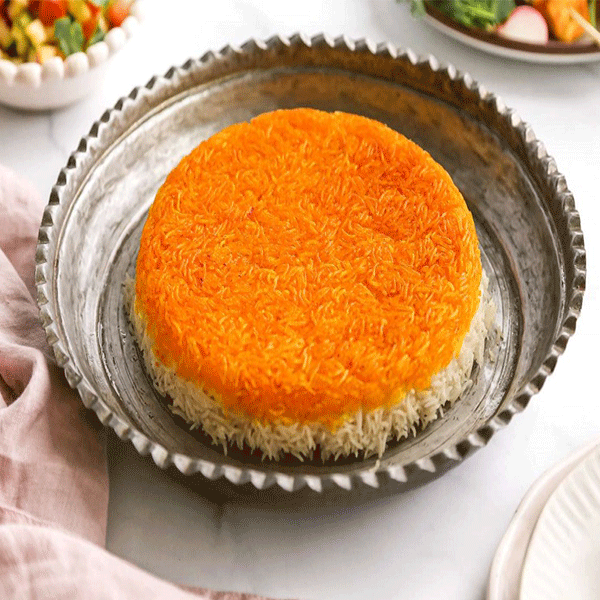
3. Persian Tahdig and Jeweled Rice
The Amount: 1/4 teaspoon of ground saffron, dissolved in ice water.
The Reason: In Persian cooking, saffron is almost always ground in a mortar and pestle with a literal pinch of sugar (which acts as an abrasive), then bloomed. Grinding maximizes the surface area, giving you an explosive, deep crimson color perfect for coating rice.
How much saffron to use
4. Saffron Tea or Beverages
The Amount: 3 to 5 threads per mug.
The Reason: Hot water extracts saffron aggressively. Without fats or starches to mellow it out, using more than 5 threads in a single cup of tea will make the beverage taste unpleasantly bitter and metallic.
Saffron Threads vs. Saffron Powder
One of the most common mistakes home cooks make is substituting saffron powder for saffron threads at a 1:1 ratio. Never do this.
When a recipe calls for a “pinch of saffron threads,” it leaves plenty of air space between the strands. If you use a pinch of commercially ground saffron powder, you are using a significantly denser, highly concentrated amount of the spice.
The Rule of Thumb: If a recipe calls for 30 threads and you only have pre-ground powder, use just 1/8th of a teaspoon.
Sourcing Tip: At OriginAndSource, we always recommend buying whole threads over powder. Pre-ground saffron is notoriously adulterated with turmeric, paprika, or safflower. Whole threads guarantee authenticity.
The Secret Step: Why How You Prep Matters More Than How Much You Use
You can use a massive amount of saffron and still get zero flavor if you don’t prepare it correctly. Throwing dry saffron threads directly into a hot pan of rice is a waste of money. The threads will stay intact, the color will be isolated to tiny specks, and the flavor will remain locked inside.
How much saffron to use
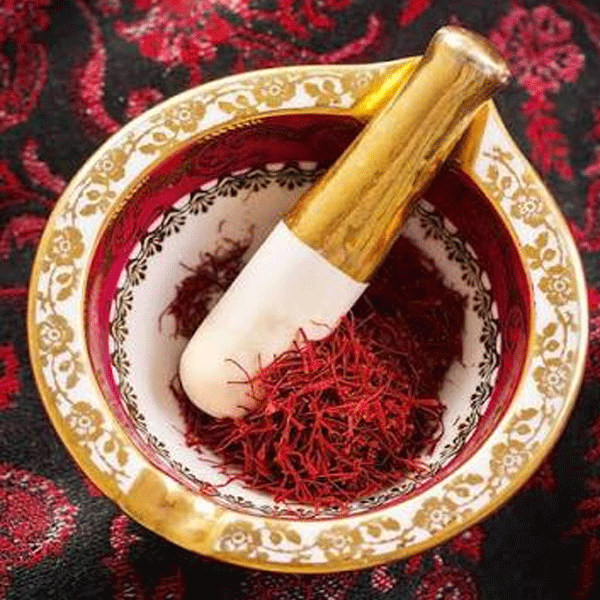
You must bloom your saffron.
Grind it (Optional but recommended): Place your measured threads in a small mortar with a tiny pinch of coarse salt or sugar. Grind to a rough powder.
Steep it: Add 2 tablespoons of warm (not boiling) water or broth. Alternatively, an old Persian trick is to use an ice cube and let it melt over the powder at room temperature—this shocks the color out of the spice beautifully.
Wait: Let it sit for at least 15 to 20 minutes before adding the liquid directly to your dish.
By blooming, 20 threads will yield twice the color and flavor of 40 un-bloomed threads.
Troubleshooting: What Happens If You Add Too Much?
If you’ve slipped up and added a massive pinch (say, 70+ threads to a small pot), you will immediately notice two things:
The color goes past a golden yellow into a harsh, neon orange-red.
The taste turns intensely bitter, resembling iodine or medicine.
How to fix it: If you realize it early, do not add the entire blooming liquid to your pot. If it’s already in the food, try adding dairy (like heavy cream or butter) or a squeeze of lemon juice. The fat and acidity can help mellow out the intense medicinal notes, though a heavily over-saffroned dish is hard to fully rescue.
When in doubt, under-measure. Saffron is potent. If you are using high-quality, Grade A Negin saffron (where only the red stigma tips are used), you need even less than standard grocery store varieties that contain the yellow, flavorless styles. Start with 20 threads, bloom them properly, and let this ancient spice do the heavy lifting in your kitchen.
Records mentioned in this article
Frequently Asked Questions
A standard pinch is exactly 20 to 30 threads (about 0.1 grams), which breaks down to a general rule of 3 to 5 threads per person.
No, because powder is much denser and highly concentrated. If a recipe calls for a standard pinch of 30 threads, you should only use 1/8th of a teaspoon of powder.
You must “bloom” it. Grind the threads with a tiny pinch of salt or sugar, then steep them in warm water (or over melting ice) for 15 to 20 minutes before adding the liquid to your dish.