
Editor’s pick
🇮🇩 Indonesia
Spice
Clove
The world's largest grower exports almost none of it — because it smokes them
Compare Clove (Indonesia) and Cinnamon (Sri Lanka) side by side — origin, maker, price, materials and what the difference actually means.
The world's largest grower exports almost none of it — because it smokes them
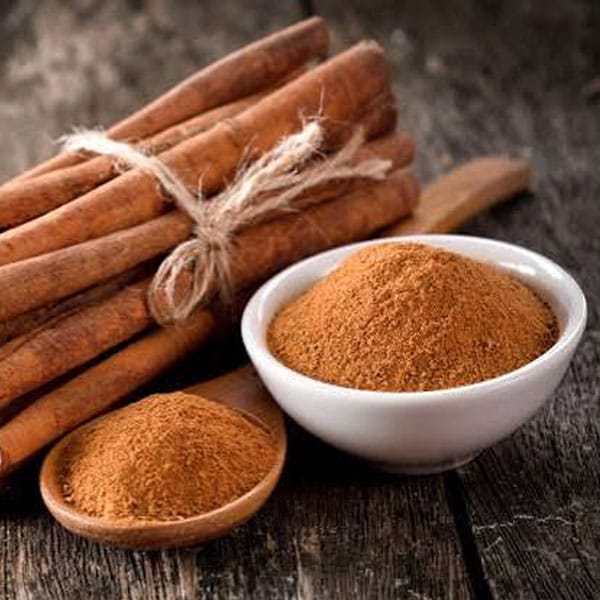
One name, five trees — and the cheap one outsells the real one ninety-nine to one
| Field | Clove | Cinnamon |
|---|---|---|
| Country | Indonesia | Sri Lanka |
| Type | Spice | Spice |
| Maker | Smallholder growers of Maluku and Sulawesi | Smallholder bark peelers of the southwestern wet zone |
| Region | Maluku Islands and Sulawesi | Southwestern Sri Lanka (Galle, Matara, Ratnapura) |
| Made since | 1770 | 1270 |
| Verified record | Yes | Yes |
| Source | Wikipedia | Wikipedia |
| Family | Myrtaceae | Lauraceae |
| Part used | Unopened flower bud, dried | Inner bark |
| Commodity code (HS) | 0907 | 090610 |
Cloves are flower buds that never opened, from a tree native to five small islands in the Moluccas. Indonesia grows more than anyone and exports only ten to fifteen per cent of it, sometimes importing from Madagascar to cover the shortfall. The rest goes into cigarettes.
True cinnamon is the inner bark of Cinnamomum verum, from Sri Lanka. Almost everything sold as cinnamon is cassia, a different tree from a different country, carrying up to a hundred times more coumarin. Laboratory testing keeps finding cassia inside jars labelled Ceylon.