Few spices show up as often in a child’s day as cinnamon: sprinkled on oatmeal, baked into apple slices, stirred into rice pudding, dusted over toast. It tastes sweet without adding sugar, so parents naturally feel good about it, until a headline about liver safety makes them pause. If you have been searching for a cinnamon for kids safe amount, you are in the right place. Before the numbers, it helps to understand where this spice comes from and why its varieties differ, which is covered well in the cinnamon record.
The short answer for busy parents
The daily limit for cinnamon is set by body weight, not by a fixed spoonful for everyone. The compound that matters is coumarin, which is found in large amounts in common cassia cinnamon, and the limit European regulators suggest is the tolerable daily intake per kilogram of body weight, about 0.1 mg of coumarin per kilogram each day. Because a child weighs far less than an adult, the same limit turns into a much smaller number of grams for them, and that is the entire reason children need more care than adults, not because cinnamon is dangerous in itself.

cinnamon for kids safe amount
The simple math you can do in your kitchen
You do not need a laboratory to work this out. Multiply your child’s weight in kilograms by 0.1 to get their daily coumarin allowance in milligrams. Then compare it with the coumarin in the cinnamon you actually own. Typical supermarket cassia powder averages around 3 milligrams of coumarin per gram, although some batches are far stronger, and a level teaspoon weighs about 2.5 grams.
Here is how that works out in real life. A toddler of about 12 kilograms has an allowance of 1.2 milligrams, which equals roughly 0.4 grams of cassia powder, or a scant sixth of a teaspoon. A child of about 20 kilograms, around five years old, has 2 milligrams to work with, which is about 0.7 grams, or a generous quarter teaspoon. For a nine-year-old at roughly 30 kilograms, the allowance is 3 milligrams, which comes to about 1 gram, or a little under half a teaspoon. An adult of 70 kilograms, for comparison, can have about 7 milligrams, which is around 2.3 grams, or nearly a full teaspoon.
These figures use an average value for cassia. A particularly strong batch can contain more coumarin and shrink the amount, while a mild one gives you a little extra room. Treat these amounts as a sensible ceiling for cassia, not a target to reach every day.
Why this is not a reason to remove cinnamon
It is easy to read a limit and conclude that the safest choice is to avoid the spice entirely, but that would be an overreaction. The tolerable intake is built with a large safety margin and is meant to be averaged over a long period, so a heavier sprinkle on a birthday pancake does not suddenly put a child at risk. What matters is the pattern: a pinch in the morning porridge is very different from cinnamon in the cereal, the smoothie, the cookies, and the tea every single day.
In real homes, the amounts that cause trouble come from stacking, not from a single serving. A child who gets cinnamon in several foods and drinks can quietly reach the limit without anyone counting. Keeping it to one or two small servings a day, and varying the spices you use (vanilla, cardamom, nutmeg in tiny amounts, or ginger), gives the flavor you want while spreading your exposure out.

cinnamon for kids safe amount
Practical ways to use cinnamon with kids
A few habits make the whole question easy to manage:
Measure once, then estimate. Use a real quarter-teaspoon measure a few times so you learn what it looks like on a bowl of oatmeal, then eyeball it from there.
Mix it into food. Stir cinnamon into yogurt, porridge, or batter rather than serving it loose. Dry powder can be inhaled and cause coughing or choking, and children should never be given a spoonful of dry cinnamon, including on a dare from a video.
Count the hidden sources. Cinnamon rolls, granola, spiced cereals, chai, and flavored baby snacks all add up, so think of them as part of the same daily allowance.
Start small with young children. For toddlers and babies who are just starting solids, a tiny dusting is plenty, and it is worth checking with your pediatrician first.
Watch for reactions. True cinnamon allergy is uncommon, but mouth irritation, rashes, or stomach upset after eating it are good reasons to stop and ask a doctor.
Cassia, Ceylon, and the label problem
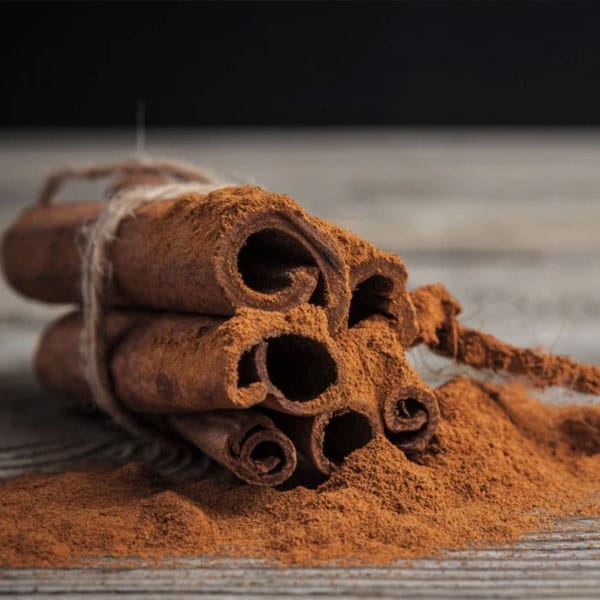
Most of the cinnamon sold in grocery stores is cassia, which is cheaper, darker, and strongly flavored, and which is also the type highest in coumarin. Ceylon cinnamon, sometimes called “true” cinnamon, is lighter in color, more delicate in taste, and contains only trace amounts. The difficulty is that many labels simply say “cinnamon,” so you cannot tell which one you are buying without checking the origin or the botanical name. If the jar does not say, assume it is cassia and use the smaller amounts above.

cinnamon for kids safe amount
When to talk to a doctor first
Most healthy children can enjoy cinnamon in small food-sized amounts without any trouble. It is worth asking your pediatrician before making it a regular habit if your child has a known liver condition, takes regular medication, has a history of food allergies, or is very young. The same goes for supplements, capsules, or cinnamon “remedies” for blood sugar or colds, which deliver far more than a pinch in the kitchen and should never be given to children without medical advice.
A child’s cinnamon limit is small because their body is small, and that is all the weight-based rule really says. Once you do the quick calculation, you will see that a modest sprinkle on breakfast sits comfortably inside the limit, and the only real risk comes from piling it on day after day without noticing. Keep servings small, vary your spices, and if you want to relax the numbers even further, consider choosing Ceylon instead so your family can enjoy the warmth and sweetness of cinnamon with far less concern about coumarin.
Reference:
Records mentioned in this article

Frequently Asked Questions
It depends on your child's weight, not on a fixed spoonful. The commonly used limit is 0.1 mg of coumarin per kilogram of body weight per day. For a child of about 15 kilograms, that works out to roughly half a gram of average cassia cinnamon, which is a little under a fifth of a teaspoon. Ceylon cinnamon leaves far more room because it contains only trace amounts of coumarin.
Cinnamon is not dangerous in the tiny amounts used to flavor food, but toddlers and babies have the lowest body weight and therefore the smallest allowance. A light dusting mixed into porridge or yogurt is plenty, and it is sensible to ask your pediatrician before making cinnamon a daily habit for a very young child.
No. The limit describes what a person can consume every day over a lifetime without harm, and it includes a safety margin. A larger portion on a special occasion is not a concern, because what matters is the regular pattern across weeks and months.