Saffron is a brilliant example of food as medicine. While it shouldn’t replace your prescribed beta-blockers, sourcing high-grade Persian or Spanish saffron and integrating it into a heart-healthy lifestyle can offer genuine, scientifically backed cardiovascular support. Make sure you buy whole threads, check for a deep red color, and stay consistent with your daily dose.
Saffron at a Glance: Key Facts for Buyers & Businesses
| Category | Details |
|---|---|
| Botanical Name | Crocus sativus L. |
| Primary Origins | Iran (90%), Afghanistan, Spain, Kashmir (India), Greece |
| Active Compounds | Crocin (color), Picrocrocin (flavor), Safranal (aroma) |
| Grading Standards | ISO 3632 (Category I–III based on crocin, picrocrocin, safranal levels) |
| Common Grades | Sargol (all-red threads), Negin (premium long threads), Pushal (red + some yellow) |
| Retail Price Range (2026) | 8– 15/gram (premium), 500 – 500– 3,000/kg (bulk, B2B) |
| Key Quality Indicators | Deep red color, minimal yellow threads, strong aroma, moisture <12%, no additives |
| Shelf Life | 2–3 years (airtight, cool, dark storage) |
| Culinary Uses | Paella, risotto, Persian rice, desserts, teas |
| Health Benefits | Antioxidant, mood support, potential anti-inflammatory properties* |
| Buying Tips for Consumers | Buy threads (not powder), check ISO cert, test 2–3 threads in warm water |
| Sourcing Tips for Businesses | Request lab reports (ISO 3632), verify origin docs, sample before bulk orders |
Saffron at a Glance: Key Facts for Buyers & Businesses. Origin, grades, 2026 prices, and purity checks — the essentials for both home and bulk saffron buyers, in one table. Columns: Category, Details. Botanical Name — Crocus sativus L.. Primary Origins — Iran (90%), Afghanistan, Spain, Kashmir (India), Greece. Active Compounds — Crocin (color), Picrocrocin (flavor), Safranal (aroma). Grading Standards — ISO 3632 (Category I–III based on crocin, picrocrocin, safranal levels). Common Grades — Sargol (all-red threads), Negin (premium long threads), Pushal (red + some yellow). Retail Price Range (2026) — 8– 15/gram (premium), 500 – 500– 3,000/kg (bulk, B2B). Key Quality Indicators — Deep red color, minimal yellow threads, strong aroma, moisture <12%, no additives. Shelf Life — 2–3 years (airtight, cool, dark storage).
For thousands of years, traditional Persian and Ayurvedic medicine used saffron (Crocus sativus) to treat everything from mood disorders to heart conditions. Today, as a product research expert, I often see consumers turning to ancient botanicals looking for natural remedies. But when a spice costs more per ounce than gold, you want more than folklore—you want hard data.
Let’s look at exactly what happens in your cardiovascular system when you consume saffron.
How Saffron Impacts Blood Pressure
Saffron isn’t just red threads; it’s a complex chemical matrix. The health benefits, particularly for hypertension, boil down to three main bioactive compounds:
Crocin (The Color): This is a powerful water-soluble antioxidant. Oxidative stress stiffens blood vessels, driving blood pressure up. Crocin neutralizes free radicals, protecting the endothelial lining of your arteries and keeping them flexible.
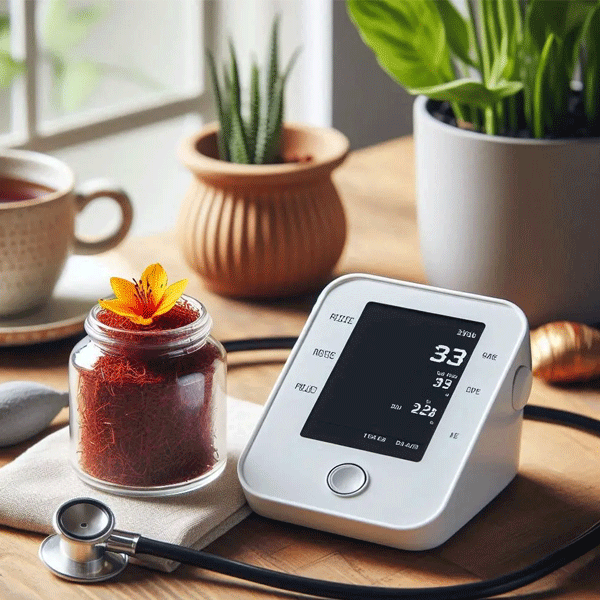
does saffron lower blood pressure
Safranal (The Aroma): Studies show safranal acts as a vasodilator. Simply put, it helps the smooth muscles in your blood vessels relax, widening the pathways and allowing blood to flow with less resistance.
Picrocrocin (The Flavor): While mostly responsible for saffron’s bitter taste, it works synergistically with the other compounds to reduce systemic inflammation.
What Do the Clinical Trials Say?
Human and animal studies paint a promising picture. In double-blind, placebo-controlled trials involving adults with mild hypertension, participants taking a daily saffron extract (usually around 30 to 400 mg depending on the study design) showed a statistically significant drop in both systolic (the top number) and diastolic (the bottom number) blood pressure compared to the placebo group.
Furthermore, researchers noted that saffron did not abnormally lower blood pressure in healthy individuals with normal readings, suggesting it acts as an adaptogen or regulator rather than a blunt hypotensive agent.
Saffron Health Benefits: Explore how modern clinical research validates centuries of traditional wisdom regarding saffron’s therapeutic properties
Comparing Saffron to Other Natural BP Regulators
| Supplement | Primary Mechanism for BP | Secondary Benefits | Cost & Accessibility |
|---|---|---|---|
| Saffron Extract | Vasodilation (Safranal) & Antioxidant (Crocin) | Mood enhancement, better sleep, anti-depressant | High cost, requires careful sourcing for purity |
| Garlic Extract | Increases nitric oxide production | Immune support, cholesterol reduction | Low cost, widely available |
| Hibiscus Tea | Acts as a natural ACE inhibitor | Liver health, weight management | Low cost, easy to consume daily |
| Omega-3 (Fish Oil) | Reduces arterial inflammation | Joint health, brain function | Moderate cost, quality varies by source |
Sourcing Matters: Why Your Grocery Store Saffron Might Not Work
At OriginAndSource.com, we emphasize that a botanical’s origin dictates its efficacy. If you are buying saffron for cardiovascular benefits, culinary-grade dust from the local supermarket won’t cut it.
The medicinal potency of saffron is measured by ISO 3632 standards, which test for the concentration of crocin, picrocrocin, and safranal.
How to buy medicinal-grade saffron:
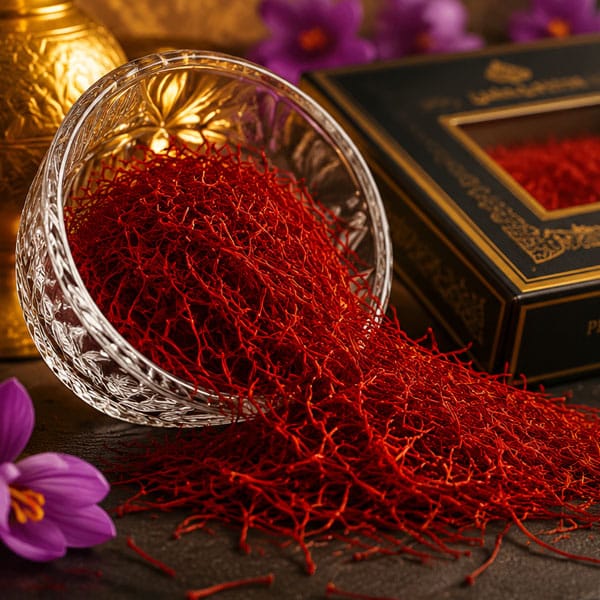
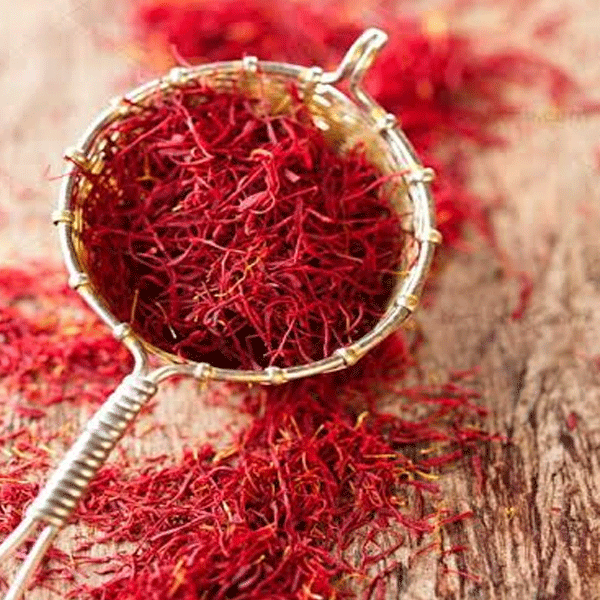
Look for the Grade: You want Super Negin or Sargol grades (primarily sourced from Iran/Persia or Spain). These grades consist only of the deep red stigma tips where the bioactives are concentrated, without the yellow styles (which have zero medicinal value).
Check the Color: It should be a vivid, dark crimson red. If there is a lot of yellow or white mixed in, it’s a lower grade.
Avoid Powders: Ground saffron is highly susceptible to adulteration with turmeric, paprika, or safflower. Always buy whole threads to ensure authenticity.
does saffron lower blood pressure
How to Use Saffron for Blood Pressure (Dosage)
Clinical studies generally use standardized saffron extracts ranging from 28 mg to 30 mg per day.
If you are using whole saffron threads at home:
The Count: 30 mg roughly translates to about 10 to 15 high-quality saffron threads.
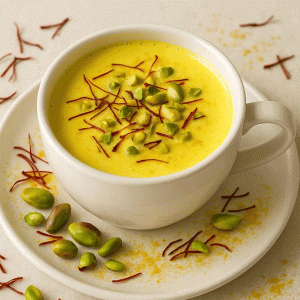
The Brew: The active compounds need to be extracted. Grind the threads lightly, then steep them in warm (not boiling) water or milk for 10-15 minutes.
Consistency is Key: Natural remedies do not work overnight. Studies showing blood pressure improvements typically ran for 8 to 12 weeks.
Safety, Side Effects, and Multi-Step Warnings
While generally safe, saffron is potent. Here is what you must consider before adding it to your routine:
Medication Interactions: If you are already taking prescription antihypertensive drugs (like Lisinopril, Amlodipine, or Losartan), adding saffron could cause your blood pressure to drop too low (hypotension). This can lead to dizziness, fainting, and fall risks.
Pregnancy Warning: Pregnant women should avoid medicinal doses of saffron (anything above normal culinary flavoring) as it can stimulate uterine contractions.
Toxicity: Doses above 5 grams per day are toxic, and doses above 10-20 grams can be fatal. Stick to the 30mg daily range.
Reference:
https://pubmed.ncbi.nlm.nih.gov/36570145/
Records mentioned in this article
Frequently Asked Questions
Unlike pharmaceutical drugs that act within hours, saffron requires cumulative buildup. Most clinical trials observe noticeable drops in blood pressure after 4 to 8 weeks of consistent daily use.
Yes, drinking one cup of saffron tea (using 10-15 threads) daily is considered safe for healthy adults and is the most common way to consume it for cardiovascular health.
They work differently. Hibiscus acts as a mild natural ACE inhibitor, while saffron works through vasodilation and reducing oxidative stress. Hibiscus has more robust, larger-scale clinical backing specifically for blood pressure. However, if your hypertension is stress-induced, saffron might be superior due to its proven anti-anxiety and mood-boosting properties.