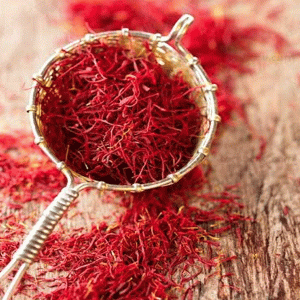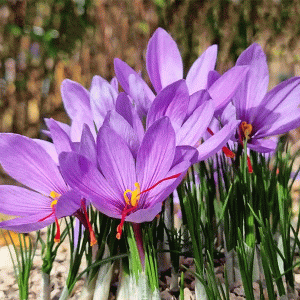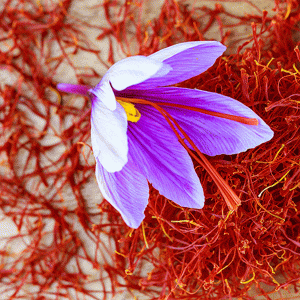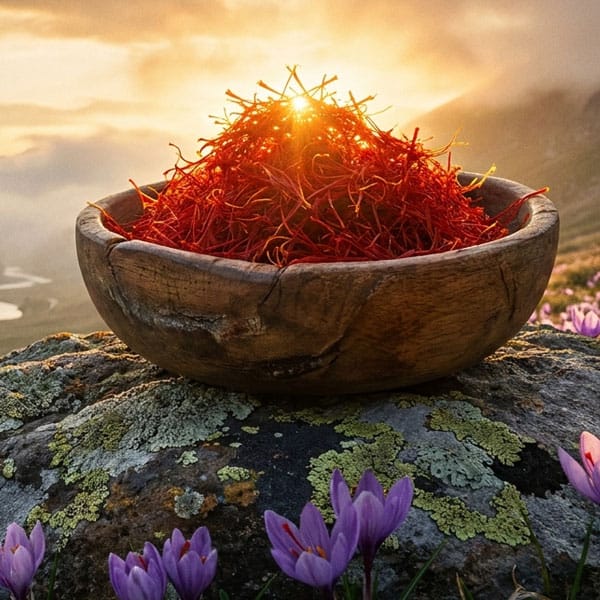
Delve into Krokos Kozanis, the world-renowned PDO saffron from Greece, celebrated for its uniquely intense color and aroma validated by strict ISO 3632 standards. Our comprehensive guide compares its quality and market standing against top Iranian and Spanish varieties, offering a clear, expert perspective. Learn to identify authentic Krokos Kozanis, understand its premium value, and make confident purchasing decisions in a complex global market.
Saffron at a Glance: Key Facts for Buyers & Businesses
| Category | Details |
|---|---|
| Botanical Name | Crocus sativus L. |
| Primary Origins | Iran (90%), Afghanistan, Spain, Kashmir (India), Greece |
| Active Compounds | Crocin (color), Picrocrocin (flavor), Safranal (aroma) |
| Grading Standards | ISO 3632 (Category I–III based on crocin, picrocrocin, safranal levels) |
| Common Grades | Sargol (all-red threads), Negin (premium long threads), Pushal (red + some yellow) |
| Retail Price Range (2026) | 8– 15/gram (premium), 500 – 500– 3,000/kg (bulk, B2B) |
| Key Quality Indicators | Deep red color, minimal yellow threads, strong aroma, moisture <12%, no additives |
| Shelf Life | 2–3 years (airtight, cool, dark storage) |
| Culinary Uses | Paella, risotto, Persian rice, desserts, teas |
| Health Benefits | Antioxidant, mood support, potential anti-inflammatory properties* |
| Buying Tips for Consumers | Buy threads (not powder), check ISO cert, test 2–3 threads in warm water |
| Sourcing Tips for Businesses | Request lab reports (ISO 3632), verify origin docs, sample before bulk orders |
Saffron at a Glance: Key Facts for Buyers & Businesses. Origin, grades, 2026 prices, and purity checks — the essentials for both home and bulk saffron buyers, in one table. Columns: Category, Details. Botanical Name — Crocus sativus L.. Primary Origins — Iran (90%), Afghanistan, Spain, Kashmir (India), Greece. Active Compounds — Crocin (color), Picrocrocin (flavor), Safranal (aroma). Grading Standards — ISO 3632 (Category I–III based on crocin, picrocrocin, safranal levels). Common Grades — Sargol (all-red threads), Negin (premium long threads), Pushal (red + some yellow). Retail Price Range (2026) — 8– 15/gram (premium), 500 – 500– 3,000/kg (bulk, B2B). Key Quality Indicators — Deep red color, minimal yellow threads, strong aroma, moisture <12%, no additives. Shelf Life — 2–3 years (airtight, cool, dark storage).
sourcing expert, I often see buyers default to Persian or Spanish varieties without realizing what they are missing in the Greek terroir. If you are looking for a highly regulated, intensely aromatic, and certified authentic spice, Krokos Kozanis—the exclusive Greek saffron—deserves your attention.
In this guide, we bypass the generic advice to dive deep into the origins, chemical profile, and buying reality of Greek saffron. Whether you are a culinary professional, a boutique spice retailer, or an enthusiast wanting to make an informed purchase, here is what you actually need to know about Krokos Kozanis.
What Makes Krokos Kozanis Unique?
Saffron cultivation in Greece isn’t a modern agricultural experiment; it dates back to the Minoan civilization (around 1500 BC), as depicted in the frescoes of Santorini. Today, authentic Greek saffron is exclusively cultivated in a single region: the villages surrounding Kozani in the region of West Macedonia, Northern Greece.
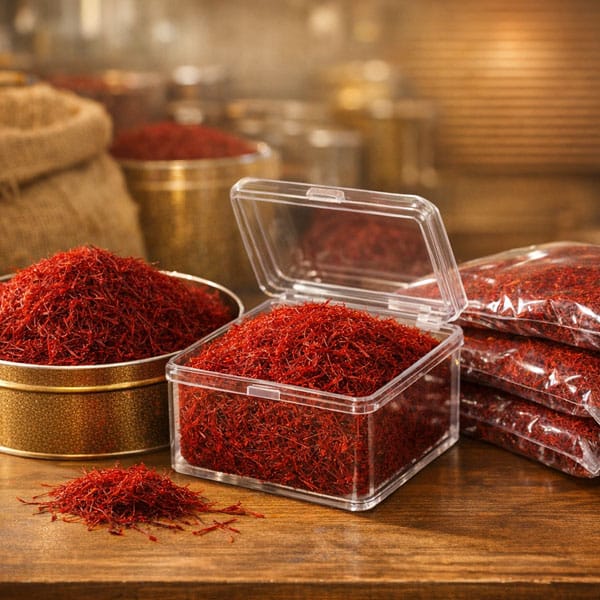
Krokos Kozanis saffron
The specific microclimate of Kozani—characterized by well-drained soil, warm summers, and cool nights—creates a stress environment for the Crocus sativus flower. This natural stress forces the plant to concentrate its essential oils and chemical compounds, resulting in a distinctively robust flavor profile.
In 1999, Krokos Kozanis was awarded PDO (Protected Designation of Origin) status by the European Union. This is crucial for buyers: it means that any saffron labeled “Krokos Kozanis” is legally guaranteed to have been grown, harvested, and processed in this specific geographic area under stringent quality controls.
Saffron Business and Trade Guide: Navigate the global supply chain, verify ISO 3632 standards, and source authentic threads with confidence.
Greek Saffron vs. Persian and Spanish Saffron
| Specification | Greek (Krokos Kozanis) | Persian (Negin/Sargol) | Spanish (La Mancha) |
|---|---|---|---|
| Flavor Profile | Earthy, intensely floral, slightly sweet, with a sharp honey note. | Classic saffron flavor; strong, slightly bitter, and pungent. | Milder, smoky notes (often due to traditional toasting). |
| Color Strength (Crocin) | Very High (Often scoring >250 ISO 3232). Deep red threads. | Extremely High (Super Negin can exceed 270+). | Moderate to High. |
| Quality Assurance | Strict EU PDO regulations. Centralized cooperative quality control. | Varies wildly depending on the supplier. High risk of adulteration. | Strict PDO for “La Mancha” (but check labels, as some “Spanish” is imported). |
| Best Used For | Teas, delicate pastries, seafood, and Mediterranean rice dishes. | Heavy stews, biryanis, marinades, and bulk commercial use. | Paella, traditional European broths. |
How to Buy Krokos Kozanis Without Getting Scammed
Because saffron is worth its weight in gold, it is notoriously faked. Safflower, corn silk dyed with food coloring, and even paper fibers find their way into generic jars. Fortunately, Krokos Kozanis is one of the safest bets in the market if you know what to look for.
The Cooperative Advantage
Unlike other countries where you buy from independent brokers, almost all authentic Greek saffron is processed and distributed through the Cooperative de Safran (The Saffron Producers Cooperative of Kozani). This centralized system is a massive advantage for sourcing, as it ensures uniform grading and limits the entry points for fake products.
Records mentioned in this article
Frequently Asked Questions
This is a legacy of 19th and 20th-century trade routes. Before modern supply chains, Spain mastered the art of grading, drying (toasting), and beautifully packaging saffron for the European and American markets. They built the brands and the distribution networks. Today, they leverage that historical brand equity, importing bulk spice from Asia, processing it to European safety standards, and exporting it globally.
Absolutely. Saffron is not wine; it does not get better with age. Freshly harvested saffron (current crop year) holds the highest levels of Crocin and Safranal. Within 12 to 18 months, volatile oils evaporate, the color dullens, and the spice loses its commercial grade. Always ask a supplier for the specific harvest year, not just the packaging date.
Because over 85% of production is centralized in one country (Iran), the commodity is hyper-sensitive to currency fluctuations, sanctions, and climate events in that specific region. When local currencies devalue, bulk export prices might temporarily drop, but logistical hurdles (shipping, insurance, indirect banking) quickly eat up those margins by the time the product reaches Europe or North America. Diversifying your sourcing to include Afghan or Greek suppliers is a standard risk-mitigation strategy in modern procurement.