Verify Authenticity: Master the essentials of saffron sourcing by learning to accurately identify true origins and uncompromising purity. Navigate the Market: Stay ahead of global trade dynamics, pricing volatility, and emerging supply chain shifts with expert insights. Optimize Strategy: Empower your B2B purchasing decisions to secure premium quality, mitigate risks, and maximize your competitive advantage.
Saffron at a Glance: Key Facts for Buyers & Businesses
| Category | Details |
|---|---|
| Botanical Name | Crocus sativus L. |
| Primary Origins | Iran (90%), Afghanistan, Spain, Kashmir (India), Greece |
| Active Compounds | Crocin (color), Picrocrocin (flavor), Safranal (aroma) |
| Grading Standards | ISO 3632 (Category I–III based on crocin, picrocrocin, safranal levels) |
| Common Grades | Sargol (all-red threads), Negin (premium long threads), Pushal (red + some yellow) |
| Retail Price Range (2026) | 8– 15/gram (premium), 500 – 500– 3,000/kg (bulk, B2B) |
| Key Quality Indicators | Deep red color, minimal yellow threads, strong aroma, moisture <12%, no additives |
| Shelf Life | 2–3 years (airtight, cool, dark storage) |
| Culinary Uses | Paella, risotto, Persian rice, desserts, teas |
| Health Benefits | Antioxidant, mood support, potential anti-inflammatory properties* |
| Buying Tips for Consumers | Buy threads (not powder), check ISO cert, test 2–3 threads in warm water |
| Sourcing Tips for Businesses | Request lab reports (ISO 3632), verify origin docs, sample before bulk orders |
Saffron at a Glance: Key Facts for Buyers & Businesses. Origin, grades, 2026 prices, and purity checks — the essentials for both home and bulk saffron buyers, in one table. Columns: Category, Details. Botanical Name — Crocus sativus L.. Primary Origins — Iran (90%), Afghanistan, Spain, Kashmir (India), Greece. Active Compounds — Crocin (color), Picrocrocin (flavor), Safranal (aroma). Grading Standards — ISO 3632 (Category I–III based on crocin, picrocrocin, safranal levels). Common Grades — Sargol (all-red threads), Negin (premium long threads), Pushal (red + some yellow). Retail Price Range (2026) — 8– 15/gram (premium), 500 – 500– 3,000/kg (bulk, B2B). Key Quality Indicators — Deep red color, minimal yellow threads, strong aroma, moisture <12%, no additives. Shelf Life — 2–3 years (airtight, cool, dark storage).
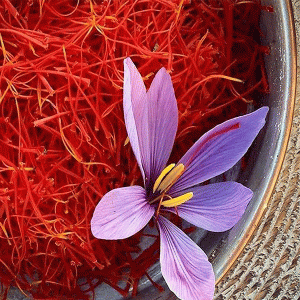
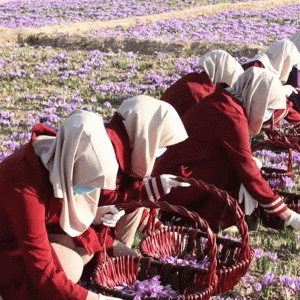
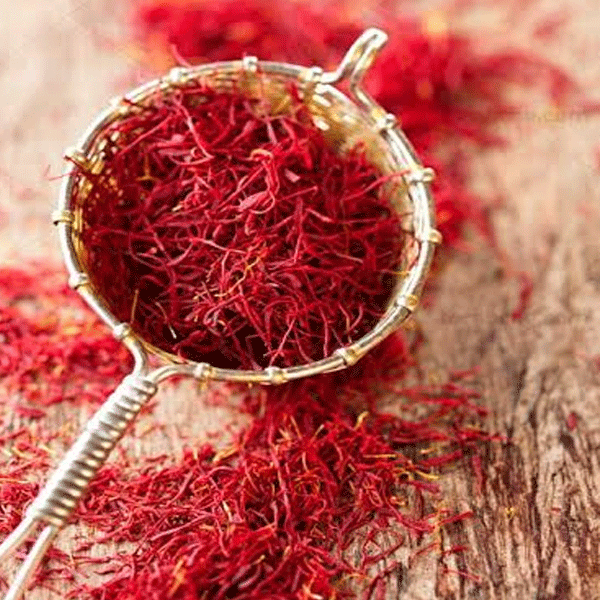
If you’ve ever sourced authentic saffron, you know the ritual. You inspect the deep red threads, assess the brittle texture, and inhale that unmistakably complex, earthy, and sweet aroma. It takes about 75,000 hand-picked flowers to produce just one pound of the spice.
But what happens when that exact chemical profile is replicated in a stainless steel bioreactor in a matter of days, completely bypassing the soil, the sun, and the grueling manual labor?
In my years analyzing spice supply chains, few innovations have sparked as much debate as lab-grown saffron. Let’s break down exactly what this technology is, how it stacks up against the real thing, and what it means for buyers, chefs, and the future of the “red gold.”
What Exactly is Lab-Grown Saffron?
Lab-grown saffron isn’t a synthetic, petroleum-based fake. It is biologically identical to the active compounds found in the crocus flower. Startups in this space typically use two methods:
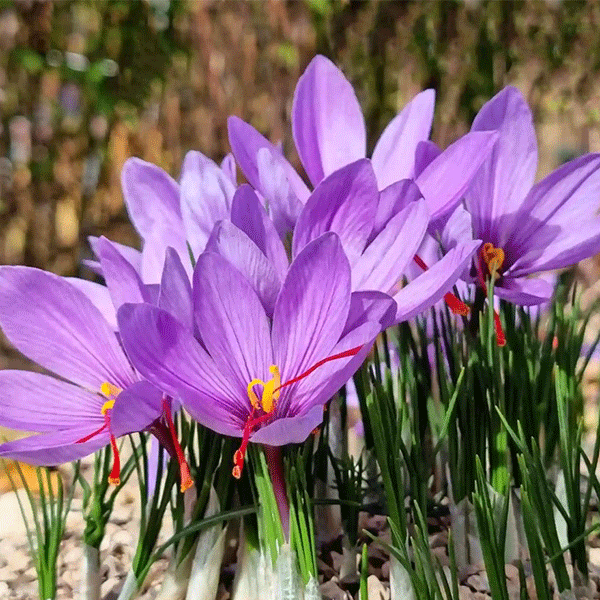
Lab-grown saffron
Precision Fermentation: Using genetically modified yeast or bacteria to brew the specific molecules of saffron (much like brewing beer).
Plant Cell Culture: Taking real saffron plant cells and multiplying them in a nutrient-rich liquid medium inside a bioreactor.
Both methods isolate and produce the “holy trinity” of saffron quality:
Crocin: The compound responsible for the vibrant red-yellow color.
Picrocrocin: The element that provides the bitter, earthy flavor.
Safranal: The volatile oil that gives saffron its distinct, hay-like aroma.
Saffron Business and Trade Guide: A comprehensive professional resource for mastering the saffron trade, from verifying authentic origins and purity to navigating global market dynamics.
The Showdown: Traditional vs. Lab-Grown Saffron
| Sourcing Criteria | Traditional Saffron (Field-Grown) | Lab-Grown Saffron (Cell-Cultured) |
|---|---|---|
| Physical Form | Distinctive red threads (stigmas). Visual proof of authenticity. | Typically a liquid extract or fine powder. No thread structure. |
| Flavor Complexity | Over 150 volatile compounds creating a complex, terroir-driven profile. | Highly concentrated in the main 3 compounds, but may lack subtle secondary notes. |
| Price Point | High volatility. Ranges from 2,000to 5,000+ per pound. | Projected to be a fraction of the cost once scaled industrially. Stable pricing. |
| Supply Chain Risk | Vulnerable to climate change, droughts, and seasonal labor shortages. | Climate-resilient. Consistent year-round production independent of weather. |
| Best Application | Fine dining, traditional recipes, luxury gifting, artisanal goods. | Nutraceuticals, mass-market cosmetics, processed foods, beverages. |
How the Market Will Actually Split
To understand if the market will be “destroyed,” we have to look at who is actually buying saffron today.
1. The Industrial Market (The Disrupted)
Currently, a massive amount of global saffron goes into natural food colorings, dietary supplements (often marketed for mood enhancement and eye health), and high-end cosmetics. These manufacturers don’t care about the romance of hand-picked threads; they care about the concentration of Crocin and Safranal, consistency, and avoiding the rampant fraud in the spice supply chain.
For these B2B buyers, lab-grown saffron is a miracle. It promises zero pesticide residue, no heavy metals, exact chemical consistency, and a lower, stable price. In this sector, traditional saffron will likely be replaced.
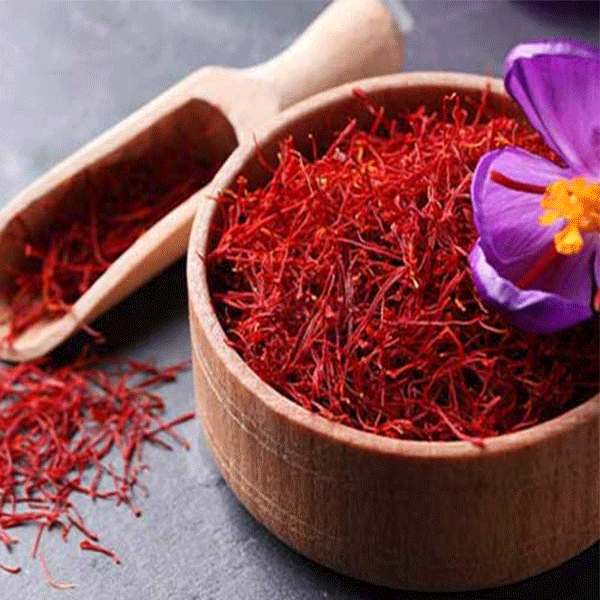
Lab-grown saffron
2. The Culinary and Luxury Market (The Untouchables)
Imagine a Michelin-starred chef making a traditional Paella Valenciana or a Persian Tahchin. The visual appeal of the blooming crimson threads in hot water is non-negotiable. Saffron is as much an experience and a cultural heritage as it is a flavor.
Furthermore, agricultural saffron features terroir—subtle flavor differences based on the soil and climate of regions like Khorasan, La Mancha, or Kashmir. A bioreactor powder cannot replicate the storytelling, the visual garnish, or the complete 150-compound symphony of real threads. In this sector, traditional saffron will remain highly sought after.
The Hidden Threat: It’s Not the Lab, It’s the Climate
When speaking with farmers and exporters, the fear isn’t necessarily the scientists in white coats; it’s the changing weather. The saffron crocus is incredibly sensitive to temperature and rainfall. Prolonged droughts and erratic frosts are already severely impacting yields in major producing regions, driving prices higher and pushing farmers out of the business.
Ironically, lab-grown saffron might end up saving the traditional market by taking the pressure off agricultural yields. By supplying the high-volume industrial demand, cellular agriculture could allow traditional farmers to focus entirely on low-yield, ultra-premium, artisanal harvests for the luxury market.
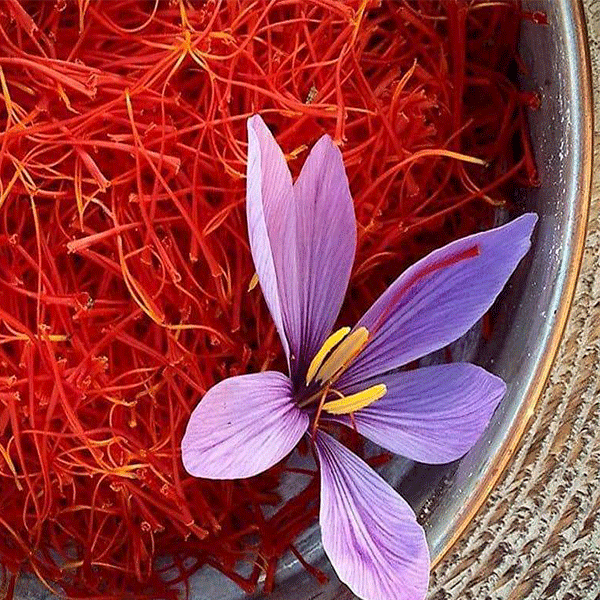
Lab-grown saffron
Which Saffron Should You Source?
If you are a product manager, chef, or sourcing director, here is how you should frame your purchasing decisions moving forward:
You should source Traditional Thread Saffron if: Your end consumer interacts with the visual appearance of the spice, your brand identity relies on natural/heritage storytelling, or you are producing artisanal culinary products where complex flavor nuances are critical.
You should source Lab-Grown Saffron (Extract/Powder) if: You are formulating a nutraceutical capsule, creating a skincare serum, brewing a functional beverage, or need strict, scalable, and standardized dosing of Crocin or Safranal without the threat of crop-failure price hikes.
Lab-grown saffron will not destroy the traditional market; it will evolve it. We are entering an era where saffron will transition from a single, volatile agricultural commodity into a dual-stream market. The bioreactors will claim the industrial scale, while the sun-drenched fields will cater to culinary purists. For the informed buyer, this means more choices, better price stability in manufacturing, and a continued appreciation for the rare, hand-harvested red gold.
Records mentioned in this article
Frequently Asked Questions
No. The market will split into two tiers: lab-grown will dominate industrial, cosmetic, and supplement sectors, while traditional threads will remain the gold standard for luxury culinary and heritage markets.
No. It is biologically identical. It uses precision fermentation or plant cell culture to create the exact same natural compounds (Crocin, Picrocrocin, and Safranal) found in the real flower, just without the soil.
Climate change. Erratic weather, frosts, and prolonged droughts are severely impacting crop yields and driving up prices much faster than competition from lab-grown alternatives.