Discover the profound therapeutic power of saffron (Kumkuma), an elite Ayurvedic botanical traditionallyDiscover the profound therapeutic power of saffron (Kumkuma), an elite Ayurvedic botanical traditionally used to elevate mood, support reproductive health, and rejuvenate the skin. Unlocking its true medicinal potential requires precise activation methods and strict sourcing to ensure you are investing in pure, high-grade stigmas rather than common counterfeits. Explore our comprehensive guide to mastering the energetic profile, traditional preparation, and safe integration of medicinal-grade saffron into your daily wellness routine.
Long before it became the world’s most expensive culinary spice, saffron (Crocus sativus) was revered as a potent pharmacological agent. In our years of analyzing botanical supply chains and traditional remedies at OriginAndSource, we have seen saffron consistently stand out not just for its aroma, but for its profound therapeutic footprint.
In Ayurveda, saffron is known as Kumkuma. It is classified as an elite herb—one that bridges the gap between physical healing and mental clarity. But how exactly is it used, and more importantly, how can you integrate it into a modern wellness routine effectively and safely?
Let’s break down the traditional applications, the energetic profile of the spice, and how to make informed decisions when sourcing saffron for medicinal use.
The Ayurvedic Profile of Saffron (Energetics and Doshas)
To understand how saffron works in traditional medicine, you have to look past its nutritional label and understand its energetic properties (its Guna, Rasa, and Virya).
Ayurveda does not treat symptoms; it balances systems. Here is how saffron interacts with the human body according to ancient texts:
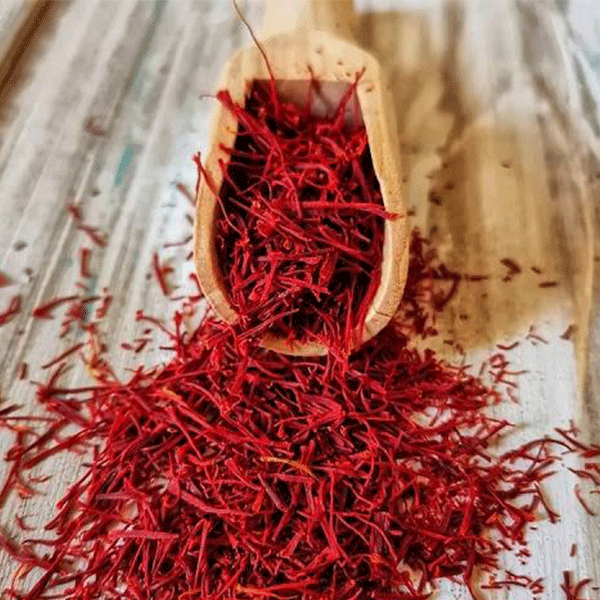
Saffron in Ayurveda
Rasa (Taste): Bitter (Tikta) and Pungent (Katu).
Virya (Potency): Heating (Ushna). Saffron generates warmth in the body, stimulating circulation and metabolic fires.
Vipaka (Post-Digestive Effect): Pungent.
Dosha Impact: It powerfully pacifies Vata (air/space) and Kapha (water/earth) due to its warming nature. However, because it is inherently heating, individuals with high Pitta (fire) must use it sparingly or pair it with cooling agents like milk or rose water to prevent overheating the system.
Core Therapeutic Uses in Traditional Medicine
When we look at historical pharmacopeias, from Persian traditional medicine to Indian Ayurveda, saffron is rarely used as a standalone cure for a simple cold. It is reserved for complex, systemic issues.
1. Mental Health and Nervous System Support (Medhya)
Modern science is currently fascinated by saffron’s impact on serotonin and dopamine, but Ayurveda recognized its neuro-protective properties centuries ago. It is classified as a Medhya Rasayana (a rejuvenator of the intellect). Traditional practitioners prescribe saffron-infused milk to alleviate symptoms of mild to moderate depression, chronic anxiety, and cognitive decline. It calms the nervous system while simultaneously uplifting the mood.
2. Women’s Health and Menstruation (Artava Janana)
Saffron is a powerful emmenagogue. In traditional Persian and Ayurvedic medicine, it is used to stimulate blood flow to the pelvic area and uterus. For women suffering from amenorrhea (absence of menstruation) or severe dysmenorrhea (painful periods), a few threads steeped in warm water or milk a week before the cycle can ease spasms and regulate flow.
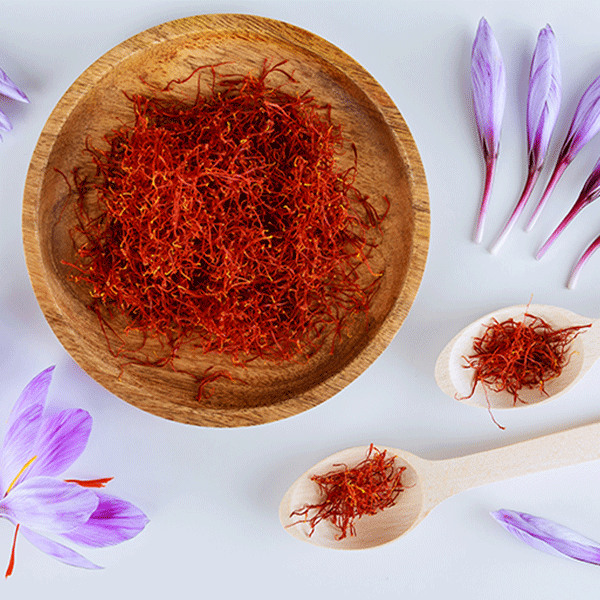
Saffron in Ayurveda
3. Skin Rejuvenation and Complexion (Varnya)
If you look at high-end Ayurvedic skincare today, you will find Kumkumadi Tailam (Saffron oil). Traditionally, saffron is applied topically—often ground into a paste with sandalwood and milk—to treat acne, reduce pigmentation, and deliver a radiant glow. Its high antioxidant content (crocin and crocetin) neutralizes free radicals that cause premature aging.
4. Digestive Fire and Metabolism (Deepana & Pachana)
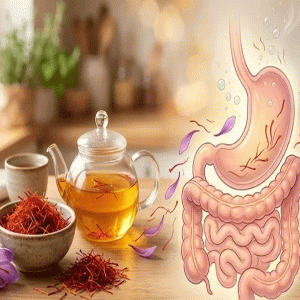
Because of its heating potency, saffron kindles the Agni (digestive fire). It is frequently used in traditional formulations to clear out toxins (Ama) from the liver and spleen, improving nutrient absorption and settling an upset stomach.
Saffron Health Benefits: “Beyond its traditional roots, modern clinical research confirms that saffron’s potent antioxidants offer targeted, evidence-based support for mental well-being, cognitive health, and inflammation management.”
Saffron vs. Other Ayurvedic Powerhouses
| Feature / Benefit | Saffron (Kumkuma) | Turmeric (Haridra) | Ashwagandha |
|---|---|---|---|
| Primary Strength | Mood elevation, complexion, reproductive health. | Systemic inflammation, joint pain, immunity. | Stress adaptation, physical stamina, deep sleep. |
| Energetic Potency | Warming (Use with milk to balance Pitta). | Warming and drying. | Warming and grounding. |
| Ideal Form of Intake | Steeped in warm milk or water; topical oils. | Cooked with fats (ghee) and black pepper. | Powder mixed with warm milk or as a capsule. |
| Cost & Sourcing Difficulty | Very High. Extreme risk of adulteration. | Low. Widely available and safe. | Moderate. Look for KSM-66 extract. |
How to Prepare and Consume Saffron for Health
To unlock saffron’s medicinal compounds, it must be activated. Eating dry threads will yield almost no therapeutic benefit.
The Traditional Method (Kesar Doodh):
Take 3 to 5 high-quality saffron threads.
Crush them gently using a mortar and pestle (or your fingers).
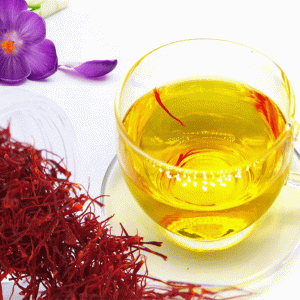
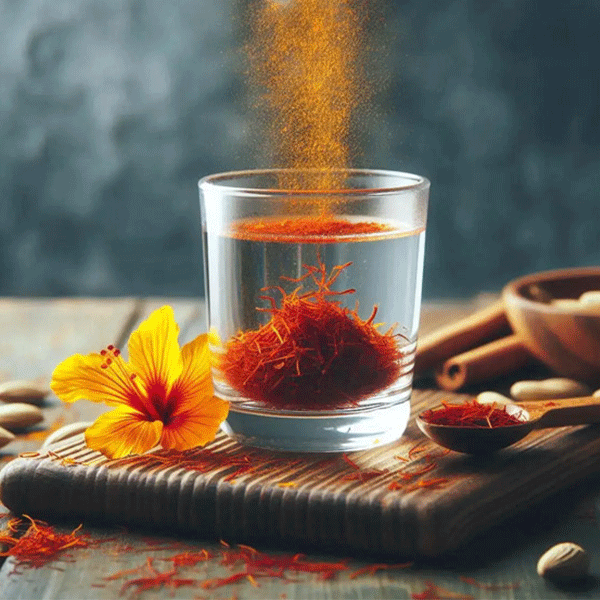
Soak the crushed threads in 2 tablespoons of warm water or milk for at least 15-20 minutes. The liquid should turn a deep, vibrant golden-yellow.
Stir this concentrate into a warm cup of milk (dairy or almond). You can add a pinch of cardamom or a raw almond for added neuro-support.
Consume before bedtime to promote deep sleep and tissue repair.
Saffron in Ayurveda
Sourcing Medicinal-Grade Saffron: A Buyer’s Guide
As sourcing experts, we cannot stress this enough: culinary-grade saffron from a standard supermarket will often fail to deliver therapeutic results. Much of the commercial saffron is old, improperly dried, or mixed with dyed corn silk and safflower.
When buying saffron for Ayurvedic applications, you are looking for high levels of Crocin (color), Picrocrocin (flavor/bitterness), and Safranal (aroma).
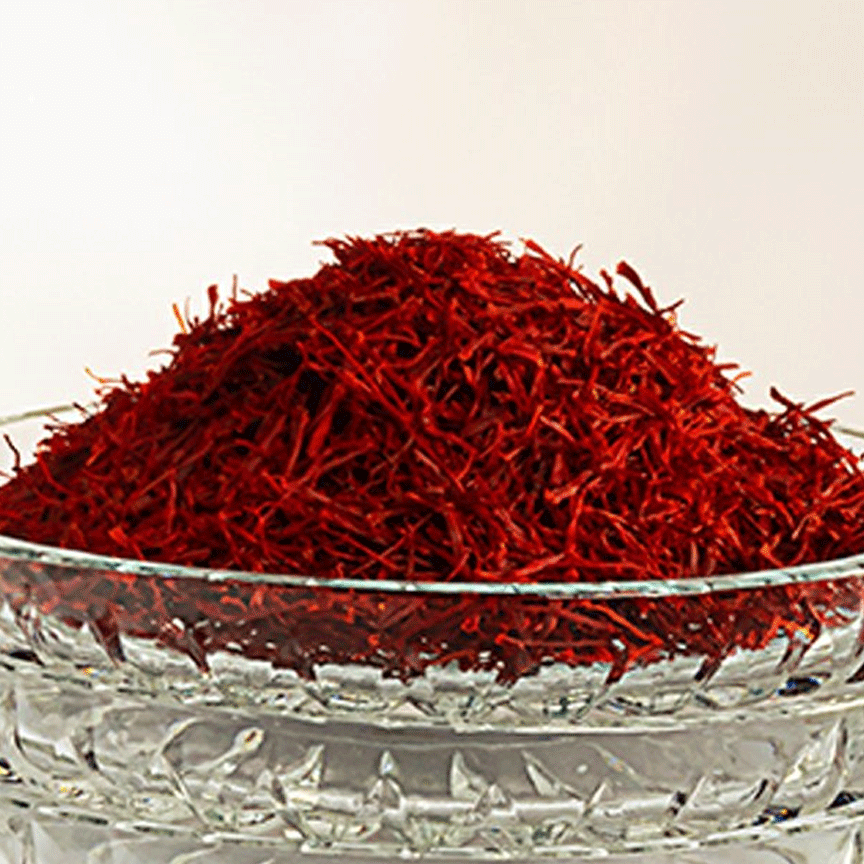
Grade Matters: Look for “Sargol” or “Super Negin” grades. These consist only of the red stigma tips, where the active medicinal compounds are concentrated. Avoid “Bunch” or “Pushal” grades which include the yellow style (yielding dead weight and zero medicinal value).
The Water Test: Real saffron takes at least 10–15 minutes to release its color into warm water, and the thread itself will remain red. Fake dyed saffron will instantly turn the water red, and the thread will turn white.
Origin Check: Iran produces over 90% of the world’s saffron, though Kashmiri saffron (India) is highly prized in Ayurveda for its thicker stigmas and potent aroma. Spanish saffron (La Mancha) is excellent but often milder.
Reference:
https://www.ncbi.nlm.nih.gov/pmc/articles/PMC4599112/
Records mentioned in this article
Frequently Asked Questions
It must be activated before consumption. You should gently crush 3–5 threads and soak them in warm water or milk for 15–20 minutes. Eating dry threads yields almost no therapeutic benefit.
Buyers should look for Sargol or Super Negin grades. These consist purely of the red stigma tips where the active medicinal compounds (crocin, picrocrocin, and safranal) are highly concentrated.
It is strictly contraindicated during the first trimester, as its uterine-stimulating properties can risk miscarriage. While traditional medicine sometimes uses tiny amounts in the third trimester, it should only be consumed under the strict guidance of an obstetrician.