Saffron is a potent, natural neuroprotectant that leverages compounds like crocin to fight oxidative stress, prevent memory loss, and elevate mood as we age. For optimal cognitive support, a consistent daily dose of 30mg of authentic, high-grade saffron is recommended over 4 to 6 weeks. At Origin & Source, we supply the highest purity Super Negin saffron for both the culinary and nutraceutical industries; reach out today to discuss wholesale sourcing and B2B partnerships.
As we get older, forgetting where we put our keys or struggling to recall a name can start to feel like a routine frustration. For years, people have turned to synthetic supplements or puzzles to keep their minds sharp. However, working closely with premium spices in the agricultural trade, I’ve seen firsthand how often modern science is simply catching up to ancient wisdom.
Saffron is world-renowned for its distinct flavor and vibrant color, but its most valuable asset might be hidden in its biochemistry. Let’s break down exactly how this “red gold” acts as a shield for your aging brain, how to use it, and what you need to know before you make a purchase.
How Saffron Fights Cognitive Decline
The secret to saffron’s neuroprotective power lies in its primary active compounds: Crocin, Crocetin, and Safranal.
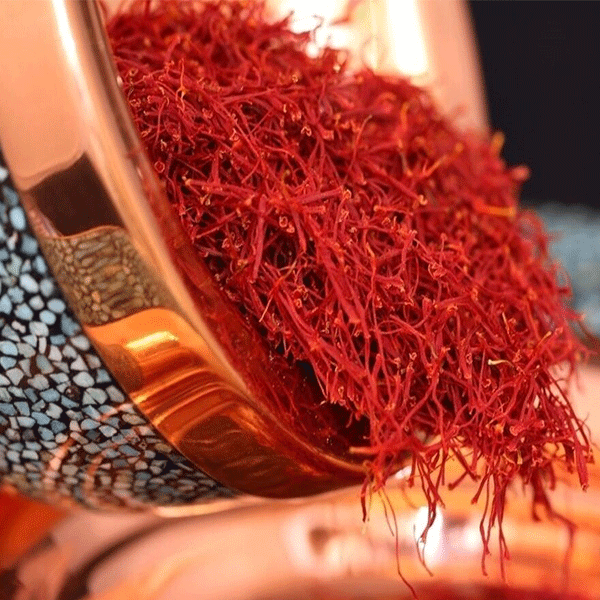
saffron for memory
When your brain ages, it faces oxidative stress and inflammation, which damage neurons and lead to cognitive decline (and conditions like Alzheimer’s). Crocin, the antioxidant responsible for saffron’s deep red pigment, acts as a scavenger. It neutralizes free radicals in the brain, reducing inflammation and preventing the accumulation of amyloid-beta plaques—the sticky proteins associated with Alzheimer’s disease.
Safranal, which gives saffron its unique aroma, helps regulate neurotransmitters like serotonin and dopamine, improving mood and focus. Together, they don’t just protect the brain; they actively promote a better environment for memory retention and learning.
Health Benefits of Saffron: The Impact of Saffron on Health
Saffron vs. Other Brain Supplements: Which is Better?
| Supplement | Primary Mechanism | Best For | Onset of Results |
|---|---|---|---|
| Premium Saffron (Crocin) | Reduces oxidative stress & neuro-inflammation | Memory retention, plaque prevention, and mood elevation | 4 to 6 weeks |
| Ginkgo Biloba | Increases cerebral blood flow | General alertness and short-term focus | 4 to 12 weeks |
| Omega-3 (DHA/EPA) | Builds cell membranes in the brain | Long-term brain structure maintenance | Months to years (preventative) |
The Multi-Step Guide: Dosage, Timing, and Expectations
Search engines and users alike often ask layered questions when it comes to health. Here is exactly what you need to know about starting a saffron regimen for your brain:
1. How much saffron do I need daily for memory support?
Clinical studies consistently point to a dosage of 30 milligrams per day of high-quality saffron extract (often split into 15mg twice a day). If you are using whole threads, this equates to roughly 10 to 15 premium threads brewed into a tea or infused into your daily meals.
2. How long does it take to see cognitive improvements?
Saffron is not a stimulant like caffeine; it heals and protects over time. Most clinical trials show measurable improvements in cognitive function and mood stabilization after 4 to 6 weeks of consistent daily use.
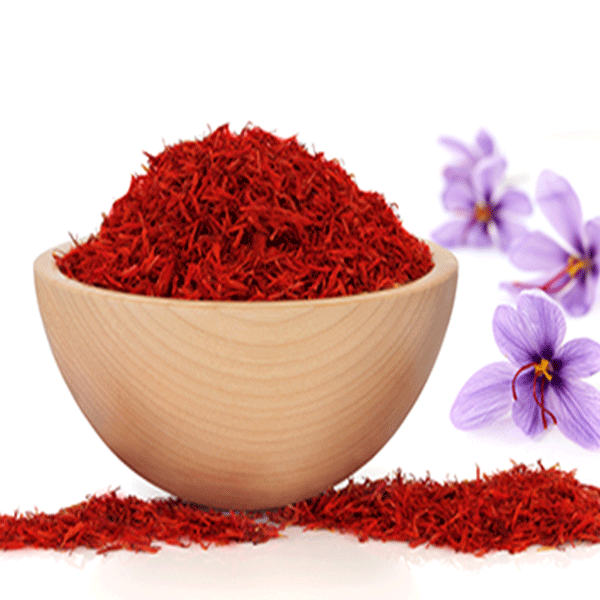
saffron for memory
3. Are there any side effects?
At the recommended 30mg dose, saffron is highly safe and well-tolerated. However, extreme doses (above 1.5 grams per day) can cause complications. Always stick to culinary or standard supplement dosages.
The Buyer’s Dilemma: How to Choose Saffron for Health
If you are buying saffron for its neuroprotective benefits, the quality of the spice is non-negotiable. The market is unfortunately flooded with adulterated products—dyed corn silk, safflower, or old, degraded threads that contain zero crocin.
When making your purchasing decision, look for the following:
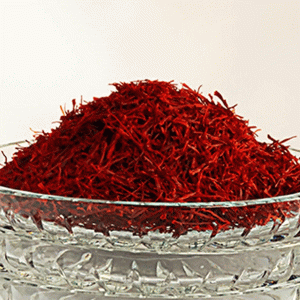
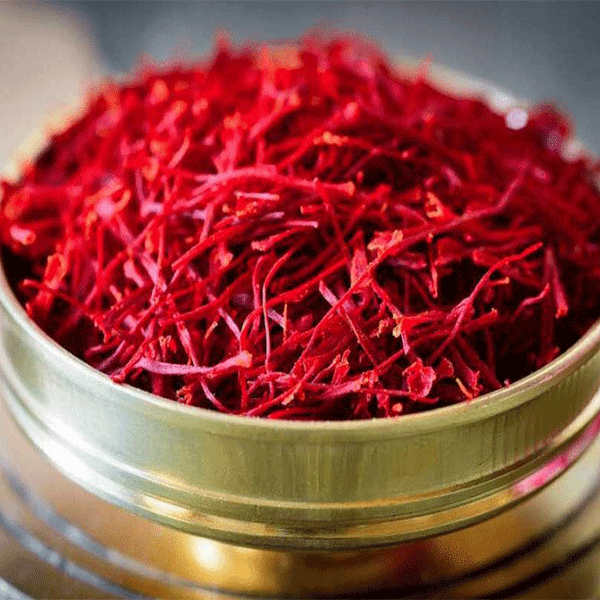
Grade: Opt for Super Negin or Sargol cuts. These contain only the red stigma tips, which hold 100% of the active medicinal compounds.
Aroma: Authentic saffron smells sweet and floral, but it should never taste sweet.
The Water Test: When steeped in warm water, real saffron slowly releases a golden-yellow hue over 15 minutes. Fake saffron immediately turns the water dark red and the thread loses its color instantly.
Choosing genuine, high-grade saffron ensures that your investment actually translates into the health benefits you are seeking.
Reference:
https://pubmed.ncbi.nlm.nih.gov/19838862/
Records mentioned in this article
Frequently Asked Questions
Yes. Drinking a cup of saffron tea daily (steeping about 10-15 threads in warm, not boiling, water) is an excellent and safe way to consume your daily 30mg for brain health.
Saffron cannot cure or completely reverse Alzheimer’s. However, clinical studies have shown that it can be as effective as some conventional medications (like Donepezil) in managing symptoms of mild to moderate Alzheimer’s, slowing down cognitive decline.
High, prolonged heat can degrade crocin and safranal. To preserve its medicinal properties, it is best to steep crushed saffron in warm water or milk, or add it at the very end of your cooking process rather than boiling it for hours.