When dealing in the international spice trade, the leap from retail buying to bulk importing introduces a steep curve of risks, regulations, and quality control requirements. Cinnamon is one of the most frequently adulterated and misrepresented spices in the global market. The financial implications of receiving a container of misgraded, high-moisture, or misidentified bark can be devastating for an importer.
If you plan to buy ceylon cinnamon bulk for your distribution network, processing facility, or retail brand, relying solely on a supplier’s word is a fast track to supply chain failure. Establishing strict procurement standards is non-negotiable. To understand the historical context and the sheer scale of this spice’s global movement, you should first consult the cinnamon record.
For serious buyers, navigating the sourcing process requires a rigorous, technical approach. Below is the definitive, experience-based checklist every importer must use when negotiating and verifying bulk cinnamon shipments.
1. Species Verification: The Coumarin Test
The fundamental divide in the cinnamon market is between Cinnamomum verum (True Ceylon Cinnamon) and the various species of Cassia (Cinnamomum cassia, burmannii, or loureiroi). While whole quills are visually distinct, the global supply chain heavily relies on ground processing.
buy ceylon cinnamon bulk
Here is the most critical rule for importers dealing with milled spices: a laboratory coumarin test is the only definitive way to identify the species in powder form.
Cassia cinnamon contains significantly high levels of coumarin (often up to 1%), a naturally occurring chemical compound that acts as a hepatotoxin. True Ceylon cinnamon contains merely trace amounts (usually less than 0.004%). Because of these health risks, the European Food Safety Authority (EFSA) and the German Federal Institute for Risk Assessment (BfR) have established strict Tolerable Daily Intake (TDI) limits for coumarin.
When drafting your purchase order, mandate an independent lab analysis (such as HPLC testing) for coumarin content before the container is sealed. If a supplier refuses third-party species verification, walk away.
2. Precise Grade Specifications
Cinnamon grading—particularly for Ceylon—is an intricate system based on the diameter of the quills, color, and essential oil content. It dictates the pricing structure and the end-use application of the product.
You cannot simply order “Premium Ceylon Cinnamon.” You must explicitly define the grade you are quoting on in your commercial contract.
Alba: The thinnest, most expensive quills (barely 6mm in diameter), prized for high-end retail.
Continental (C5 Special, C5, C4): Highly sought after in European markets, characterized by a sweet profile and golden-brown color.
Mexican (M5, M4): Slightly rougher and thicker, favoring the Latin American profile.
Hamburg (H1, H2): Thicker, darker quills generally used for essential oil extraction or commercial grinding.
If you leave the grade ambiguous, you will inevitably receive a blended shipment heavily weighted toward lower-value, thicker bark.
3. Moisture Content Limits
Moisture control is the silent killer of bulk spice imports. Cinnamon is hydroscopic; it will absorb moisture from the surrounding environment. When shipping sea freight—often crossing the equator where extreme temperature fluctuations cause “container sweat”—excess baseline moisture will lead to catastrophic Aspergillus mold growth and subsequent aflatoxin contamination.
Your contract must specify a maximum moisture content of 12% to 14%, depending on the destination market’s specific ISO standards.
Too high (>14%): Severe risk of mold and fermentation during transit.
Too low (<10%): The quills become excessively brittle, leading to a high percentage of “quillings” (broken pieces) upon arrival, destroying the visual value of high-grade bark.
Require a pre-shipment moisture analysis and mandate the use of desiccant bags or Kraft paper lining inside the shipping container to mitigate humidity variations.
buy ceylon cinnamon bulk
4. Certificate of Origin (CoO)
A Certificate of Origin is not just a customs formality; it is an essential piece of anti-fraud documentation. True Ceylon cinnamon is indigenous to, and almost exclusively commercially cultivated in, Sri Lanka.
If you are paying the premium for Ceylon, your shipment must be accompanied by a CoO issued by the Sri Lankan Export Development Board (EDB) or the relevant national chamber of commerce. The Sri Lankan government strictly regulates the “Ceylon Cinnamon” geographical indication (GI). A genuine CoO ensures that the product has not been transshipped through a secondary country where it could be blended with cheaper Indonesian or Vietnamese Cassia. Furthermore, the CoO dictates tariff classifications and import duty rates, which directly impact your landed cost.
5. Physical Inspection and Phytosanitary Standards
For whole quills, your quality assurance protocol must include a rigorous visual and physical assessment. Before authorizing the final balance payment, require pre-shipment samples from the actual production lot.
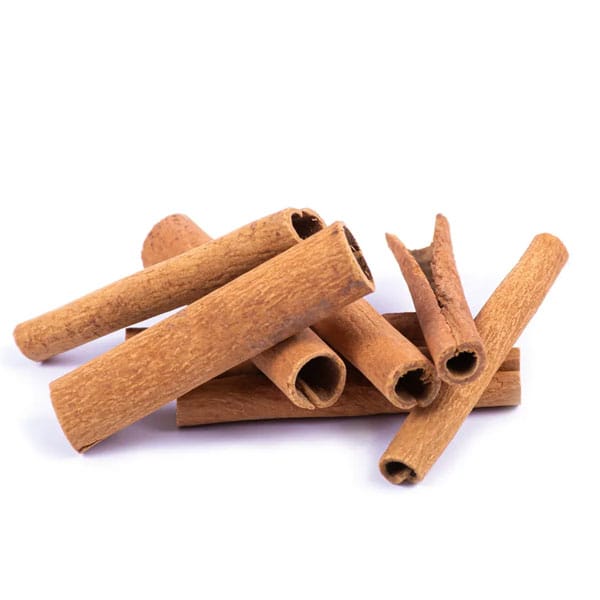
Once your team receives the sample, they must know how to check the bark yourself. This includes inspecting the fragility of the quills (Ceylon should be easily crushable by hand, resembling a rolled-up cigar with multiple ultra-thin layers), checking for uniform color without excessive dark foxing, and ensuring the absence of insect damage or foreign matter.
Additionally, a Phytosanitary Certificate issued by the exporting country’s agricultural authority is legally required for import clearance in almost all Western countries to prove the shipment is free from regulated pests.
Bulk Cinnamon Importer’s Specification Sheet
| Specification Parameter | Ideal Target (Ceylon) | Importer Notes & Tolerances |
|---|---|---|
| Moisture Content | Max 12.0% – 14.0% | Critical for preventing mold during sea freight. |
| Coumarin Content | < 0.004% | Only definitive test for species in powder form. Mandatory for EU compliance. |
| Volatile Oil (V.O.) | Min 1.0% – 1.5% | Determines aroma and flavor potency. Drops in older stock. |
| Total Ash | Max 5.0% | Indicates the presence of inorganic impurities (dirt, sand). |
| Acid Insoluble Ash | Max 1.0% | Strict limit to ensure hygienic processing and drying environments. |
Bulk sourcing requires a transition from trusting the supplier to verifying the data. By mandating coumarin tests for powders, defining exact grades, controlling moisture, and demanding proper origin certification, importers can secure their supply chains against the widespread adulteration that plagues the global spice trade. The cost of comprehensive laboratory testing and meticulous contract drafting is negligible compared to the financial ruin of a rejected container at the destination port.
Records mentioned in this article

Frequently Asked Questions
Because visual identification is impossible once milled. A laboratory coumarin test is the only definitive way to identify the species in powder form, making it easy for suppliers to quietly cut expensive Ceylon with cheaper Cassia.
Specify a maximum moisture content of 14% in your contract, require pre-shipment lab reports, and mandate that the supplier uses desiccant packets and kraft paper lining inside the shipping container to absorb condensation.
Yes. Beyond proving authenticity, the Certificate of Origin (often from Sri Lanka for true Ceylon) is legally required by customs authorities to determine your import tariffs and ensure compliance with geographical trade agreements.