Discover the ultimate guide to baking a flawlessly moist and fluffy golden saffron cake, blending culinary science with premium ingredient sourcing. Master advanced techniques—from the optimal ice-cube blooming method for Super Negin saffron to the hybrid-fat approach for an exceptionally tender crumb. Equip yourself with expert troubleshooting tips and a precise baking matrix to ensure bakery-quality perfection in every slice.
Saffron at a Glance: Key Facts for Buyers & Businesses
| Category | Details |
|---|---|
| Botanical Name | Crocus sativus L. |
| Primary Origins | Iran (90%), Afghanistan, Spain, Kashmir (India), Greece |
| Active Compounds | Crocin (color), Picrocrocin (flavor), Safranal (aroma) |
| Grading Standards | ISO 3632 (Category I–III based on crocin, picrocrocin, safranal levels) |
| Common Grades | Sargol (all-red threads), Negin (premium long threads), Pushal (red + some yellow) |
| Retail Price Range (2026) | 8– 15/gram (premium), 500 – 500– 3,000/kg (bulk, B2B) |
| Key Quality Indicators | Deep red color, minimal yellow threads, strong aroma, moisture <12%, no additives |
| Shelf Life | 2–3 years (airtight, cool, dark storage) |
| Culinary Uses | Paella, risotto, Persian rice, desserts, teas |
| Health Benefits | Antioxidant, mood support, potential anti-inflammatory properties* |
| Buying Tips for Consumers | Buy threads (not powder), check ISO cert, test 2–3 threads in warm water |
| Sourcing Tips for Businesses | Request lab reports (ISO 3632), verify origin docs, sample before bulk orders |
Saffron at a Glance: Key Facts for Buyers & Businesses. Origin, grades, 2026 prices, and purity checks — the essentials for both home and bulk saffron buyers, in one table. Columns: Category, Details. Botanical Name — Crocus sativus L.. Primary Origins — Iran (90%), Afghanistan, Spain, Kashmir (India), Greece. Active Compounds — Crocin (color), Picrocrocin (flavor), Safranal (aroma). Grading Standards — ISO 3632 (Category I–III based on crocin, picrocrocin, safranal levels). Common Grades — Sargol (all-red threads), Negin (premium long threads), Pushal (red + some yellow). Retail Price Range (2026) — 8– 15/gram (premium), 500 – 500– 3,000/kg (bulk, B2B). Key Quality Indicators — Deep red color, minimal yellow threads, strong aroma, moisture <12%, no additives. Shelf Life — 2–3 years (airtight, cool, dark storage).
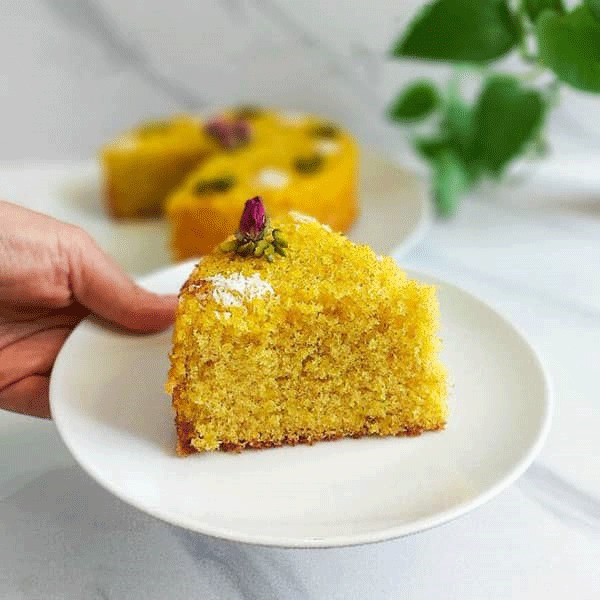
There is a distinct moment when a saffron cake is in the oven, and the entire house transforms. The warm, floral, slightly earthy aroma of the world’s most prized spice fills the kitchen, promising something spectacular. But achieving that perfect balance—a cake that is brilliantly golden, intensely flavorful, yet incredibly moist and fluffy—requires more than just mixing ingredients in a bowl.
As a product sourcing and ingredient specialist for OriginAndSource.com, I evaluate raw materials rigorously. I can tell you firsthand that the success of this bake comes down to two critical factors: the quality of the saffron you source and the scientific balance of fats and liquids in your batter.
Here is the exact method, ingredient breakdown, and baking science you need to master the golden saffron cake.
The Science of the Crumb: Why Most Cakes Fail
If you are wondering why some cakes turn out dense while others melt in your mouth, the answer lies in hydration and mixing technique.
To achieve a fluffy texture, you must master creaming—the process of beating butter and sugar to trap air. To keep it moist for days, you need a hybrid fat approach. Using only butter provides excellent flavor and structure, but because butter hardens at room temperature, 100% butter cakes dry out quickly. By replacing a small portion of the butter with a neutral oil (which remains liquid at room temperature), you guarantee a sustained, moist crumb for days.
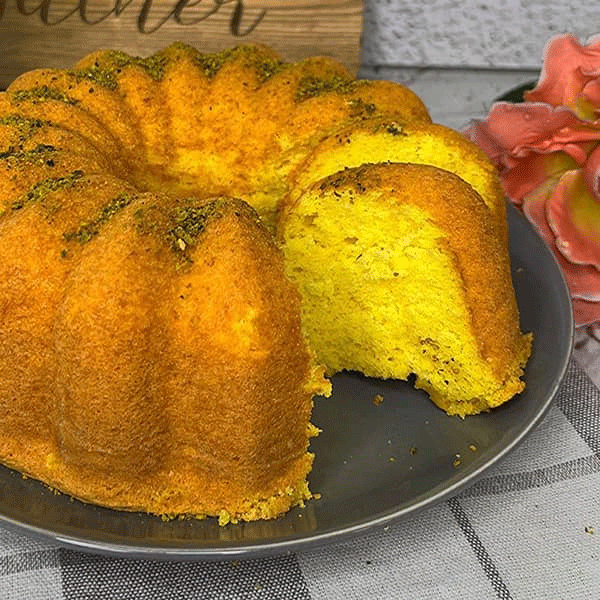
Moist saffron cake recipe
Sourcing the Star Ingredient: Not All Saffron is Equal
Your cake is only as good as the saffron you use. When shopping, you are faced with several choices. Here is how to make the right buying decision:
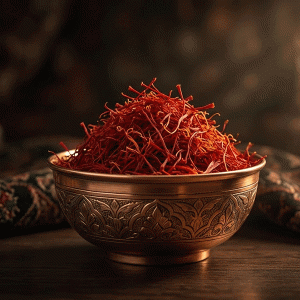
The Best Choice (Super Negin or Sargol): These grades consist purely of the red stigma tips. They contain the highest concentration of crocin (for that deep golden color) and safranal (for aroma).
What to Avoid (Pushal or Powders): Pushal includes the yellow style of the flower, which dilutes the flavor and adds dead weight. Avoid pre-ground saffron powders entirely; they are frequently adulterated with turmeric, paprika, or safflower.
The Sourcing Test: Genuine saffron threads should smell sweet but taste slightly bitter. If they taste sweet on your tongue, they have been sprayed with sugar water to increase their selling weight.
How to Bloom Saffron for Baking
Before adding saffron to your batter, you must “bloom” it to extract its color and flavor. You have two main options
based on your time constraints:
1. The Ice Cube Method (Recommended for Maximum Flavor)
Grind 1/4 teaspoon of saffron threads with a pinch of coarse sugar into a fine powder. Drop one standard ice cube over it and let it melt at room temperature.
Why it wins: The gradual cold extraction preserves the delicate volatile oils, resulting in a significantly brighter golden color and a smoother, more floral flavor profile.
2. The Hot Liquid Method (The Quick Fix)
Pour 2 tablespoons of hot (not boiling) milk or water over the ground saffron. Let it steep for 15 minutes.
The drawback: Boiling liquids can “cook” the saffron, slightly muting its complex aroma. However, it is a perfectly viable option if you are short on time.
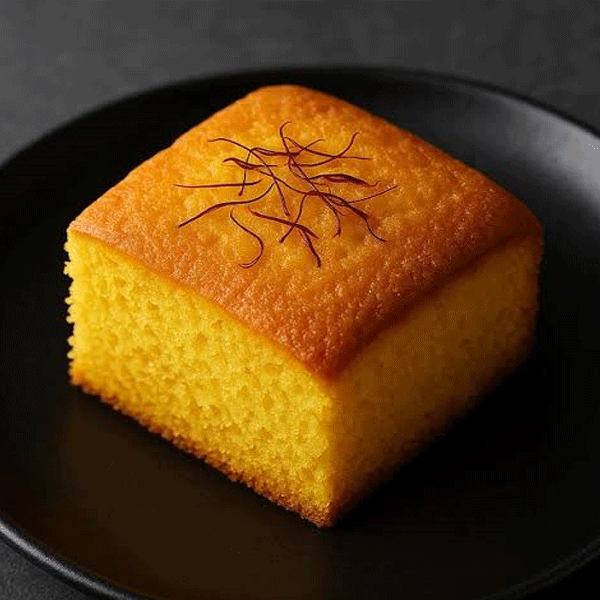
Moist saffron cake recipe
Ingredients for the Golden Saffron Cake
The Dry Mix: 2 cups All-Purpose Flour (sifted) 1.5 teaspoons Baking Powder 1/4 teaspoon Baking Soda 1/2 teaspoon Salt
The Wet Mix: 1/4 teaspoon Premium Saffron threads (ground and bloomed in liquid) 1/2 cup Unsalted Butter (softened to room temperature) 1/4 cup Neutral Oil (Canola, Grapeseed, or Sunflower) 1 cup Granulated Sugar
3 Large Eggs (room temperature) 1 cup Whole Milk or Plain Whole Milk Yogurt (room temperature) 1 teaspoon Vanilla Extract (or 1/2 teaspoon Rosewater for a traditional Middle Eastern profile)
Step-by-Step Baking Instructions
Step 1: Prep and Preheat
Preheat your oven to 350 ∘ F(175∘C). Grease your baking pan and line the bottom with parchment paper. Do not skip the parchment; the high sugar content can cause the edges to stick to the pan.
Step 2: Whisk the Dry Ingredients
In a medium bowl, whisk together the flour, baking powder, baking soda, and salt. Sifting the flour beforehand aerates it, which is the first step toward a fluffy texture.
Step 3: Cream the Fats and Sugar
In a large bowl or stand mixer, beat the softened butter, neutral oil, and sugar on medium-high speed for 4 to 5minutes. The mixture must transform from a grainy yellow paste to a pale, smooth, and noticeably aerated cloud.
Step 4: Incorporate the Eggs and Flavor
Add the eggs one at a time, beating well after each addition until just combined. Scrape down the sides of the bowl. Pour in the vanilla extract (or rosewater) and your brilliantly colored bloomed saffron liquid.
Saffron Culinary Arts: Discover how to unlock the vibrant color, delicate aroma, and rich flavor of the world’s most precious spice in your everyday cooking.
Baking Times by Pan Size
| Pan Size & Type | Oven Temp | Approx. Baking Time | Best Use Case & Notes |
|---|---|---|---|
| 8-inch Round (Two pans) | 350∘F(175∘C) | 25−30 minutes | Ideal for layer cakes with frosting. Cooks evenly, resulting in maximum interior fluffiness. |
| 9×13-inch Rectangular | 350∘F (175∘C) | 30−35 minutes | Best for a casual snacking cake. Easy to cut into squares for large gatherings. |
| Standard Bundt Pan | 325∘F(160∘C) | 45−55 minutes | Elegant presentation. Requires lower heat to prevent the outside from burning before the dense center bakes through. |
| Standard Cupcake Tin | 350∘F(175∘C) | 18−22 minutes | Perfect for individual portions. Fill liners only2/3 full to prevent spilling over the edges. |
Step 5: The Alternating Method
Turn your mixer to the lowest speed. Add one-third of your dry flour mixture, followed by half of your milk (or yogurt). Add another third of the flour, the remaining milk, and finish with the final third of the flour.
Crucial detail: Stop mixing the exact second you no longer see dry flour streaks. Overmixing at this stage develops gluten, which will turn your fluffy cake into a dense, rubbery loaf.
Step 6: Bake and Cool
Pour the batter into your prepared pan. Tap the pan once firmly on the counter to release large trapped air bubbles. Bake according to the decision matrix below.
Records mentioned in this article
Frequently Asked Questions
Butter provides rich flavor and structure, while neutral oil ensures the cake remains moist for days because it stays liquid at room temperature.
Super Negin” or “Sargol” saffron are best, as they contain the purest red stigma tips for maximum color and aroma.
Overmixing the batter after adding the flour, which overdevelops the gluten strands.