If you have ever searched for “clove oil” and found three listings with three very different prices, you have already run into the central problem of this market. Sellers use one name for what are really three separate products. Understanding clove bud oil vs leaf oil (and the often-forgotten stem oil) is the fastest way to avoid overpaying for a cheap oil or buying a premium one you do not need.
All three oils come from the same tree and share the same star compound, eugenol, but the part of the tree that is distilled changes the aroma, the balance of the other compounds, the typical uses and the price. The clove record gives the broader picture of where clove is grown and traded, and this article focuses on what that means for the bottle in your hand.
Why One Tree Produces Three Different Oils
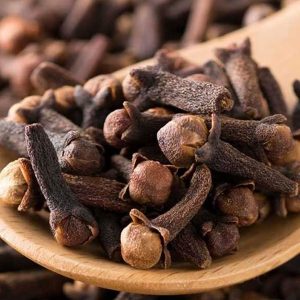
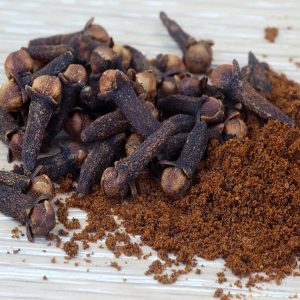
The clove tree gives you three raw materials. The flower buds, picked before they open, are the cloves most people know from the kitchen. The leaves fall and are pruned all year, and the thin stalks that hold the buds are a by-product of harvesting.
Each of these can be steam distilled, and each gives a distinct oil. The buds are the premium raw material, while leaves and stems are plentiful, cheaper by-products. That difference in raw material is what drives the difference in price, and it is why a “clove oil” at a very low price is almost never bud oil.
Clove Bud Oil: The Premium Choice
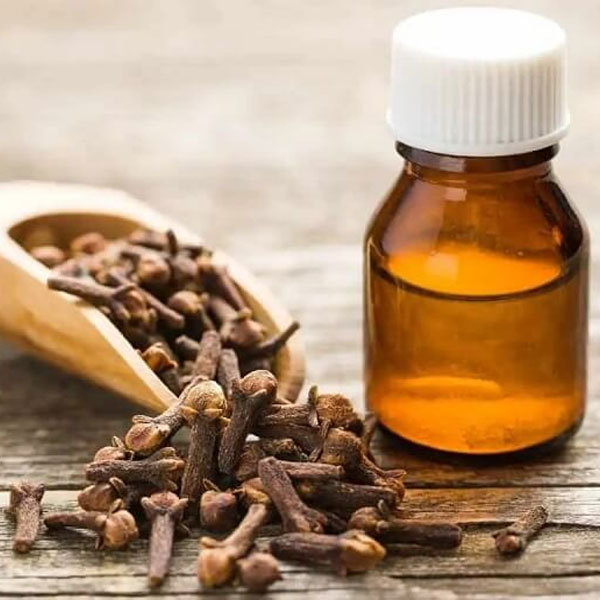
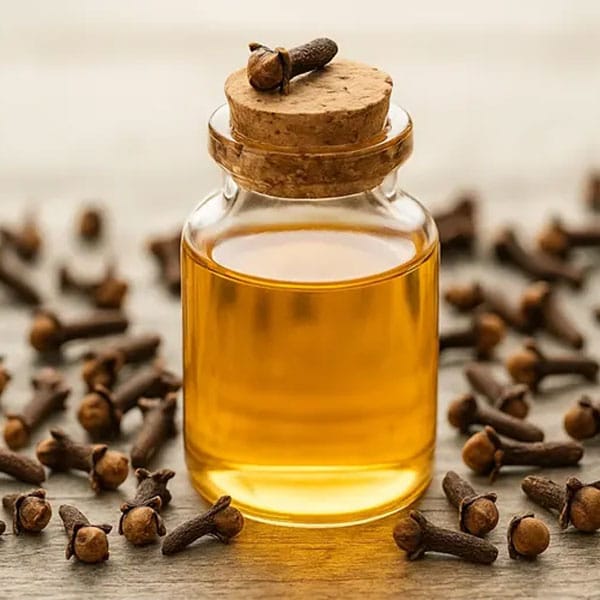
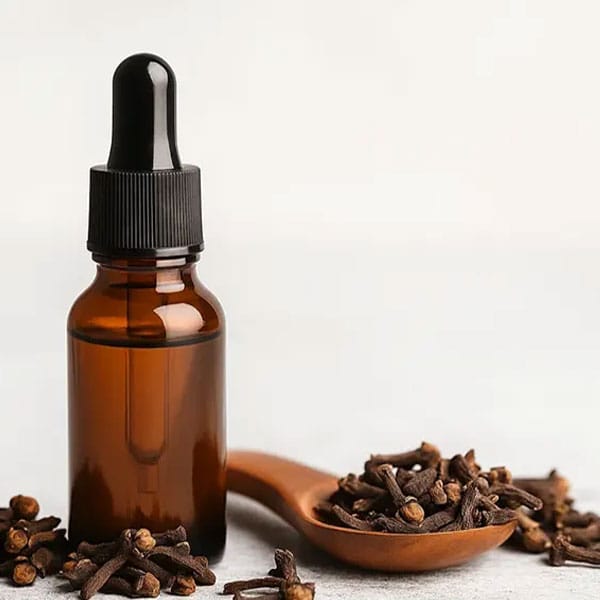
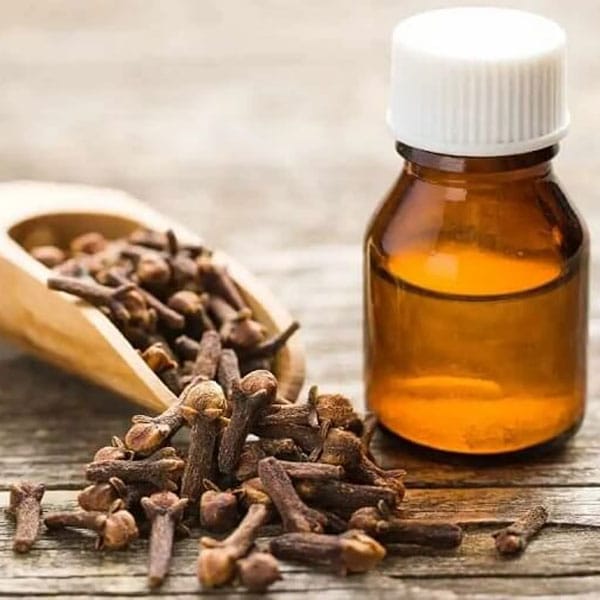
Clove bud oil is the one most people picture when they think of clove: warm, sweet, spicy and rounded, with a deep aroma that lingers. Eugenol is its main component, but it carries a richer supporting cast of other aroma compounds that soften the sharpness and give it that full, layered scent.
clove bud oil vs leaf oil
Because it smells the most refined and is made from the most valuable part of the tree, bud oil is typically the most expensive of the three. It is the usual choice for:
Perfumery and fine fragrance work, where a smooth, complex clove note matters.
Flavoring, particularly where the taste needs to be closer to real clove than to a harsh, medicinal edge.
Dental and oral-care products, where quality and consistency are closely watched.
Aromatherapy blends, where users notice and care about the scent.
If a supplier labels something simply “clove oil” and the aroma matters for your use, ask directly whether it is bud oil. A trustworthy seller will answer without hesitation.
Clove Leaf Oil: The Workhorse
Leaf oil is also dominated by eugenol, but it smells different. The aroma is stronger and sharper, more woody and less sweet, and it lacks the polished, rounded character of bud oil. Many people describe it as harsher or more “medicinal.”
That does not make it a bad product. Leaf oil is the practical, affordable option, and it is widely used where the job is chemical rather than aromatic. Typical uses include:
Eugenol extraction, since the oil is a plentiful and economical source of the compound.
Soaps, cleaning products and industrial applications, where a cheap, strong clove note is enough.
Pest and insect-repellent formulations, where potency matters more than elegance.
The most common buying mistake is paying bud-oil money for leaf oil. Leaf oil is not fake or adulterated, but it is a different, lower-cost product, and it should be priced and sold as one.
Clove Stem Oil: The Overlooked Third Product
Stem oil is the least discussed of the three and the one buyers are least likely to know exists. It comes from the stalks left over after the buds are harvested. It is also eugenol-rich, with an aroma that tends to be flatter and less refined than bud oil, and its supply is smaller and less consistent than leaf oil.
It is used mostly in industrial and extraction contexts, and most consumers will never knowingly buy it. The reason it matters is that it can end up blended into oils sold under a generic “clove oil” label. Knowing it exists helps you ask better questions.
clove bud oil vs leaf oil
Clove Bud Oil vs Leaf Oil vs Stem Oil: How They Compare
The simplest way to keep the three apart is to follow the chain from raw material to aroma to price. Bud oil is made from the flower buds, smells sweet, warm and rounded, sits at the top of the price range, and is best suited to fragrance, flavor and premium products. Leaf oil is made from the leaves, smells sharper, woodier and harsher, costs noticeably less, and is best suited to eugenol extraction, soaps and industrial use. Stem oil is made from the stalks, smells flatter and less refined, is usually the cheapest or the most variable in price, and is used almost entirely in industrial and extraction work.
In other words, the further you move from the bud, the less refined the aroma becomes and the lower the price falls. That is not a ranking of good and bad, because each oil is the right answer for a different job.
The Part That Surprises Most Buyers: Eugenol Is in All Three
Here is the point that causes the most confusion. Eugenol is the main compound in all three oils, so each of them will smell recognizably like clove and will show some of the classic clove properties. A seller can therefore say “contains eugenol” about any of them and be telling the truth.
What differs is the ratio of eugenol to everything else, and the quality of that whole profile. If you are curious about the compound itself, our guide explains eugenol in detail. The practical takeaway is that a high eugenol claim alone does not tell you which oil you are getting, and it does not tell you that the oil is bud oil.
How to Tell Which Oil You Are Actually Buying
Over time, buyers learn a handful of habits that cut through vague listings:
Read the full botanical label. A proper label names the plant part, such as bud, leaf or stem. If the label only says “clove oil,” ask for clarification before you buy.
Smell it side by side if you can. Bud oil is noticeably sweeter and rounder. Leaf oil hits harder and feels sharper at the front of the nose.
Ask for the batch report. A reputable supplier can share a gas chromatography report showing the composition of the batch.
Treat a very low price as information. Bud oil costs more because the raw material costs more. If the price looks too good, the oil is probably not bud oil.
Match the oil to the job. Do not overpay for bud oil if you are extracting eugenol, and do not settle for leaf oil if scent and flavor are the whole point.
The same logic applies to the raw spice itself. Quality is not uniform across the crop, and the oil you get can only be as good as what goes into the still. If you want to understand how that works, read about grading the buds themselves.
clove bud oil vs leaf oil
Safety Notes Everyone Should Know
Clove oil of any type is very concentrated. Eugenol can irritate skin and mucous membranes, so the oil should be diluted before it touches skin and should not be used undiluted in or around the mouth. It should be kept away from children and pets, and anyone who is pregnant, on blood-thinning medication or managing a health condition should speak with a qualified professional before using it. Product labels and professional guidance should always take priority over general articles like this one.
Clove bud oil, clove leaf oil and clove stem oil are three different products that happen to share a tree and a famous compound. Bud oil is the refined, premium choice, leaf oil is the practical and affordable workhorse, and stem oil is the quiet third product that mostly lives in industry. Once you know which one you need and how to verify it, you stop paying for a label and start paying for the right product.
Records mentioned in this article

Frequently Asked Questions
Not necessarily. "Clove oil" is a loose term that can mean bud, leaf or stem oil. Always check which plant part is named on the label.
Neither is better in every case. Bud oil is better when aroma and flavor quality matter, and leaf oil is better when you need an affordable, eugenol-rich oil for practical or industrial use.
It is made from the flower buds, the most valuable part of the tree, and it has the most refined aroma. Leaves and stems are plentiful by-products, so their oils cost less.