Most of us grew up with that familiar, warm, spicy-sweet aroma wafting from the kitchen. If you check your pantry right now, the jar labeled simply “cinnamon” is almost certainly Cassia cinnamon. It’s bold, affordable, visually striking, and absolutely perfect for baking robust pastries. But lately, there’s been a growing hum of anxiety online regarding its daily use. The confusion mostly stems from a botanical reality: Ceylon and cassia are different species, and because they grow in different environments, they develop vastly different chemical profiles. If you find yourself staring at your spice rack asking, “is cassia cinnamon safe for my family?”, you are certainly not alone. Let’s step away from the alarmist headlines, put on our analytical hats, and break down exactly what global risk assessments and food safety authorities actually say about our favorite baking spice.
The Core of the Concern
Before we dive into the exact safe limits and toxicological thresholds, we need to talk about the specific compound causing all this fuss. The intense, spicy kick that makes Cassia so popular comes naturally bundled with an organic chemical compound found in the tree’s bark. Understanding what coumarin actually is is crucial because this compound behaves quite differently in the human body depending entirely on the dose. It is not an artificial additive, a pesticide, or a contaminant; it is simply a natural defense mechanism produced by the Cassia cinnamon tree. The core of the safety debate revolves entirely around how much of this natural compound our bodies can process in a given day.

is cassia cinnamon safe
The Hard Numbers: How Much is Too Much?
Now, let’s look at the actual numbers that usually trigger the alarm bells in health blogs. The European Food Safety Authority (EFSA) established a Tolerable Daily Intake (TDI) for coumarin at 0.1 milligrams per kilogram of body weight.
Here is what that means in a practical, real-world kitchen scenario: a single, level teaspoon of ground Cassia cinnamon contains roughly 5.8 to 12.1 milligrams of coumarin. The exact amount fluctuates depending on the specific bark harvested, the soil it grew in, and its regional origin.
If you weigh around 60 kg (about 132 lbs), your recommended daily limit is roughly 6 mg. The math is undeniable: a single teaspoon of Cassia could theoretically push a lightweight adult, and almost certainly a child, over the recommended daily limit. For professionals and spice buyers who want to dive deeper into the historical grading, scientific limits, and how these parameters are established across the global spice trade, you can review the cinnamon record.
What Risk Assessments Actually Say About Exceeding the Limit
Reading that a single teaspoon might put you over a safety limit sounds terrifying, but context is everything in toxicology. The article headlines often stop at the teaspoon statistic, but the risk assessments do not.
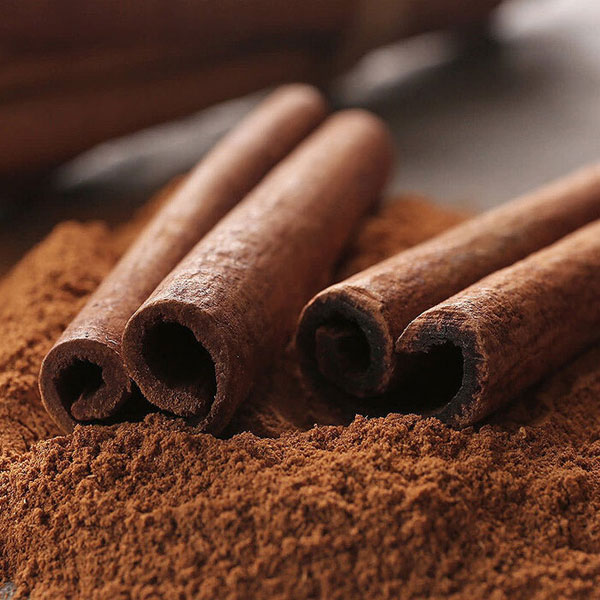
The crucial point—often missed in sensationalized health media—is that a Tolerable Daily Intake (TDI) represents an amount you can consume every single day over a lifetime without appreciable health risk. Food safety bodies, notably the German Federal Institute for Risk Assessment (BfR) which has studied this extensively, clearly state that exceeding the TDI for a short period of time is not dangerous. If you eat an abundance of cinnamon-heavy baked goods over a holiday weekend, your body is well-equipped to process it.
is cassia cinnamon safe
Furthermore, when evaluating severe, long-term risks like cancer, the Occupational Safety and Health Administration (OSHA) and other major international health organizations do not classify naturally occurring coumarin as carcinogenic to humans. The primary medical concern documented in these assessments is isolated to potential reversible liver toxicity, and this has only been observed in a small subset of highly sensitive individuals who consume massive amounts over extended periods.
Should You Throw Away Your Cassia?
So, is cassia cinnamon safe for everyday use? For the vast majority of consumers, the answer is a resounding yes—provided it is used as a culinary spice and not as a primary food group or dietary supplement.
If your routine involves sprinkling a little Cassia on your morning oatmeal, dusting a cappuccino, or baking a batch of snickerdoodles on the weekend, your exposure remains entirely negligible in the grand scheme of your diet. Cassia is safe, delicious, and remains the standard for robust culinary applications globally.
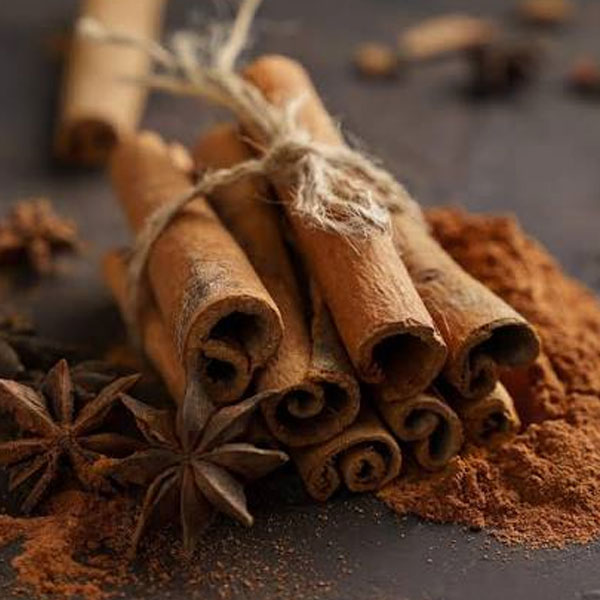
However, context shifts when usage changes. If you are actively using cinnamon as a daily wellness supplement—swallowing heaping spoonfuls every morning for perceived metabolic or blood sugar benefits—you are changing the equation from culinary use to therapeutic dosing. In those high-dose, daily scenarios, the risk assessments suggest that switching to Ceylon cinnamon makes logistical sense, as it contains only trace, nearly undetectable amounts of coumarin.
is cassia cinnamon safe
A Crucial Reminder (Listen to Your Doctor)
While food safety authorities have given Cassia the green light for normal culinary consumption, everyone’s biology is unique. If you have a pre-existing liver condition, a history of hepatic issues, or are taking medications that affect liver function, your personal tolerance threshold might be lower than the general public’s.
Please note: We are spice sourcing experts and researchers, not medical professionals. This article is meant to provide clear context around international food safety assessments and should never replace professional medical advice. If you plan to consume large amounts of any spice daily for health reasons, or if you have specific health concerns, you must consult your physician or a registered dietitian.
Cassia cinnamon isn’t something to fear, but it deserves some moderation: its coumarin content means that daily, large-dose use can push sensitive people past the safe limit. For most people, the occasional sprinkle on food is fine, and those who use it regularly can switch to Ceylon cinnamon, which contains far less coumarin.
Reference:
https://pmc.ncbi.nlm.nih.gov/articles/PMC3385612/
Records mentioned in this article

Frequently Asked Questions
Yes, in normal culinary amounts. A light sprinkle on your daily coffee, toast, or oatmeal is perfectly safe for a healthy adult. The safety concerns only arise when consuming large, supplement-level spoonfuls daily over a long period.
Absolutely. Cassia is the preferred cinnamon for baking because its strong, pungent flavor survives the heat of the oven much better than the delicate flavor of Ceylon. Occasional baking poses no risk of coumarin toxicity for the average person.
No, heat does not significantly degrade or destroy coumarin. The amount of coumarin present in the raw spice will remain in your baked goods, which is why monitoring portion sizes rather than cooking methods is the standard safety recommendation.