If you were to walk through a supermarket, open up almost any sweet packaged food, and take a deep breath, you would likely be greeted by a familiar, comforting aroma. From your favorite scoop of vanilla bean ice cream to the chocolate bar you grab at the checkout counter, and even the subtle scent of your daily moisturizer, that signature sweet, creamy note is practically inescapable.
But if you think that familiar scent is coming from vast tropical farms growing millions of delicate vanilla orchids, the reality of the global food supply chain paints a very different picture. True natural vanilla is one of the most labor-intensive and expensive agricultural products in the world. To satisfy global demand, the food and fragrance industries rely on a brilliant alternative. So, exactly what is vanillin, and how did it become the backbone of modern commercial flavoring?
As product sourcing experts, we constantly analyze the ingredients that shape the global market. Let’s peel back the label and explore the fascinating science, origin, and practical reality of vanillin.
What Is Vanillin?
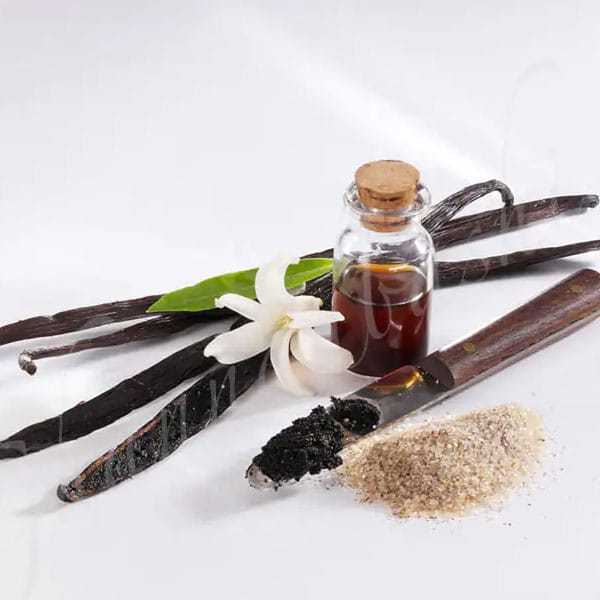
To answer the question of what is vanillin, we first need to look at a natural vanilla bean. When a vanilla pod is cured and dried, it develops a complex flavor profile made up of more than 200 distinct chemical compounds. These compounds work together to create the floral, earthy, woody, and sweet notes we associate with high-quality natural vanilla.
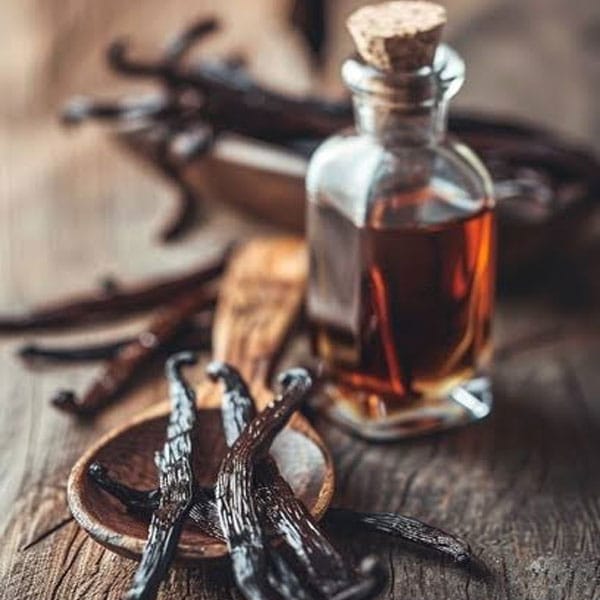
what is vanillin
However, out of those 200+ compounds, there is one undisputed star: a single organic compound responsible for about 80% of the recognizable “vanilla” aroma and taste. That specific molecule is called vanillin.
In its pure form, vanillin is a white crystalline powder. It is the exact same molecule whether it is extracted from a tropical orchid pod or synthesized in a laboratory. The difference lies not in the molecule itself, but in how it is sourced and what accompanies it.
Making Vanillin from Wood Pulp
Because the global demand for vanilla flavor outweighs the amount of natural vanilla grown by an astonishing margin (roughly 99% of vanilla flavoring consumed globally is synthetic), scientists had to find alternative ways to produce the vanillin molecule.
Here is where food science takes a fascinating turn. For decades, one of the primary methods for creating high-quality synthetic vanillin has involved trees—specifically, wood pulp.
Wood contains a complex organic polymer called lignin, which acts as the structural glue holding plant fibers together. During the paper manufacturing process, wood is broken down into pulp, leaving behind lignin-rich byproducts. Scientists discovered that through an oxidation process, this lignin could be broken down and converted into pure vanillin.
This means that the delicious, sweet aroma in your supermarket cookies likely started its life as a byproduct of the timber and paper industry. Today, while vanillin is also widely synthesized from guaiacol (a petroleum derivative) and bio-engineered yeast, the lignin-to-vanillin process remains a cornerstone of the flavor industry. It is a brilliant example of upcycling an industrial byproduct into a highly valuable, food-safe commodity.
Natural Vanilla vs. Synthetic Vanillin
When evaluating natural vanilla extract alongside lab-created vanillin, it is important to remove any ethical or emotional judgment. In the commercial sourcing world, neither is inherently “better” or “worse”—they are simply different tools for different applications.
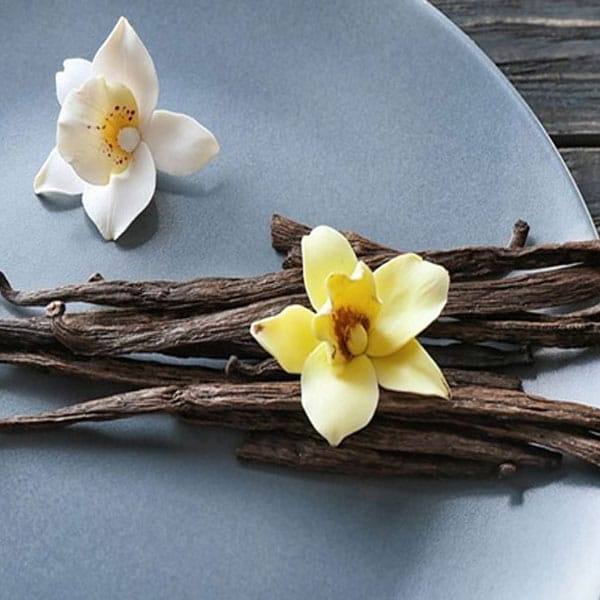
what is vanillin
The Complexity of Flavor:
Think of natural vanilla as a full symphony orchestra. The vanillin molecule is the lead violinist, playing the main melody that everyone recognizes. However, natural vanilla also contains hundreds of other “musicians”—subtle notes of fruit, spice, earth, and smoke.
Synthetic vanillin, on the other hand, is just the lead violinist playing a solo. It delivers a pure, unmistakable, and highly concentrated punch of vanilla flavor, but it lacks the nuanced background notes found in the natural botanical.
Cost and Commercial Viability:
Natural vanilla beans must be hand-pollinated, carefully harvested, and cured over months. This makes it incredibly expensive, vulnerable to climate shocks, and subject to massive price fluctuations. Synthetic vanillin costs a tiny fraction of the price of natural vanilla and offers absolute consistency in every batch.
Application:
If a high-end pastry chef is making a delicate panna cotta where vanilla is the main attraction, the complex symphony of natural vanilla is essential. However, if a large-scale manufacturer is making chocolate chip cookies, the delicate, nuanced notes of natural vanilla will largely bake out at high temperatures anyway. In these high-heat or heavily mixed applications, pure synthetic vanillin performs exceptionally well, delivering the robust flavor consumers expect without unnecessarily driving up the cost of the final product.
Why Is Vanillin in Almost Everything?
You might expect to find vanillin in cake mix and ice cream, but its uses extend far beyond obvious vanilla-flavored products. It is the unsung hero of the manufacturing world. Here is why it is everywhere:
1. Smoothing Out Chocolate:
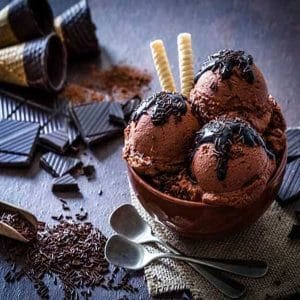
Take a look at the ingredient list of your favorite mass-market chocolate bar. You will almost certainly see vanillin listed. Cocoa is naturally quite bitter and acidic. Manufacturers use vanillin to round out the harsh edges of the cocoa, providing a creamy, sweet perception that makes chocolate highly palatable.
2. The Ultimate Background Flavor:
Vanillin is incredibly versatile. It acts as a flavor enhancer for other ingredients. It makes fruit flavors taste sweeter, caramel taste richer, and dairy products taste creamier. It is used in sodas, syrups, baked goods, and candies as a foundational flavor note that ties other ingredients together.
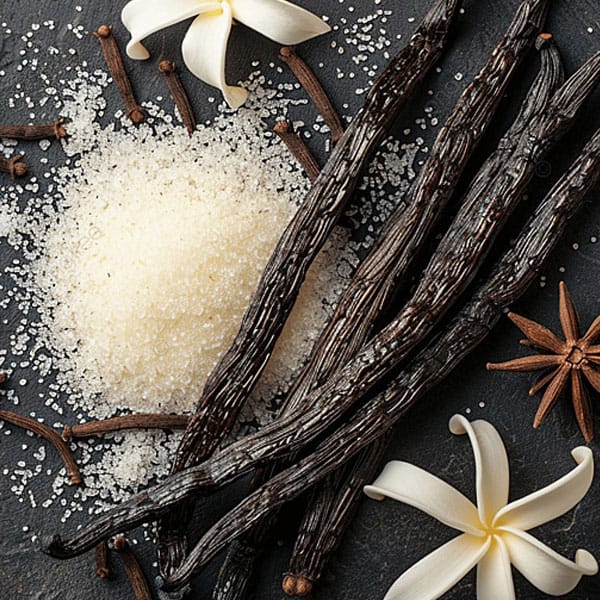
what is vanillin
3. Fragrance and Cosmetics:
Because the vanillin molecule is so aromatic and stable, it is a foundational ingredient in the perfume and cosmetic industries. From high-end colognes to everyday lip balms and body washes, vanillin provides a comforting, warm base note that consumers naturally gravitate toward.
How to Tell What You Are Consuming
As a consumer, navigating the labels on your food can be tricky. Food labeling laws vary by region, but generally, you can identify what kind of vanilla you are eating by paying close attention to the wording on the package.
If the label says “Pure Vanilla Extract,” the flavor is derived entirely from real vanilla beans. If the label reads “Artificial Vanilla Flavor,” “Imitation Vanilla,” or simply lists “Vanillin” in the ingredients, you are consuming the synthesized molecule.
If you’ve ever found yourself staring at a supermarket shelf wondering Is the vanilla in your food actually vanilla?, the answer usually lies in these subtle naming conventions. Understanding the difference allows you to make informed decisions based on your budget and culinary needs. For those in the food manufacturing or wholesale buying space, understanding the strict grading and sourcing of real pods is equally vital. You can dive deeper into the agricultural supply chain by visiting our vanilla origin record.
Vanillin is one of the most important flavor compounds in the modern world. Without the ability to synthesize this molecule—whether from wood pulp lignin or other methods—the comforting taste of vanilla would be a rare luxury reserved only for the very wealthy. By isolating the exact molecule that makes vanilla taste so good, science has democratized one of the world’s favorite flavors, making it accessible, affordable, and present in almost everything we enjoy.
Records mentioned in this article
Frequently Asked Questions
Yes. Synthetic vanillin is globally recognized as safe for consumption by major food safety authorities, including the FDA and EFSA. At a molecular level, it is identical to the vanillin found naturally in vanilla beans, and the human body processes it in the exact same way.
Absolutely. In most baked goods, especially those baked at high temperatures like cookies and cakes, synthetic vanilla (often sold as imitation vanilla) performs very well. You can substitute it in a 1:1 ratio. Because the delicate floral notes of pure vanilla often evaporate during baking, the pure, robust flavor of synthetic vanillin is often perfectly sufficient for everyday baking.
No. While one method of creating synthetic vanillin utilizes lignin extracted from wood pulp, the final product undergoes extensive chemical conversion, purification, and crystallization. The end result is a 100% pure organic compound (vanillin powder) with absolutely no wood fibers, pulp, or residue remaining.