Growing your own saffron at home is entirely possible and deeply rewarding, transforming a small garden patch or sunny windowsill into a personal source of the world’s most luxurious spice. Whether cultivating it for culinary experiments or the pure joy of gardening, understanding the specific climate and soil needs of Crocus sativus is your key to a successful autumn harvest. For those who find the yield too small for their daily cooking needs, exploring high-quality, ethically sourced threads through trusted platforms like OriginAndSource ensures you always have access to premium-grade saffron.
Saffron at a Glance: Key Facts for Buyers & Businesses
| Category | Details |
|---|---|
| Botanical Name | Crocus sativus L. |
| Primary Origins | Iran (90%), Afghanistan, Spain, Kashmir (India), Greece |
| Active Compounds | Crocin (color), Picrocrocin (flavor), Safranal (aroma) |
| Grading Standards | ISO 3632 (Category I–III based on crocin, picrocrocin, safranal levels) |
| Common Grades | Sargol (all-red threads), Negin (premium long threads), Pushal (red + some yellow) |
| Retail Price Range (2026) | 8– 15/gram (premium), 500 – 500– 3,000/kg (bulk, B2B) |
| Key Quality Indicators | Deep red color, minimal yellow threads, strong aroma, moisture <12%, no additives |
| Shelf Life | 2–3 years (airtight, cool, dark storage) |
| Culinary Uses | Paella, risotto, Persian rice, desserts, teas |
| Health Benefits | Antioxidant, mood support, potential anti-inflammatory properties* |
| Buying Tips for Consumers | Buy threads (not powder), check ISO cert, test 2–3 threads in warm water |
| Sourcing Tips for Businesses | Request lab reports (ISO 3632), verify origin docs, sample before bulk orders |
Saffron at a Glance: Key Facts for Buyers & Businesses. Origin, grades, 2026 prices, and purity checks — the essentials for both home and bulk saffron buyers, in one table. Columns: Category, Details. Botanical Name — Crocus sativus L.. Primary Origins — Iran (90%), Afghanistan, Spain, Kashmir (India), Greece. Active Compounds — Crocin (color), Picrocrocin (flavor), Safranal (aroma). Grading Standards — ISO 3632 (Category I–III based on crocin, picrocrocin, safranal levels). Common Grades — Sargol (all-red threads), Negin (premium long threads), Pushal (red + some yellow). Retail Price Range (2026) — 8– 15/gram (premium), 500 – 500– 3,000/kg (bulk, B2B). Key Quality Indicators — Deep red color, minimal yellow threads, strong aroma, moisture <12%, no additives. Shelf Life — 2–3 years (airtight, cool, dark storage).
I still remember the first time I carefully tweezed the three delicate red threads from a saffron crocus I grew myself. It is a strangely profound experience to hold a spice that has sparked ancient trade routes and royal obsessions, knowing it came from a small patch of dirt in your own backyard.
When people find out I spend my days researching and sourcing agricultural products, the most common question I get is: “Can I actually grow saffron at home?”
The short answer is a resounding yes. You don’t need a massive farm in the Mediterranean or the Middle East to cultivate saffron. However, the long answer requires understanding the unique personality of the Crocus sativus plant. It has a specific life cycle, distinct preferences, and a harvest window that demands your full attention.
Here is exactly how you can start your own saffron journey, avoiding the common pitfalls that frustrate first-time growers.
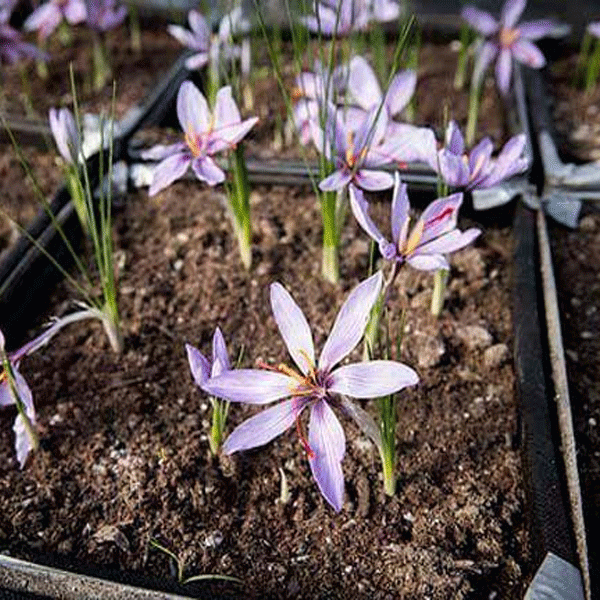
Grow saffron at home
Step 1: Sourcing the Right Corms (Bulbs)
Saffron is grown from corms, which act very much like bulbs. Your very first decision is making sure you buy the correct plant.
The Golden Rule: You must specifically purchase Crocus sativus.
The Warning: Do not confuse this with the “Autumn Crocus” (Colchicum autumnale), which blooms at the same time but is highly toxic.
Buy your corms from a reputable nursery in mid-to-late summer. Look for large, firm corms; larger corms often produce more flowers in their first year.
Step 2: Preparing the Environment
Saffron hates wet feet. If there is one thing that will ruin your crop before it even starts, it is heavy, waterlogged soil that causes the corms to rot.
Soil: You need sandy, well-draining soil with a neutral to slightly sweet pH (around 6.0 to 8.0). If your backyard has heavy clay, you are much better off planting in raised beds or pots amended with plenty of perlite and compost.
Sunlight: Crocus sativus thrives in full sun. Choose a spot that gets at least 6 to 8 hours of direct sunlight a day.
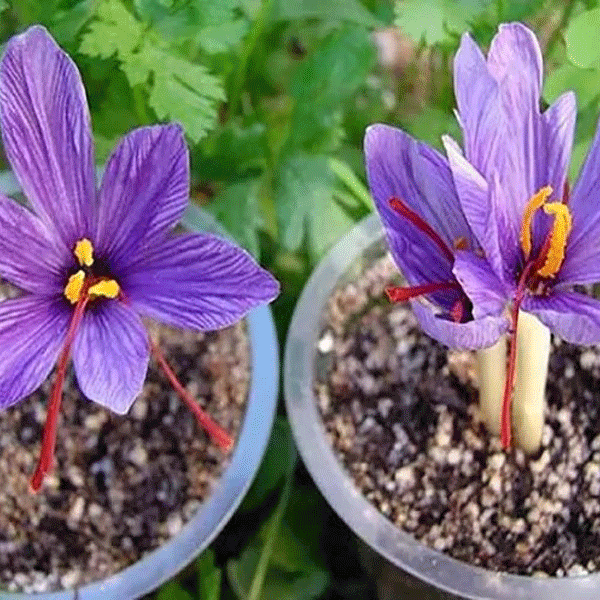
Grow saffron at home
Step 3: Planting and Watering
Plant your corms in late summer or early fall (usually August or September, depending on your hardiness zone).
Depth and Spacing: Dig holes about 3 to 4 inches deep, placing the corms with the pointy side up. Space them about 2 to 3 inches apart.
Watering Strategy: Water them once thoroughly after planting. After that, let the autumn rains do the work. Saffron corms are dormant in the summer and do not need summer watering. Overwatering is the enemy.
Saffron Business and Trade Guide: Navigate the complexities of sourcing, grading, and selling the world’s most valuable spice.
Indoor vs. Outdoor Cultivation
| Factor | Outdoor Cultivation (Garden/Raised Beds) | Indoor Cultivation (Pots/Containers) |
|---|---|---|
| Best For… | Zones 6-8 (with dry summers). | Apartment dwellers or extreme climate zones. |
| Yield Potential | Higher; corms have room to multiply naturally over years. | Limited by pot size; requires frequent repotting. |
| Watering Control | Vulnerable to unseasonal heavy summer rains. | 100% control over moisture levels. |
| Pest Risk | High (squirrels, voles, and mice love eating the corms). | Virtually zero pest issues. |
Step 4: The Multi-Step Harvesting Process
Unlike most herbs you can just snip and toss into a pan, saffron requires a meticulous, multi-stage processing method. This labor-intensive reality is exactly why it is the most expensive spice in the world.
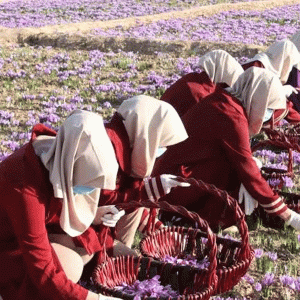
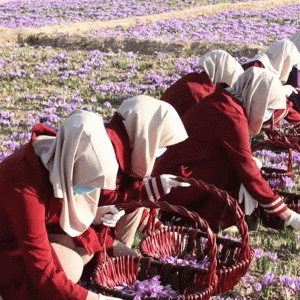
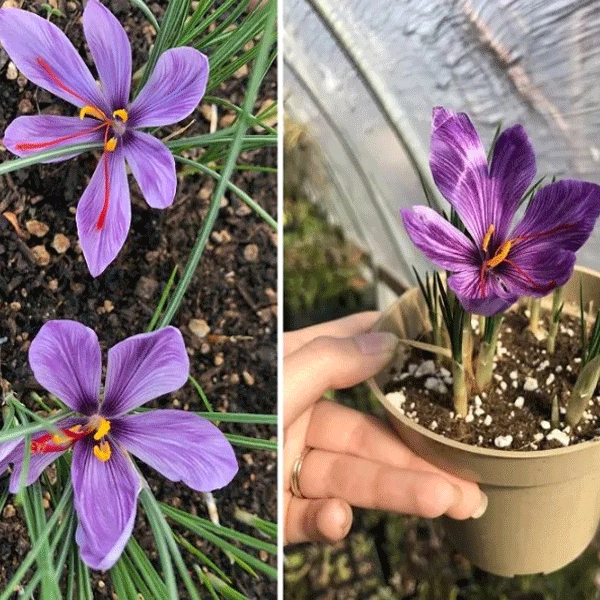
The Morning Pluck: In mid-to-late autumn, grass-like leaves will emerge, followed by beautiful purple flowers. You must pick the flowers in the early morning just as they open. If you leave them out in the sun, they wilt, and the precious stigmas lose their potency and aroma.
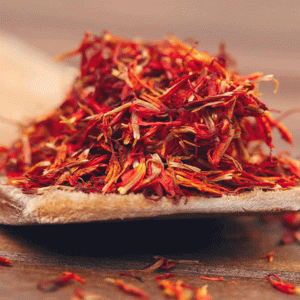
The Extraction: Bring the flowers inside. Using your fingers or fine tweezers, carefully pluck the three deep-red stigmas from the center of each flower. Ignore the yellow stamens; they hold no culinary value.
The Drying Phase (Curing): Fresh stigmas don’t taste like saffron yet. Place the threads on a paper towel in a warm, dry place for a few days, or use a food dehydrator on its lowest setting (around 110°F or 43°C) for about 15 minutes. They are ready when they are brittle and snap easily.
Aging: Store the dried threads in an airtight glass jar kept in a dark cupboard. For the best flavor profile, let them age for at least one month before cooking with them.
Growing saffron at home is an exercise in patience and appreciation. Watching those vibrant purple petals emerge just as the rest of the autumn garden is dying back is visually stunning, and extracting your own harvest gives you a profound respect for the labor behind global spice markets. It connects you directly to agricultural traditions that have spanned thousands of years.
Records mentioned in this article
Frequently Asked Questions
It takes approximately 150 to 170 individual flowers to produce just one gram of dried saffron. This is because each flower only produces three tiny red stigmas.
Yes, but you must move the pots to a dry, sheltered location during the summer months to mimic their natural summer dormancy and prevent the soil from getting soaked by summer rain.
Yes. Every year, the original “mother” corm dies off, producing several smaller “daughter” corms. Every 3 to 5 years, you should dig them up, separate them, and replant them to prevent overcrowding.