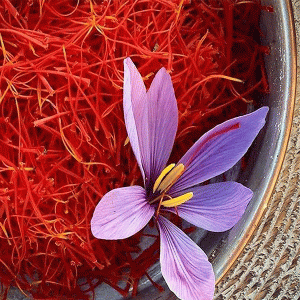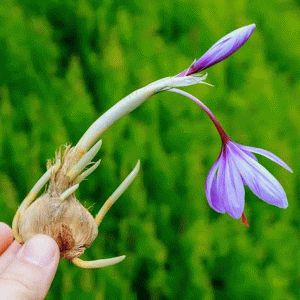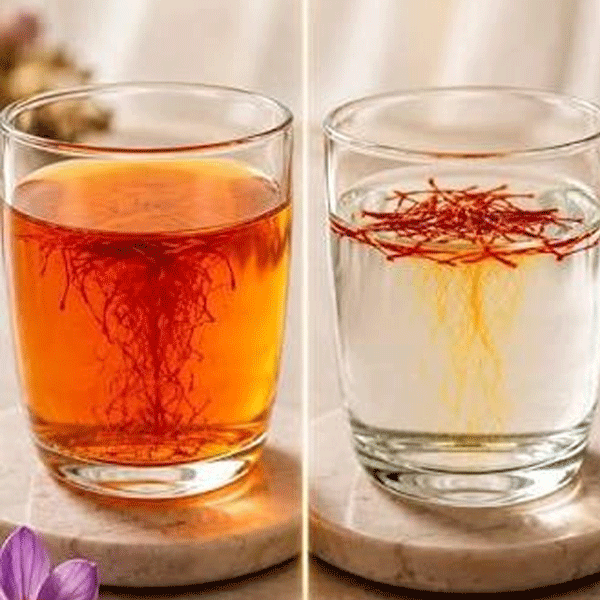
Testing saffron purity is essential given its high price and the prevalence of market fraud. The cold water test is the most reliable at-home method: pure saffron releases a golden-yellow hue slowly while retaining its own red color, whereas fake saffron instantly dyes the water red and turns white. Understanding these visual cues helps buyers confidently source and verify authentic saffron.
Saffron at a Glance: Key Facts for Buyers & Businesses
| Category | Details |
|---|---|
| Botanical Name | Crocus sativus L. |
| Primary Origins | Iran (90%), Afghanistan, Spain, Kashmir (India), Greece |
| Active Compounds | Crocin (color), Picrocrocin (flavor), Safranal (aroma) |
| Grading Standards | ISO 3632 (Category I–III based on crocin, picrocrocin, safranal levels) |
| Common Grades | Sargol (all-red threads), Negin (premium long threads), Pushal (red + some yellow) |
| Retail Price Range (2026) | 8– 15/gram (premium), 500 – 500– 3,000/kg (bulk, B2B) |
| Key Quality Indicators | Deep red color, minimal yellow threads, strong aroma, moisture <12%, no additives |
| Shelf Life | 2–3 years (airtight, cool, dark storage) |
| Culinary Uses | Paella, risotto, Persian rice, desserts, teas |
| Health Benefits | Antioxidant, mood support, potential anti-inflammatory properties* |
| Buying Tips for Consumers | Buy threads (not powder), check ISO cert, test 2–3 threads in warm water |
| Sourcing Tips for Businesses | Request lab reports (ISO 3632), verify origin docs, sample before bulk orders |
Saffron at a Glance: Key Facts for Buyers & Businesses. Origin, grades, 2026 prices, and purity checks — the essentials for both home and bulk saffron buyers, in one table. Columns: Category, Details. Botanical Name — Crocus sativus L.. Primary Origins — Iran (90%), Afghanistan, Spain, Kashmir (India), Greece. Active Compounds — Crocin (color), Picrocrocin (flavor), Safranal (aroma). Grading Standards — ISO 3632 (Category I–III based on crocin, picrocrocin, safranal levels). Common Grades — Sargol (all-red threads), Negin (premium long threads), Pushal (red + some yellow). Retail Price Range (2026) — 8– 15/gram (premium), 500 – 500– 3,000/kg (bulk, B2B). Key Quality Indicators — Deep red color, minimal yellow threads, strong aroma, moisture <12%, no additives. Shelf Life — 2–3 years (airtight, cool, dark storage).
You have just purchased a small, expensive jar of saffron. The threads look vibrant, but a nagging question remains: Is it pure?
Because saffron is the most expensive spice in the world—requiring tens of thousands of hand-picked crocus flowers to produce just a single pound—it is heavily targeted by food fraudsters. From dyed corn silk to safflower and even artificially colored paper shavings, the counterfeit market is highly sophisticated.
Fortunately, you don’t need a laboratory to verify your purchase. The cold water test is the most foolproof, experience-proven method to check saffron purity at home. Here is exactly how to do it, the science behind why it works, and what to look for to ensure you are getting exactly what you paid for.
Why the Water Test Works: The Science of Crocin
To understand the test, you need to know a little about saffron’s chemical makeup. Pure saffron contains a natural, water-soluble compound called Crocin, which is responsible for its famous golden-yellow color.
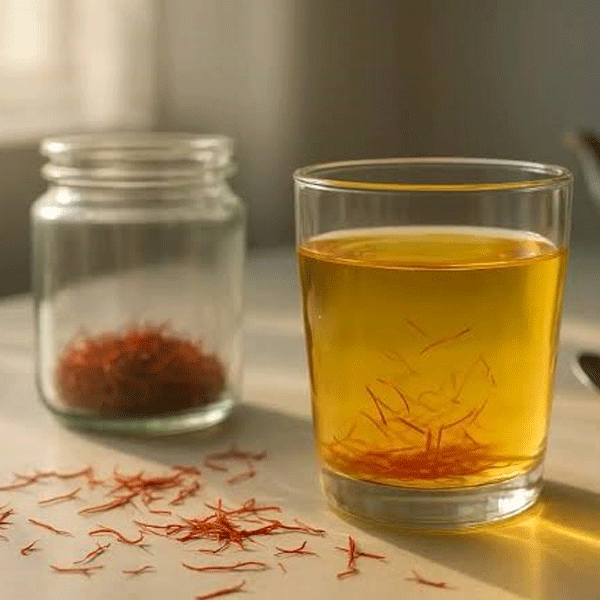
Saffron water test
Because Crocin is bound within the biological cellular structure of the dried stigma (the saffron thread), it takes time for the compound to release into the water. In contrast, counterfeit saffron is usually made of neutral organic matter (like corn silk) sprayed with artificial red food coloring. These artificial dyes sit on the surface of the fake threads and wash off instantly when they touch liquid.
Step-by-Step: How to Perform the Saffron Water Test
Performing the test is incredibly simple but requires a bit of patience. Always use cold or room-temperature water; hot water forces the color out too quickly, making it harder to distinguish the slow release of genuine saffron from a fake.
Prepare a clear glass: Fill a small, transparent glass or bowl with cold water.
Drop the threads: Take 3 to 4 strands of your saffron and gently drop them onto the surface of the water. Do not stir.
Observe the initial reaction (0–2 minutes): Watch how the threads interact with the water. Pure saffron will begin to slowly bleed a faint, golden-yellow aura around the threads.
Wait 15 to 20 minutes: Let the glass sit undisturbed.
Check the final result: Examine the color of the water, the color of the threads, and the physical integrity of the strands.
Saffron Business and Trade Guide: Discover how to source authentic saffron, verify ISO purity standards, and navigate global B2B supply chains with confidence.
Pure vs. Fake Saffron
| Test Indicator | Pure Saffron | Fake / Adulterated Saffron |
|---|---|---|
| Speed of Color Release | Very slow; takes 10 to 15 minutes to fully color the water. | Instantaneous; dye rushes out within seconds. |
| Water Color | A bright, translucent golden-yellow. | Opaque red, dark orange, or muddy crimson. |
| Thread Color (After soaking) | Threads remain deep red, even after releasing yellow color. | Threads turn white, pale pink, or transparent. |
| Thread Durability (Rub Test) | Remains intact when rubbed gently between fingers. | Turns into mush, breaks apart easily, or feels like wet paper. |
| Taste Profile | The water tastes slightly bitter and earthy (floral). | Tastes sweet (due to glycerin coatings) or entirely flavorless. |
Beyond the Water: Three Additional Sensory Checks
While the water test is highly accurate, experienced buyers and culinary professionals always combine it with sensory evaluations. If you want to be completely certain of your product’s source and quality, cross-reference the water test with these checks:
1. The Baking Soda Test
If you want to take the water test one step further, mix a small pinch of baking soda into the water before adding the saffron. Pure saffron will turn the baking soda water a clear yellow. Fake saffron will turn the mixture a murky, opaque red or dark orange.
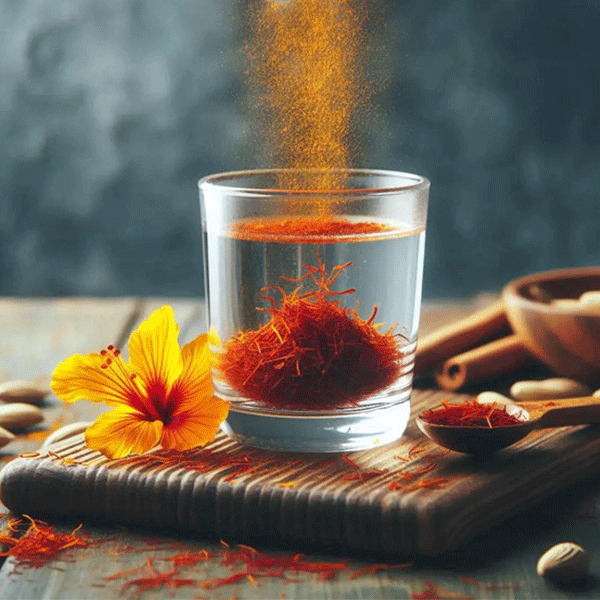
Saffron water test
2. The Smell Test (Sweet Aroma, Bitter Taste)
Genuine saffron has a highly complex, intoxicating aroma. It smells sweet—often described as a mix of honey, hay, and metallic floral notes. However, it should never taste sweet. If you bite a dry thread and it tastes sugary, it has been coated in a glycerin or sugar solution to artificially increase its weight and fetch a higher price.
3. The Visual Shape (The Trumpet)
Look closely at a single dry thread before dropping it into the water. Authentic saffron threads are the stigmas of the Crocus sativus flower. They are not uniformly straight; one end should be slightly bulged and fluted, resembling a tiny trumpet. If the threads are perfectly cylindrical and flat on both ends, you are likely looking at dyed corn silk.
The saffron water test takes just a few minutes and needs nothing more than a glass of water and a few threads. Real saffron releases its golden color slowly and keeps its shape, so make this quick check a habit and you’ll never overpay for a fake again.
Records mentioned in this article
Frequently Asked Questions
Not necessarily. If you leave pure saffron in water for several hours or boil it, the threads will eventually lose their deep red hue. The red flag is if the threads lose their color and turn completely white within the first five minutes in cold water.
Initially, high-quality, properly dried saffron threads will float on top of the water because of their light weight and low moisture content. As they absorb water over 15 to 30 minutes, they may eventually sink. However, sinking or floating alone is not a definitive test for purity; the color release is the most critical factor.
Prevention is better than testing. When sourcing saffron, avoid deals that seem too good to be true. Look for suppliers who provide transparency about their origin (such as premium Iranian or Spanish saffron), list ISO 3632 certification (the international standard for saffron quality measuring Crocin, Picrocrocin, and Safranal), and sell the spice in whole threads rather than pre-ground powder. Ground saffron is incredibly easy to adulterate with turmeric or paprika.