Tracing the journey of the world’s most expensive spice directly to its roots offers an unmatched travel and culinary experience. Exploring global saffron festivals allows enthusiasts and buyers to witness the delicate autumn harvest firsthand, securing pure, unadulterated threads straight from the farmers. For those passionate about discovering authentic origins and premium sourcing, attending these vibrant cultural celebrations is the ultimate deep dive into the world of red gold.
Saffron at a Glance: Key Facts for Buyers & Businesses
| Category | Details |
|---|---|
| Botanical Name | Crocus sativus L. |
| Primary Origins | Iran (90%), Afghanistan, Spain, Kashmir (India), Greece |
| Active Compounds | Crocin (color), Picrocrocin (flavor), Safranal (aroma) |
| Grading Standards | ISO 3632 (Category I–III based on crocin, picrocrocin, safranal levels) |
| Common Grades | Sargol (all-red threads), Negin (premium long threads), Pushal (red + some yellow) |
| Retail Price Range (2026) | 8– 15/gram (premium), 500 – 500– 3,000/kg (bulk, B2B) |
| Key Quality Indicators | Deep red color, minimal yellow threads, strong aroma, moisture <12%, no additives |
| Shelf Life | 2–3 years (airtight, cool, dark storage) |
| Culinary Uses | Paella, risotto, Persian rice, desserts, teas |
| Health Benefits | Antioxidant, mood support, potential anti-inflammatory properties* |
| Buying Tips for Consumers | Buy threads (not powder), check ISO cert, test 2–3 threads in warm water |
| Sourcing Tips for Businesses | Request lab reports (ISO 3632), verify origin docs, sample before bulk orders |
Saffron at a Glance: Key Facts for Buyers & Businesses. Origin, grades, 2026 prices, and purity checks — the essentials for both home and bulk saffron buyers, in one table. Columns: Category, Details. Botanical Name — Crocus sativus L.. Primary Origins — Iran (90%), Afghanistan, Spain, Kashmir (India), Greece. Active Compounds — Crocin (color), Picrocrocin (flavor), Safranal (aroma). Grading Standards — ISO 3632 (Category I–III based on crocin, picrocrocin, safranal levels). Common Grades — Sargol (all-red threads), Negin (premium long threads), Pushal (red + some yellow). Retail Price Range (2026) — 8– 15/gram (premium), 500 – 500– 3,000/kg (bulk, B2B). Key Quality Indicators — Deep red color, minimal yellow threads, strong aroma, moisture <12%, no additives. Shelf Life — 2–3 years (airtight, cool, dark storage).
If you have ever purchased a tiny glass vial of saffron, you know it is treated with the reverence of a precious gemstone. But to truly understand the value of this spice, you need to step out of the supermarket and into the crisp autumn air of a saffron field in full bloom.
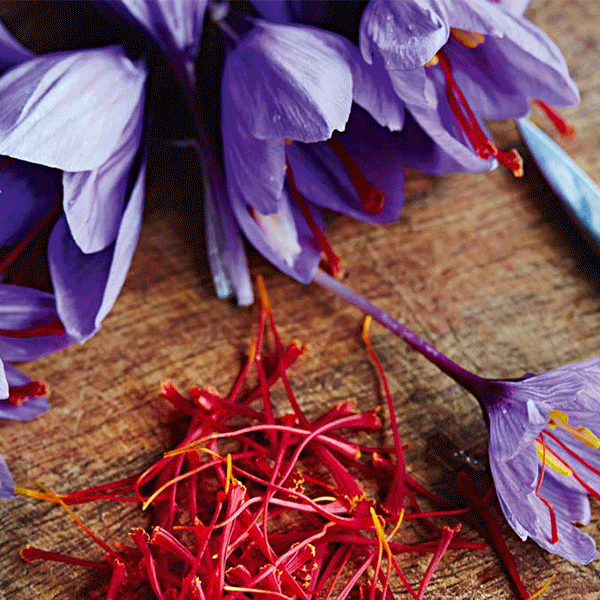
Every year, between late October and early November, vast landscapes across the Mediterranean and Asia are briefly covered in a vibrant carpet of purple Crocus sativus flowers. Because the flowers bloom for only a few short weeks and must be hand-picked before dawn, the harvest is an intense, communal effort. To celebrate the culmination of a year’s hard work, local communities host vibrant saffron festivals.
Whether you are a culinary traveler wanting to taste saffron-infused delicacies or a sourcing enthusiast looking to buy unadulterated threads directly from generational farmers, here is a guide to the world’s most spectacular saffron festivals.
1. Consuegra Saffron Rose Festival (Spain)
The Vibe: Traditional, celebratory, and steeped in literature.
Set against the iconic backdrop of the white windmills that inspired Cervantes’ Don Quixote, the town of Consuegra in the Castilla-La Mancha region hosts the Fiesta de la Rosa del Azafrán every October. Spanish saffron (often sold under the La Mancha DOP) is prized for its strong floral notes and relatively fast color release.
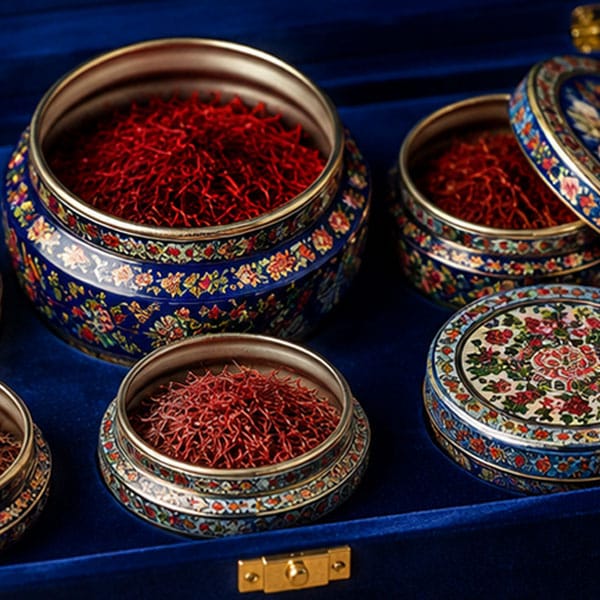
Saffron harvest experience
The festival is deeply experiential. As a visitor, you can watch the monda—the incredibly fast and precise traditional method where locals compete to peel the three red stigmas from the purple petals. The air in Consuegra during this weekend smells faintly of sweet hay and earth. Beyond buying premium threads, you will experience local Manchego gastronomy, folklore dancing, and a deep-rooted pride in agricultural heritage.
2. Pampore Saffron Festival (Kashmir, India)
The Vibe: High-altitude heritage, spiritual, and sensory.
Pampore, a historic town situated in the Kashmir Valley, is globally recognized as a premier saffron-growing region. Kashmiri saffron is distinct; grown at high altitudes, the stigmas are noticeably thicker, longer, and possess a deep, dark maroon hue. It is often considered the most potent saffron in the world.
During the harvest season in late October to early November, the fields under the Zabarwan mountain range turn a brilliant purple. The local festival here is less commercialized than its European counterparts and feels much more like a community gathering. Visitors can walk through the fields at dawn alongside the farmers, learning the delicate plucking process. The highlight is sipping Kahwa—a traditional Kashmiri green tea brewed with local saffron, cardamom, cinnamon, and crushed almonds—right next to the fields where the spice was just harvested.
3. Navelli Saffron Festival (Abruzzo, Italy)
The Vibe: Niche, artisanal, and hyper-local.
Tucked away in the mountainous Abruzzo region of Italy is the small village of Navelli. While Italy does not produce the massive volumes seen in the Middle East, Zafferano dell’Aquila is highly coveted by Michelin-starred chefs. The soil here, combined with the microclimate of the Apennine Mountains, produces saffron with an unusually pungent aroma and high concentrations of safranal.
Navelli celebrates its saffron heritage around late August (the traditional planting and cultural celebration) and late October (the actual harvest). It is a highly intimate experience. The community is small, and purchasing saffron here means you are likely buying it directly from the family that planted, picked, and dried it over an open oak wood fire, an ancient drying technique that gives Abruzzo saffron its distinct profile.
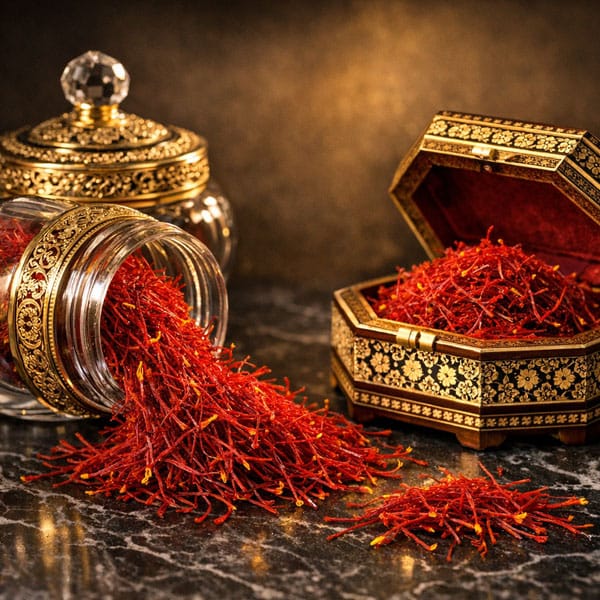
Saffron harvest experience
4. The Khorasan Harvest (Iran)
The Vibe: Massive scale, bustling markets, and the undisputed epicenter of production.
While not packaged as a single “tourist festival,” visiting the Qaenat or Torbat-e Heydarieh regions in Iran during November is the ultimate pilgrimage for sourcing experts. Iran produces over 90% of the world’s saffron. During the harvest, entire towns shift their daily rhythms to accommodate the picking and processing of millions of flowers.
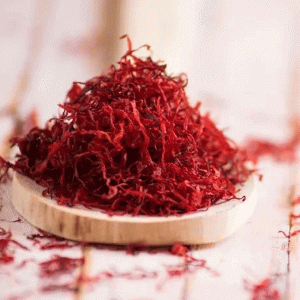
The local bazaars transform into bustling trading hubs where farmers bring mountains of freshly dried crimson threads to sell to brokers and buyers. It is the best place in the world to understand the grading of saffron—from the premium Super Negin (all red, thick threads) to Sargol and Pushal. The sheer volume, the intense aroma in the markets, and the deep integration of saffron into Persian cuisine make this an unparalleled, if more industrially focused, experience.
Saffron Culture and Facts: Uncover the ancient traditions and botanical mysteries that have guarded saffron’s status as the world’s most coveted “Red Gold” for millennia.
A Decision Guide for Travelers and Buyers
| Region / Festival | Optimal Visit Time | Flavor & Physical Profile | Best Suited For |
|---|---|---|---|
| Consuegra, Spain (La Mancha) | Late October | Earthy, highly floral aroma; short, delicate threads. | Cultural travelers; pairing with paella and Mediterranean seafood. |
| Pampore, Kashmir (India) | Late Oct – Early Nov | Sweet, pungent flavor; thick, dark maroon, long stigmas. | Premium buyers seeking high-potency spice; tea and rich curries. |
| Navelli, Italy (Abruzzo) | Late October | Intense aroma, subtle smoky undertones from oak drying. | Artisanal foodies; perfect for delicate risottos and baked goods. |
| Khorasan, Iran (Qaenat) | November | Excellent color yield, classic sweet-hay aroma; available in all grades. | Wholesale sourcing, understanding grading, and everyday culinary use. |
Expert Advice on Sourcing Saffron at Festivals
Buying directly at a festival is generally safer than buying from an unknown online vendor, but it still requires a discerning eye.
When inspecting the threads, look for a deep, uniform red color. A small amount of yellow at the base (the style) is natural in certain cuts, but it adds weight without flavor. Real saffron should smell sweet—often described as a mix of floral honey and cured tobacco—but it should never taste sweet. If you chew a thread and it tastes sugary, it has been adulterated with syrup to increase its weight. Furthermore, the threads should be dry and brittle to the touch; moisture is the enemy of shelf-life and a common trick to inflate the price per gram.
Records mentioned in this article
Frequently Asked Questions
Because the Crocus sativus flower relies entirely on weather and temperature drops to bloom, dates can shift slightly each year. Generally, the last week of October through the first week of November is the safest window to ensure you witness the peak harvest in both Europe and Asia.
While buying locally drastically reduces the chance of encountering synthetic fakes, you must still be cautious of “tourist traps.” Buy directly from the farmers’ stalls or local cooperative shops rather than generic souvenir stands. Always ask to smell the spice and check for dryness before purchasing.
Quality is dictated by grade and personal culinary preference rather than just geography. If you want thick, highly potent threads with a dark red hue, Kashmiri is ideal. For a bright, floral aroma perfect for a classic Paella, Spanish La Mancha is best. If you want the visually stunning, all-red threads with excellent coloring power often used by chefs, look for Iranian Super Negin grade.