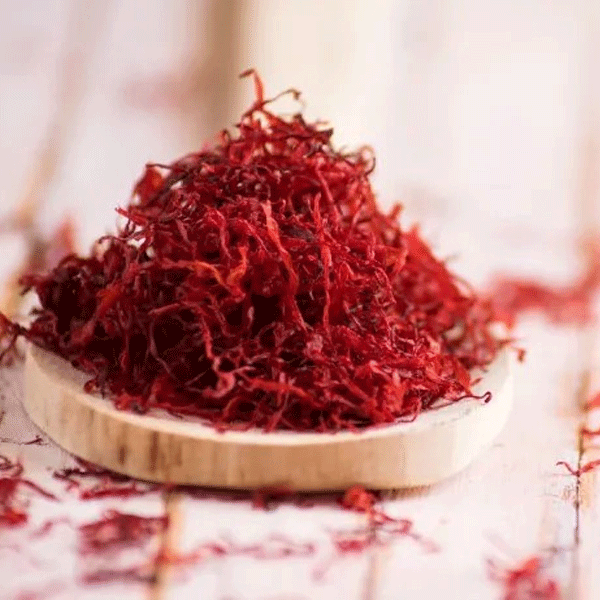
For centuries, the luminous golden hue of saffron was far more than a culinary spice; it was the ultimate wearable symbol of divine right and immense wealth for ancient royalty. Extracting this vibrant color required staggering agricultural labor, making it a textile strictly reserved for the global elite. Through our continuous research into premium botanicals at OriginAndSource, we can see exactly how the ancient sourcing of these crimson threads established a standard of luxury that still fascinates the world today.
Saffron at a Glance: Key Facts for Buyers & Businesses
| Category | Details |
|---|---|
| Botanical Name | Crocus sativus L. |
| Primary Origins | Iran (90%), Afghanistan, Spain, Kashmir (India), Greece |
| Active Compounds | Crocin (color), Picrocrocin (flavor), Safranal (aroma) |
| Grading Standards | ISO 3632 (Category I–III based on crocin, picrocrocin, safranal levels) |
| Common Grades | Sargol (all-red threads), Negin (premium long threads), Pushal (red + some yellow) |
| Retail Price Range (2026) | 8– 15/gram (premium), 500 – 500– 3,000/kg (bulk, B2B) |
| Key Quality Indicators | Deep red color, minimal yellow threads, strong aroma, moisture <12%, no additives |
| Shelf Life | 2–3 years (airtight, cool, dark storage) |
| Culinary Uses | Paella, risotto, Persian rice, desserts, teas |
| Health Benefits | Antioxidant, mood support, potential anti-inflammatory properties* |
| Buying Tips for Consumers | Buy threads (not powder), check ISO cert, test 2–3 threads in warm water |
| Sourcing Tips for Businesses | Request lab reports (ISO 3632), verify origin docs, sample before bulk orders |
Saffron at a Glance: Key Facts for Buyers & Businesses. Origin, grades, 2026 prices, and purity checks — the essentials for both home and bulk saffron buyers, in one table. Columns: Category, Details. Botanical Name — Crocus sativus L.. Primary Origins — Iran (90%), Afghanistan, Spain, Kashmir (India), Greece. Active Compounds — Crocin (color), Picrocrocin (flavor), Safranal (aroma). Grading Standards — ISO 3632 (Category I–III based on crocin, picrocrocin, safranal levels). Common Grades — Sargol (all-red threads), Negin (premium long threads), Pushal (red + some yellow). Retail Price Range (2026) — 8– 15/gram (premium), 500 – 500– 3,000/kg (bulk, B2B). Key Quality Indicators — Deep red color, minimal yellow threads, strong aroma, moisture <12%, no additives. Shelf Life — 2–3 years (airtight, cool, dark storage).
When we evaluate historical textiles, the dyes used tell a story as vivid as the garments themselves. Before the advent of synthetic aniline dyes in the 19th century, achieving a bright, lasting yellow was a complex challenge. Ancient royalty, from Persian monarchs to Egyptian queens, did not just want yellow—they demanded a specific, radiant golden hue that symbolized the sun, purity, and divine power. They achieved this using Crocus sativus: saffron.
But why choose the most expensive spice in the world to dye a cloak or a tunic? Understanding the decision-making of ancient textile artisans requires looking at the intersection of economics, chemistry, and royal branding.
The Psychology and Status of the “Sun Color”
In antiquity, wearing clothing dyed with saffron was the equivalent of wearing spun gold. The color produced by saffron stigmas is a deep, luminous golden-yellow that reflects light beautifully, especially when applied to high-quality ancient silk or fine linen.
Historically, Alexander the Great was known to wash his hair and tunics in saffron to maintain a golden aura, while Cleopatra used it in her royal baths and cosmetics. In ancient Persia and Greece, the color was directly associated with the gods. Ordinary citizens simply could not afford it. By wearing a saffron-dyed garment, a king or queen was visually communicating their absolute power and their proximity to the divine without speaking a single word.
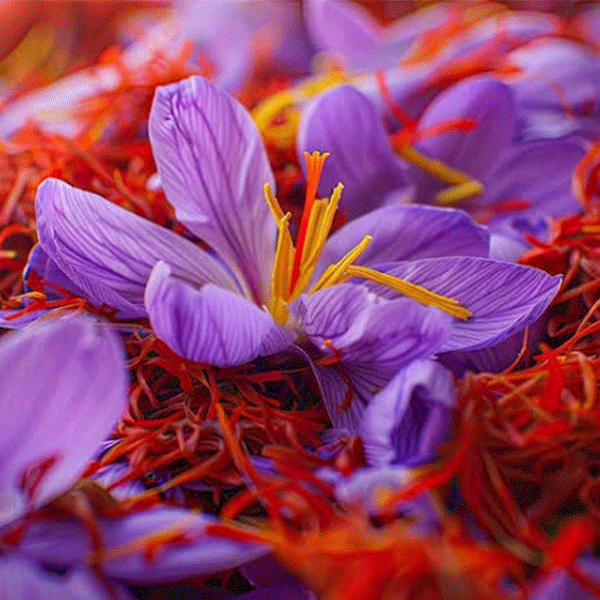
saffron dye
Saffron vs. Cheaper Alternatives: An Ancient Sourcing Decision
A common question for modern textile enthusiasts is why ancient dyers didn’t just use cheaper yellow plants. Turmeric, weld, and safflower were all available in the ancient world.
The decision came down to three factors:
The Aroma: Unlike weld or turmeric, saffron imparted a distinct, luxurious, and long-lasting honey-like fragrance to the fabric. Royalty were effectively wearing a dyed garment and a high-end perfume simultaneously.
The Vibrancy: Saffron contains a chemical compound called crocin, which binds remarkably well to natural protein fibers (like silk and wool). It produces a much more brilliant and clear yellow than the muddy or mustard tones of cheaper roots.
The Barrier to Entry: True luxury requires exclusivity. It takes roughly 150,000 hand-picked crocus flowers to produce just one kilogram of dried saffron. The sheer human labor required to dye a single royal mantle meant that no merchant or commoner could accidentally replicate a king’s wardrobe.
Saffron Culture and Facts: Discover how a delicate crimson flower shaped ancient trade, royal luxury, and centuries of culinary heritage.
Comparing the Great Royal Dyes of Antiquity
| Ancient Dye | Botanical/Biological Source | Color Yield | Historical Wearers | Primary Drawback |
|---|---|---|---|---|
| Saffron | Stigmas of Crocus sativus | Luminous Golden-Yellow | Persian Kings, Greek Royalty, Cleopatra | Astronomical labor cost |
| Tyrian Purple | Secretions of Murex sea snails | Deep Reddish-Purple | Roman Emperors, Byzantine Royalty | Terrible odor during production |
| Indigo | Leaves of Indigofera tinctoria | Rich Blue | Egyptian Pharaohs, Elite Traders | Complex fermentation process required |
| Turmeric | Rhizomes of Curcuma longa | Bright, warm yellow | General populace, early religious robes | Fades very quickly in sunlight |
The Multi-Step Process of Saffron Dyeing
First, the fabric (usually silk or wool) had to be prepared with a mordant—a binding agent like alum—which allowed the dye molecules to adhere permanently to the textile fibers.
Next, the precious saffron threads were crushed and steeped in warm water to release the crocin. Boiling the water was strictly avoided, as extreme heat destroys the delicate chemical structure of the pigment, turning the bright yellow into a dull brown. The mordanted fabric was then carefully submerged into the warm saffron bath, stirred constantly to ensure an even coat, and finally laid out to dry in a shaded area. Direct sunlight during the drying phase could damage the fresh color.
For centuries, saffron’s golden-orange glow was a symbol of power, wealth, and divinity. Today, every thread of this precious spice still carries a touch of royal history, reminding us that true luxury has always been worth its weight in gold.
Records mentioned in this article
Frequently Asked Questions
Compared to synthetic dyes, yes. While it is more colorfast than turmeric, saffron is still a natural botanical dye. Ancient royals had to have their garments re-dyed or replaced regularly to maintain that blinding golden vibrancy.
Saffron binds best to protein-based natural fibers like silk and wool. Attempting to dye cellulose fibers like cotton or linen with saffron results in a much paler, less durable color, which is why ancient royalty almost exclusively used it on premium silks or high-grade animal fibers.
Yes, the original robes of Buddhist monks were often dyed with saffron or jackfruit heartwood as a symbol of renunciation and purity. However, as the spice became prohibitively expensive, monasteries transitioned to cheaper alternatives like turmeric and modern synthetic dyes to achieve the iconic “saffron” color.