Finding the world’s best saffron depends on your goals: Kashmiri offers unmatched luxury and potency, Iranian Super Negin sets the global standard for consistent premium quality, and Spanish PDO remains a traditional culinary classic. Beyond geography, true world-class saffron is defined by strict grading, expert processing, and ISO 3632 certification for guaranteed color, flavor, and aroma. Explore our expert sourcing guide to decode global supply chains, avoid clever counterfeits, and confidently choose the perfect “red gold” for your exact needs.
Saffron at a Glance: Key Facts for Buyers & Businesses
| Category | Details |
|---|---|
| Botanical Name | Crocus sativus L. |
| Primary Origins | Iran (90%), Afghanistan, Spain, Kashmir (India), Greece |
| Active Compounds | Crocin (color), Picrocrocin (flavor), Safranal (aroma) |
| Grading Standards | ISO 3632 (Category I–III based on crocin, picrocrocin, safranal levels) |
| Common Grades | Sargol (all-red threads), Negin (premium long threads), Pushal (red + some yellow) |
| Retail Price Range (2026) | 8– 15/gram (premium), 500 – 500– 3,000/kg (bulk, B2B) |
| Key Quality Indicators | Deep red color, minimal yellow threads, strong aroma, moisture <12%, no additives |
| Shelf Life | 2–3 years (airtight, cool, dark storage) |
| Culinary Uses | Paella, risotto, Persian rice, desserts, teas |
| Health Benefits | Antioxidant, mood support, potential anti-inflammatory properties* |
| Buying Tips for Consumers | Buy threads (not powder), check ISO cert, test 2–3 threads in warm water |
| Sourcing Tips for Businesses | Request lab reports (ISO 3632), verify origin docs, sample before bulk orders |
Saffron at a Glance: Key Facts for Buyers & Businesses. Origin, grades, 2026 prices, and purity checks — the essentials for both home and bulk saffron buyers, in one table. Columns: Category, Details. Botanical Name — Crocus sativus L.. Primary Origins — Iran (90%), Afghanistan, Spain, Kashmir (India), Greece. Active Compounds — Crocin (color), Picrocrocin (flavor), Safranal (aroma). Grading Standards — ISO 3632 (Category I–III based on crocin, picrocrocin, safranal levels). Common Grades — Sargol (all-red threads), Negin (premium long threads), Pushal (red + some yellow). Retail Price Range (2026) — 8– 15/gram (premium), 500 – 500– 3,000/kg (bulk, B2B). Key Quality Indicators — Deep red color, minimal yellow threads, strong aroma, moisture <12%, no additives. Shelf Life — 2–3 years (airtight, cool, dark storage).
If you are asking strictly about chemical potency and rarity, Kashmiri saffron (India) is often considered the absolute best in the world, characterized by its intensely dark crimson stigmas and high crocin content. However, if you are looking for the best combination of world-class quality, availability, and grading consistency, Iranian saffron (specifically the Super Negin grade) is the undisputed global standard. Meanwhile, Spanish saffron remains a top choice for traditional European culinary applications due to its strict regional processing standards.
As a product sourcing expert, I spend a lot of time analyzing global supply chains, and saffron—often called “red gold”—is one of the most fascinating, misunderstood, and frequently counterfeited products on the market.
To determine which country produces the “best” saffron, we can’t just look at marketing claims. We have to look at the soil, the climate, the grading systems, and most importantly, the ISO 3632 standards that measure color (crocin), flavor (picrocrocin), and aroma (safranal).
Let’s break down the world’s top saffron origins so you can make an informed decision based on exactly what you need it for.

which country produces the best saffron
1. Iran: The Undisputed Heavyweight Champion
It is impossible to talk about saffron without starting with Iran. Producing roughly 90% of the world’s global supply, Iran’s Khorasan province is the historical and modern heart of saffron cultivation.
Why it stands out:
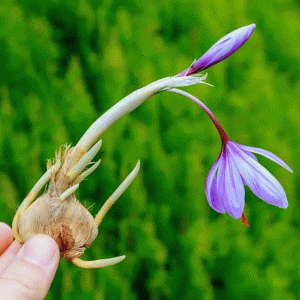
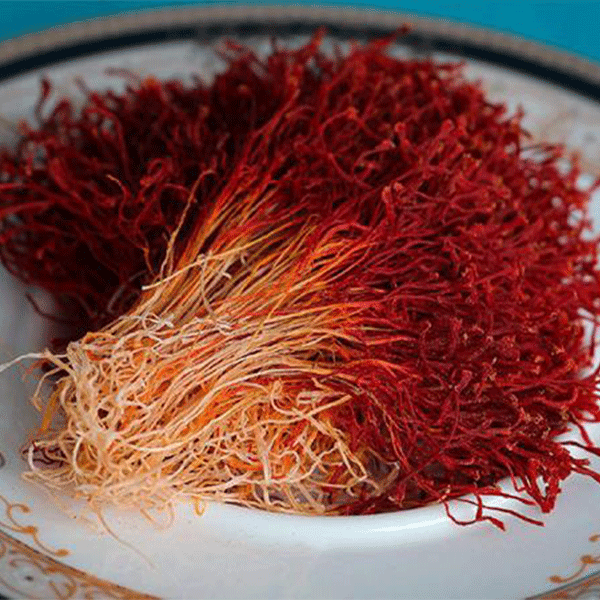
The high altitude, cold winters, and dry summers of the region create the perfect stress environment for the Crocus sativus flower. Iranian producers have also perfected the art of grading. When you buy Iranian saffron, you know exactly what part of the thread you are getting:
Super Negin: The highest quality. Long, thick, all-red threads with no yellow/white style attached. Maximum aroma and coloring power.
Sargol: All red, but slightly shorter and thinner threads than Negin.
Pushal: Contains the red stigmas with a tiny bit of the yellow style attached.
The Verdict: If you want premium quality that is consistently available for high-end culinary or medicinal use, Iranian Super Negin is the gold standard.
which country produces the best saffron
2. Kashmir (India): The Rare and Potent Luxury
Kashmiri saffron is the rarest and most expensive in the world, making up less than 5% of the global supply. Grown primarily in the Pampore region, it is highly sought after by connoisseurs.
Why it stands out:
Unlike Iranian and Spanish saffron, Kashmiri saffron (often sold as “Mongra” grade) has a distinctively thicker head and a deeper, almost purplish-crimson color. When tested in laboratories, high-grade Kashmiri saffron frequently shows the highest levels of crocin (the compound responsible for color and health benefits).
The Verdict: Kashmiri saffron is the ultimate luxury. It is significantly harder to source authentically, but if you want the most potent aroma and coloring power available on earth, this is it.
3. Spain: The Master of Tradition and Branding
Spain has a legendary reputation in the saffron world, particularly the PDO (Protected Designation of Origin) saffron from the La Mancha region.
which country produces the best saffron
Why it stands out:
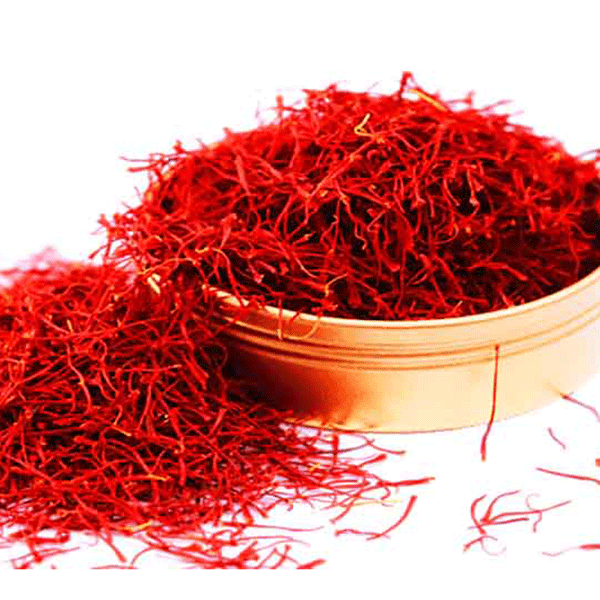
Spanish saffron is famous for its processing method. The threads are carefully toasted over low fires, which stops the oxidation process and gives Spanish saffron a slightly smokier, more earthy aroma compared to the floral notes of Iranian saffron.
Note on the market: Spain exports far more saffron than it actually grows. It is a common, perfectly legal industry practice for Spanish companies to import high-quality Iranian saffron, package it in Spain, and export it. If you want true Spanish-grown saffron, you must look for the “Azafrán de La Mancha PDO” seal.
The Verdict: Ideal for traditional European cooking like Paella or Risotto, especially if you appreciate a slightly toasted, earthy flavor profile.
4. The Rising Stars: Afghanistan and Greece
Afghanistan: Sharing a similar climate and terroir to eastern Iran, Afghanistan produces spectacular saffron. In recent years, Afghan saffron has repeatedly won first place at the International Taste Institute in Brussels. It offers exceptional quality that rivals premium Iranian grades.
Greece: The Kozani region produces Krokos Kozanis, a PDO-protected saffron. It tends to be slightly lighter in color and has a uniquely sweet, almost honey-like floral aroma.
Saffron Business and Trade Guide: An expert’s roadmap to sourcing authentic saffron, verifying purity, and navigating the global spice trade.
The Top Saffron Origins
| Origin | Signature Grade | Flavor / Aroma Profile | Coloring Power (Crocin) | Best For |
|---|---|---|---|---|
| 🇮🇷 Iran | Super Negin | Strongly floral, classic pure saffron scent. | Very High (Often 250+) | Overall consistency, commercial use, fine dining. |
| 🇮🇳 Kashmir (India) | Mongra | Intensely pungent, sweet, slightly woody. | Maximum (Often 270+) | Luxury gifting, medicinal extracts, ultra-premium culinary. |
| 🇪🇸 Spain (La Mancha) | Coupe / PDO | Earthy, nutty, with a subtle toasted note. | High (around 200 – 240) | Traditional European dishes (Paella, Bouillabaisse). |
| 🇦🇫 Afghanistan | Super Negin | Vibrant, highly aromatic, similar to Iranian. | Very High (Often 250+) | Gourmet cooking, buyers seeking award-winning alternatives. |
How to Make the Right Buying Decision
Choosing the best saffron isn’t just about picking a country. As a buyer, you need to protect yourself from adulterated products (where corn silk, safflower, or dyed paper are passed off as real saffron). Here is how you decide:
1. Look for the ISO 3632 Certification
If you are buying in bulk or spending premium money, ask the supplier for their laboratory report. ISO 3632 Category I is the highest global standard. If a brand proudly displays its lab results showing high crocin (color) and safranal (aroma) levels, you are in safe hands, regardless of the country of origin.
2. Inspect the Threads (Visual & Physical Check)
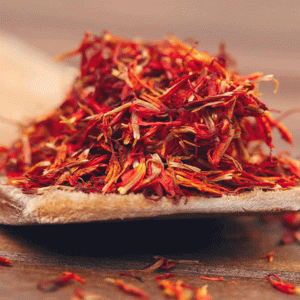
Shape: Real saffron threads are trumpet-shaped at one end. If the threads are perfectly uniform cylinders, it might be fake.
Color: Look for a deep, vivid red. Avoid threads that have too much yellow (unless you specifically bought a lower grade like Pushal or Bunch).
The Water Test: When placed in warm water, real saffron releases a golden-yellow hue slowly over 10-15 minutes. The thread itself will stay red. Fake saffron releases color instantly and turns white, because it is just dyed material.
3. Match the Origin to Your Needs
Buy Kashmiri if budget is not an issue and you want the absolute pinnacle of potency.
Buy Iranian Super Negin or Afghan if you want the best return on investment for high-end cooking or manufacturing.
Buy Spanish PDO if you are an aficionado of authentic Mediterranean cuisine and love the traditional toasted aroma.
Records mentioned in this article
Frequently Asked Questions
This is a major supply chain reality. Spain has a massive, highly trusted packaging and distribution network established over centuries. They legally import premium saffron (largely from Iran), grade it, pack it, and distribute it globally under Spanish brands. Always look for the PDO mark if you want Spanish-grown stigmas.
Yes, but only for a specific type of buyer. The yield in Kashmir is tiny compared to global demand, which drives up the price. If you are extracting compounds for health supplements or you are a Michelin-star chef wanting a specific visual impact, it is worth it. For the average home cook, premium Iranian Super Negin provides 95% of the experience for a fraction of the cost.
No. While dark red is a great indicator of high crocin levels, unscrupulous sellers can dye lower-grade threads or even corn silk. Aroma is just as important—real saffron smells like a mix of honey and hay, but it is never sweet to the taste. It should taste slightly bitter.