If you have ever stood in a grocery aisle, picked up a tiny jar of whole cloves, and wondered why it costs more than a bag of rice, you are not alone. Cloves feel like a luxury spice, and the instinctive explanation is scarcity: surely something this fragrant must be rare. But the truth is more interesting. Cloves are not scarce at all. Millions of kilos are harvested every year, and the spice is one of the most widely grown and traded in the world. The real reasons behind the price come down to labor, patience, and how the spice travels from a tropical tree to your kitchen shelf. Once you understand that chain, the price tag starts to make sense, and you can also learn how to stop overpaying for it.
What You’re Actually Buying
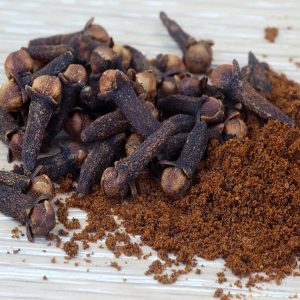
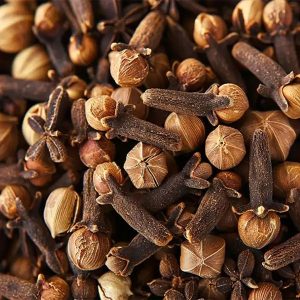
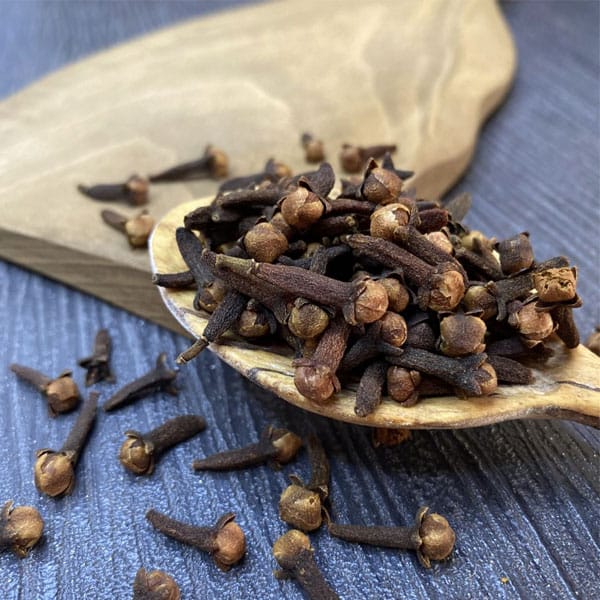
Before talking about money, it helps to know what a clove is. Each one is a hand-picked flower bud from the evergreen tree Syzygium aromaticum, harvested before the flower ever opens. That single detail explains a lot. A bud has to be picked at exactly the right moment, when it turns from green to a soft pink-red. Wait a few days too long and it blooms, and the flavor and oil content that make cloves valuable drop sharply. So the harvest window is narrow, and it cannot be rushed or handed to a machine.
why are cloves so expensive
The Surprising Number: Cloves Are Not Actually Expensive
Here is the part most articles skip. Compared with the spices people usually call expensive, cloves are cheap. Saffron costs thousands of dollars per kilo, and real vanilla beans routinely cost hundreds. By contrast, the customs value of cloves, meaning the price declared when bulk cargo crosses a border, sits at roughly $6 per kilo. You can see the broader price history on the clove record, which tracks how those figures move over time.
That figure is the key to the whole question. If the declared bulk value is only a few dollars per kilo, then the high price you see on a small jar is not coming from the spice itself. It is coming from everything that happens after the cloves leave the farm. So when people say cloves are expensive, what they usually mean is that cloves feel expensive for what they are: a bud-by-bud harvested crop that is quite affordable in bulk but pricey in a tiny package.
Why It Feels Expensive Anyway
1. Every clove is picked by hand
There is no practical machine for harvesting clove buds. Workers climb ladders or bend branches and pick clusters of buds by hand, tree after tree, during a short season. A single kilo of dried cloves represents thousands of individual buds. Labor is the biggest cost in the entire process, and it is the reason cloves will never be as cheap as a grain that can be harvested by a combine.
2. The trees take years to start producing
A clove tree does not give you anything quickly. It generally takes around six years before a tree begins to flower, and it takes much longer to reach full production. That means a farmer who plants today is waiting most of a decade for a meaningful return. This long wait shapes everything: farmers cannot respond quickly when prices rise, and when prices fall, they cannot easily switch crops. The result is a market that moves in slow, painful cycles.
3. Harvests swing from abundant to disappointing
Clove trees tend to produce unevenly from year to year. A heavy harvest can be followed by a weak one, and weather, disease, and tree age all play a part. In a bumper year, prices can drop hard. In a poor year, they can jump. Because the spice is traded as a commodity, those swings pass through to buyers, so the price you paid last year may not be the price you pay this year.
why are cloves so expensive
4. A few countries control the supply
Production is concentrated in a handful of places, with Indonesia, Madagascar, Tanzania (especially Zanzibar), Sri Lanka, and the Comoros among the best known. When a crop is concentrated geographically, a single storm, a political decision, or a shipping disruption can affect prices worldwide. Indonesia is also one of the largest consumers of cloves, because the spice is used in traditional clove cigarettes. That domestic demand means a big share of the crop never reaches the export market at all.
5. Drying, sorting, and quality grading take time
Fresh buds cannot simply be bagged and shipped. They are dried slowly, usually in the sun over several days, until they turn the familiar dark brown. After drying, they are sorted, cleaned, and graded. Good cloves are plump, oily, and intensely aromatic, with the head still attached. Poor-quality cloves are brittle, faded, or have already lost much of their oil. Each step adds a little cost, and careful handling is what separates cloves that taste like something from cloves that taste like dust.
6. The markup between farm and shelf
This is where the price truly climbs. Between the farm and your kitchen, cloves pass through collectors, exporters, importers, packers, distributors, and finally a retailer. Every stage needs a margin. Add shipping, storage, import duties, and the cost of putting a small quantity into a glass jar with a nice label, and a spice with a bulk value of a few dollars per kilo can end up many times more expensive per kilo on a supermarket shelf. The smaller the jar, the larger the markup per kilo, which is why buying in tiny packages is always the costliest way to buy.
Why Cloves Are Worth the Money to Cooks
If you use cloves properly, you rarely need many. Their flavor comes from an oil called eugenol, which makes up most of the oil in the bud and delivers that warm, sweet, almost numbing intensity. This is also why cloves are so powerful in cooking: a few whole buds can flavor an entire pot of rice, a braise, mulled wine, or a batch of pickling liquid. In practice, the cost per meal is tiny, even if the cost per jar feels high.
Cloves also last. Whole cloves stored in a cool, dark place keep their strength for a long time, far longer than ground spice, so a single purchase can serve you for a year or more. That durability is a quiet argument in their favor when you compare the price to how long they last.
why are cloves so expensive
How to Stop Overpaying for Cloves
Knowing why the price is high lets you shop more intelligently. These habits make the biggest difference:
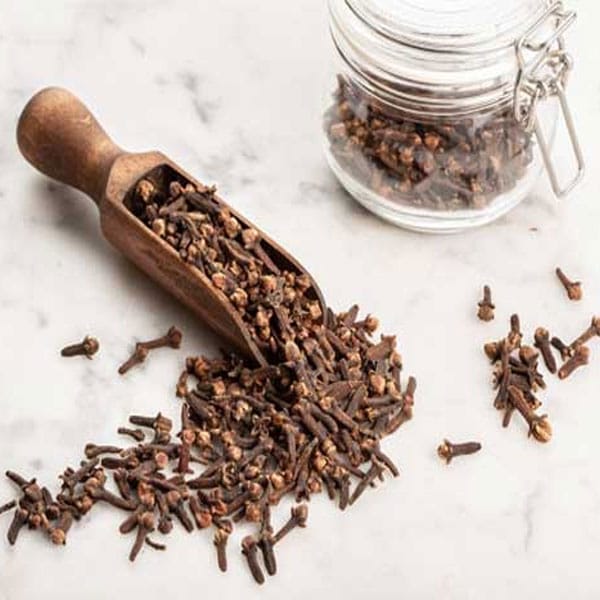
Buy whole, not ground. Ground cloves lose aroma quickly, and the price per kilo is usually higher. Whole buds stay potent far longer, and you can grind small amounts when needed.
Buy larger quantities from a reliable seller. Since packaging and retail markup are the real cost drivers, a bigger bag from a spice merchant or ethnic grocery store is often dramatically cheaper per kilo than a small supermarket jar.
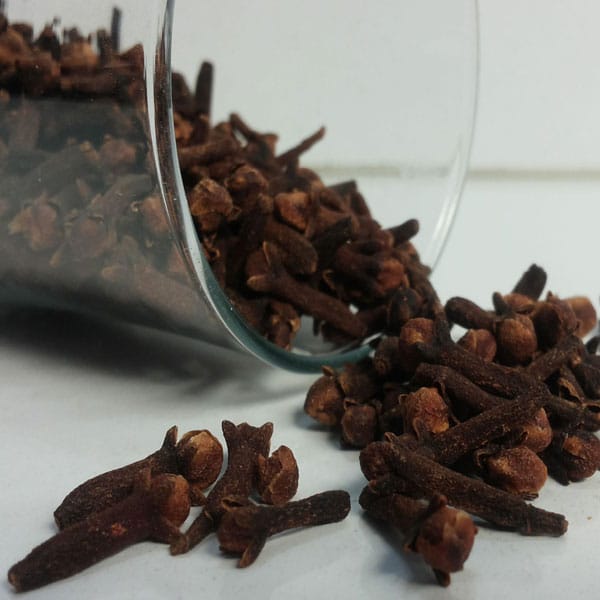
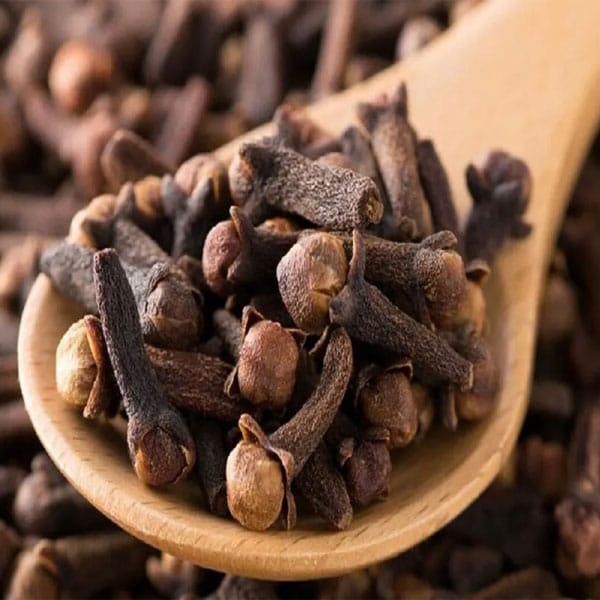
Check the quality, not just the price. A good clove is plump, dark reddish-brown, and has a visible head. When you press a fingernail into the stem, a little oil should appear. If it feels dry and the smell is faint, it is old, and it is no bargain at any price.
Avoid suspiciously cheap bulk cloves. Some low-priced cloves are stems or buds that have had their oil removed, which means you get far less flavor. A low price is not a deal if the spice has lost what makes it worth using.
Store them properly. Keep them in an airtight container away from heat and light. This protects the oil, which is the part you are paying for.
So, why are cloves so expensive? The honest answer is that, in a sense, they are not. The raw spice is plentiful and its declared bulk value is only a few dollars per kilo. What you are really paying for is hand labor, years of tree growth, an uneven harvest, a multi-step supply chain, and the retail markup on a tiny jar. Scarcity has almost nothing to do with it. Once you know that, you can buy whole cloves in larger quantities, judge quality by smell and appearance, and enjoy one of the world’s most powerful spices without feeling like you are paying a luxury price for something ordinary.
Records mentioned in this article

Frequently Asked Questions
Not really. Cloves cost far less than saffron or vanilla, and in bulk they are fairly affordable. They only look expensive because they are usually sold in very small retail packages.
Prices follow harvest size, weather, and demand from major consuming countries. A poor harvest in a key growing region, or a jump in demand, can push prices up even though the spice is not rare.
Often yes, especially when buying in larger quantities from a specialist seller, because you skip some of the retail layers. Compare the price per 100 grams rather than per jar to get a fair picture.