Standing in the baking aisle or stocking your pantry, facing the choice between a slender glass tube containing a single whole pod, a classic brown bottle of liquid extract, and a dark jar of viscous paste can feel surprisingly paralyzing. All three deliver real vanilla flavor, but their price tags, culinary behaviors, and physical textures are worlds apart.
Using a whole cured bean in a batch of crisp chocolate chip cookies is largely a waste of expensive aromatics. Conversely, splashing a tablespoon of alcohol-based extract into a delicate buttercream can thin the emulsion and leave a sharp edge that masks subtle dairy flavors.
Understanding the battle of vanilla bean vs extract vs paste comes down to three practical questions: What heat level will the dish experience? Does texture or moisture balance matter? And do you want those signature black specks to announce that you used genuine vanilla?
Here is an honest, kitchen-tested breakdown of what each form offers, where it shines, where it falls short, and how to choose the right one for what you are making today.
1. Whole Vanilla Beans: The Aromatic Gold Standard
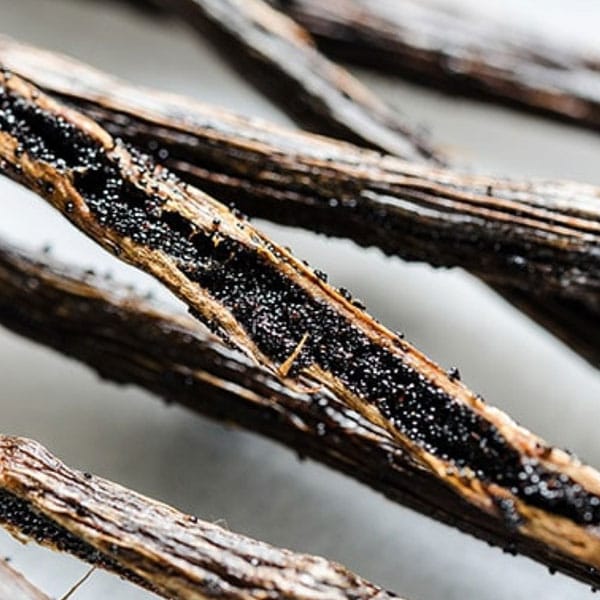
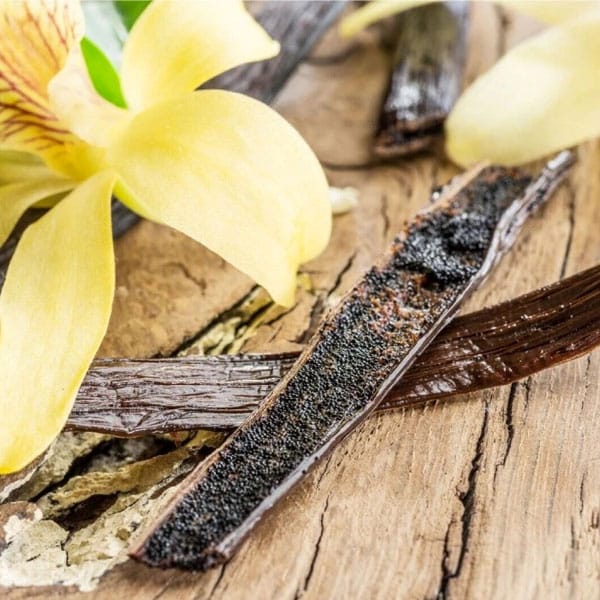
A whole vanilla bean is the cured, unadulterated fruit of an orchid. When you slice through its leathery skin and run the spine of your paring knife down the pod, you collect thousands of microscopic seeds suspended in a sticky, resinous pulp—often called vanilla caviar.
vanilla bean vs extract vs paste
Flavor and Sensory Profile
Nothing matches the depth of a whole pod. Real cured vanilla contains over 250 volatile flavor compounds alongside vanillin. When you use the bean, you capture woodsy, floral, pruney, and balsamic notes that alcohol extraction often strips away or flattens. The seeds also provide unmistakable visual appeal, signaling high-craft baking before the first bite.
Where Whole Beans Work Best (and Why)
Warm dairy and fat infusions: Vanilla’s most complex aroma compounds are fat-soluble. Infusing split beans and their seeds into warm milk, heavy cream, melted butter, or egg yolks allows the fats to pull out nuances that high-proof alcohol cannot touch.
Crème brûlée, panna cotta, and pastry creams: These classic desserts allow the flavor of the bean to take center stage without competing with harsh spices or high baking heat.
Poaching liquids and simple syrups: Dropping an empty pod into simmering pears, stone fruits, or cocktail syrups extracts the woody, tannin-rich aromatics lingering in the pod wall itself.
The Trade-offs
Beans are expensive, have a limited shelf life if exposed to dry air, and require prep work. In high-heat baking—such as a cake or cookie baked at350∘F (175∘C) or higher—many of the delicate floral aromatics simply evaporate through the oven vent.
If you decide to invest in whole pods, pay close attention to moisture and bean quality; you can learn more about how beans are categorized in our guide to vanilla grading standards and bean quality.
2. Pure Vanilla Extract: The Everyday Workhorse
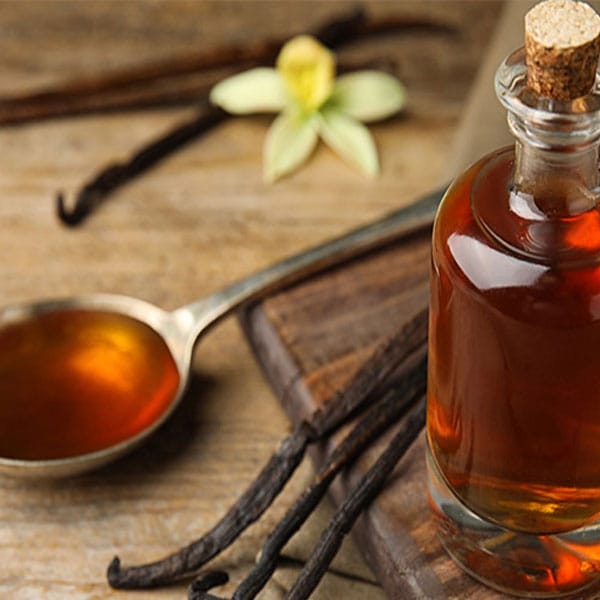
Pure vanilla extract is made by macerating chopped, cured beans in a solution of water and neutral alcohol (at least 35% alcohol by volume under standard culinary regulations) for several months.
Flavor and Sensory Profile
Extract delivers a sharp, clean, concentrated hit of vanillin and foundational vanilla flavor. The alcohol acts as an efficient carrier, dispersing aromatics rapidly across liquids and batters. However, the alcohol itself introduces a brief boozy sharpness that requires either heat to cook off or a sturdy base to absorb it. Extract contains no seeds, so it adds flavor without changing the visual color of white creams or frosting.
vanilla bean vs extract vs paste
Where Pure Extract Works Best (and Why)
High-heat baked goods: Cakes, quick breads, muffins, brownies, and cookies undergo intense oven heat. The deep, nuanced subtleties of raw pods would bake out anyway, making reliable pure extract the most sensible, cost-effective choice.
Pancake and waffle batters: The liquid blends seamlessly into wet ingredients without clumping or demanding steeping time.
Complex, multi-flavor desserts: In a spiced apple tart or a rich dark chocolate cake, vanilla plays a supporting role rather than the lead. Extract provides warmth and rounds off harsh acidic notes without costing a fortune.
The Trade-offs
Because extract is thin and alcohol-dominant, adding too much to cold preparations—like no-churn ice creams, glaze icings, or whipped cream—can introduce an unwanted raw alcohol aftertaste. Additionally, cheap imitation extracts (made from synthetic vanillin derived from wood pulp or petrochemical precursors) lack the real botanical depth of genuine beans. To see how true vanilla is grown, cured, and harvested before it ever reaches a distillation tank, explore our deep dive into vanilla origin and botanical cultivation.
3. Vanilla Bean Paste: The Best of Both Worlds
Vanilla bean paste bridges the gap between liquid convenience and the visual luxury of whole pods. It is made from concentrated vanilla extract mixed with scraped vanilla bean powder or caviar, bound together with a small amount of sugar syrup or natural plant gum (such as tragacanth or xanthan).
Flavor and Sensory Profile
Paste offers the deep, concentrated flavor of extract paired with the visual freckles of whole seeds. Because it is suspended in a thick syrup rather than a runny alcohol solution, it has a mellower initial profile with zero alcoholic burn. It disperses evenly without thinning out delicate mixtures.
Where Vanilla Bean Paste Works Best (and Why)
Buttercreams and cream cheese frostings: Adding tablespoons of liquid extract to an American or Swiss meringue buttercream can loosen the emulsion or cause it to curdle. Paste adds rich flavor and gourmet specks without thinning the structure.
Cheesecakes and custards: You get the visual elegance of real bean flecks without the tedious chore of splitting and scraping individual pods.
Whipped cream and glazes: Because paste contains little to no raw alcohol taste, it blends smoothly into cold, uncooked toppings, creating gorgeous speckling across pale surfaces.
Shortbread and sugar cookies: In pale, buttery cookies where appearance and sweet aroma define the eating experience, paste distributes speckled visual cues evenly across the dough.
The Trade-offs
Quality paste costs noticeably more than standard extract. It also contains trace amounts of natural thickeners and sugars, which means it is not completely neutral in formulation—though the amount added per recipe is rarely enough to disrupt chemistry.

vanilla bean vs extract vs paste
Which One Should You Grab?
When you are mid-recipe and need to make a fast call, use these rules of thumb:
Choose Whole Vanilla Beans when: You are making a custard, ice cream base, or dessert where dairy is warmed gently on the stovetop, and where vanilla is the undeniable headline flavor.
Choose Pure Vanilla Extract when: You are baking cookies, cakes, brownies, or everyday breakfast goods where the batter will endure high oven temperatures and you need quick, liquid dispersion.
Choose Vanilla Bean Paste when: You want the iconic visual appeal of dark seeds in frostings, buttercreams, meringues, or pale sauces without paying pod prices or watering down your recipe’s moisture balance.
A Note on Swapping Between Them
While it is tempting to treat these three ingredients as interchangeable, swapping them haphazardly can affect moisture levels and flavor concentration. If your recipe calls for one format and you only have another on your spice shelf, refer to our specific conversion breakdown on how much extract equals one vanilla bean to get your measurements, moisture, and seed ratios accurate before mixing.
Records mentioned in this article
Frequently Asked Questions
Yes, but do so with caution regarding moisture. Because extract is runnier and carries an alcohol base, adding too much can soften your frosting or leave a faint chemical bite. Add it gradually, or reduce any other liquid (such as milk or heavy cream) called for in the frosting by a teaspoon to compensate.
Whole beans do not spoil in the traditional sense, but they can dry out, turn brittle, and lose their essential oils if exposed to air and heat. Kept in an airtight glass tube or vacuum pouch in a cool, dark cupboard (never the refrigerator), high-moisture beans remain plump and usable for one to two years. If they become stiff, they can still be rehydrated in warm liquids or ground into baking sugars.
No. While paste uses a small amount of sugar syrup or natural binder to keep the scraped seeds evenly suspended throughout the jar, the standard teaspoon or tablespoon used in a typical recipe introduces a negligible amount of sugar—far too little to affect the sweetness or structural setting of your bake.