Next time you bake a batch of chocolate chip cookies or enjoy a scoop of premium ice cream, take a moment to breathe in that warm, complex, sweet aroma of pure vanilla. It is a scent that feels incredibly familiar, almost like home. Yet, behind this everyday kitchen staple lies one of the most astonishing botanical realities on our planet: the flavor we all know and love comes from a delicate, high-maintenance tropical flower.
To put it simply, vanilla is the only orchid we eat.
As sourcing experts who have traced spices back to their absolute origins, we often find that consumers are shocked to learn this. Out of the tens of thousands of flowering plants in its family, this single, slender green vine produces the world’s second most expensive spice. If you want to truly understand what you are paying for when you buy real vanilla extract or whole beans, you need to understand the flower behind it. Let’s dive into some of the most fascinating vanilla orchid facts and explore the journey from a fleeting blossom to a culinary masterpiece.
A Singular Standout in a Massive Family
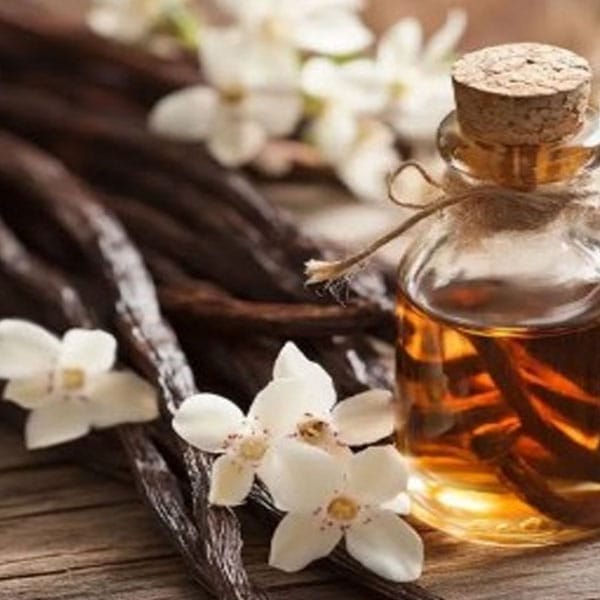
To appreciate how unique vanilla is, you have to look at its family tree. The orchid family, scientifically known as Orchidaceae, is one of the two largest families of flowering plants in the world. It boasts over 25,000 accepted species. Orchids grow on almost every continent, thriving in diverse climates from tropical rainforests to cool mountainous regions. They are universally prized for their stunning, complex, and colorful blooms, dominating the global ornamental flower trade.
vanilla orchid facts
Yet, despite this massive biodiversity, the Orchidaceae family produces only one agriculturally significant food crop: Vanilla.
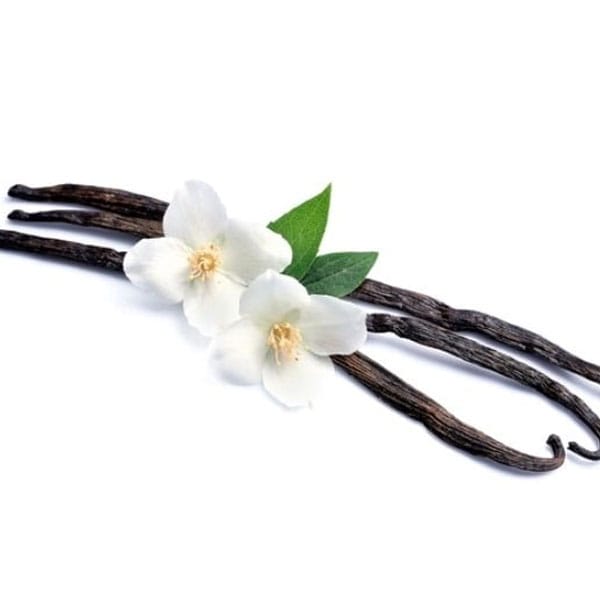
While a few other orchids have historical medicinal uses or are used locally for teas, vanilla is the only globally traded, edible fruit-bearing orchid. When we talk about vanilla, we are specifically talking about the seed pod (often called a “bean”) of the orchid vine. The primary species that yields the classic, rich flavor profile we recognize is Vanilla planifolia. This specific vine requires very specific growing conditions—high humidity, tropical temperatures, and indirect sunlight—usually found within 10 to 20 degrees of the equator.
The Three Commercial Species You Need to Know
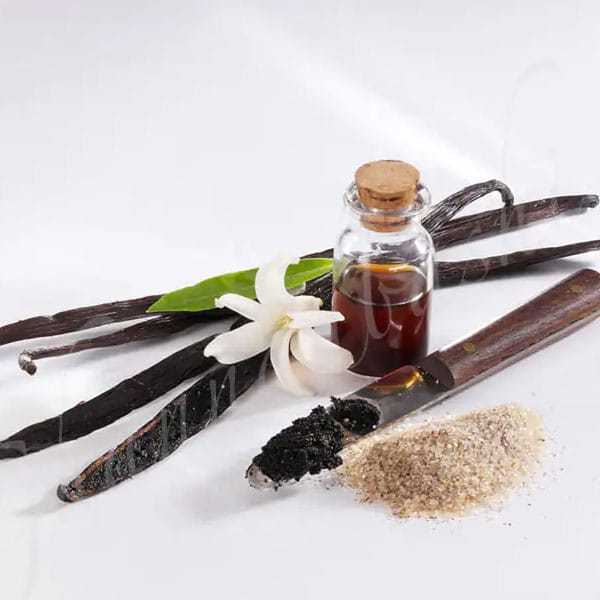
While Vanilla planifolia is the undisputed king of the vanilla world, accounting for the vast majority of global production, it is not the only species grown for consumption. In the commercial spice trade, we categorize edible vanilla into three distinct species, each offering a totally different aromatic experience.
1. Vanilla planifolia (Bourbon and Mexican Vanilla)
This is the industry standard. Originating in Mexico, it is now primarily grown in Madagascar, Uganda, and Indonesia. When grown in the Indian Ocean islands, it is referred to as Bourbon vanilla. It is beloved for its deep, creamy, rich, and highly vanillin-dense flavor profile.
2. Vanilla tahitensis (Tahitian Vanilla)
This species is actually a natural crossbreed (a hybrid of V. planifolia and V. odorata). Grown mostly in French Polynesia and Papua New Guinea, its pods are thicker and hold more moisture. The flavor is profoundly different—floral, fruity, with notes of cherry and anise, making it a favorite among high-end pastry chefs.
3. Vanilla pompona (West Indian Vanilla)
This is the rarest of the three commercial species. It produces a very large, thick pod (sometimes called “banana vanilla”). While it has a lower vanillin content than planifolia, it possesses unique floral and citrus notes. It is often used in the perfume industry, though niche culinary markets are beginning to appreciate it.
For a deeper dive into how terroir and species affect the final flavor in your kitchen, you should read our comprehensive comparison of Bourbon, Tahitian, and Mexican vanilla, which breaks down the tasting notes of each origin.
vanilla orchid facts
A Race Against Time
One of the most mind-blowing vanilla orchid facts is how the plant reproduces. The vanilla orchid is notoriously difficult to pollinate. When the vine finally matures—which takes about three to four years after planting—it produces beautiful, pale yellow-green orchids. However, there is a catch: the flower opens for only one day, and specifically, for just a few hours in the morning.
In its native home of Mexico, a specific species of Melipona bee has evolved to penetrate the flower’s natural shield and pollinate it. But when European explorers took the vanilla vine across the globe to places like Madagascar or Indonesia, the vines grew and flowered, but never produced any pods. The local insects simply didn’t know how to pollinate them.
It wasn’t until 1841, when a 12-year-old enslaved boy named Edmond Albius living on the island of Réunion invented a practical method for manual pollination, that global vanilla cultivation became possible. Using just a small bamboo stick and his thumb, he figured out how to lift the rostellum (the flap separating the male and female organs) and press the pollen together.
Today, this exact same technique is still used. Because the flower dies by the afternoon if unpollinated, farmers must walk their plantations every single morning during blooming season, inspecting every vine. It is an astonishing reality that every single commercial vanilla flower in the world is hand-pollinated. This immense, painstaking human labor is the primary reason real vanilla commands such a high price.
From Green Pod to Black Gold
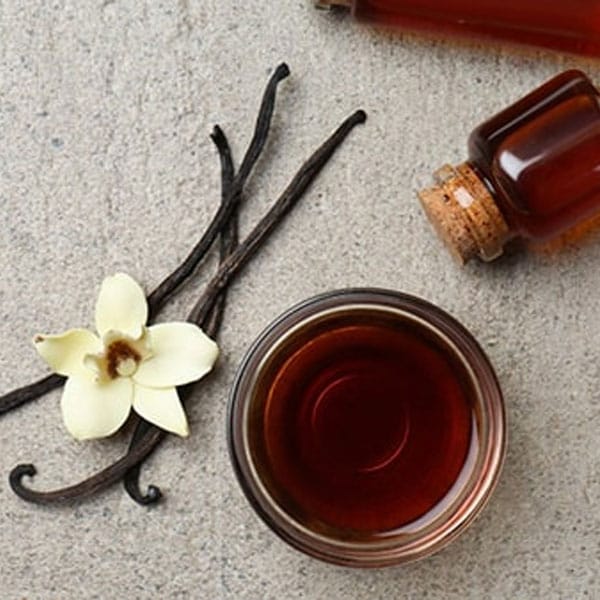
If you were to bite into a fresh, green vanilla pod right off the vine, you would be incredibly disappointed. It has absolutely no vanilla flavor or aroma.
vanilla orchid facts
The magic happens after the harvest. The green orchids undergo a rigorous curing process that involves blanching, sweating in wooden boxes, and sun-drying over the course of several months. This curing process creates enzymatic reactions inside the pod, breaking down glucosides into vanillin—the primary compound responsible for that iconic smell.
The transformation from a scentless green fruit of an orchid into a shriveled, dark, aromatic spice is a masterclass in agricultural artistry. As sourcing professionals, we evaluate these final cured beans based on moisture content, length, and vanillin yield to ensure maximum quality. If you are interested in exploring the exact specifications, grading systems, and global sourcing data of this spice, you can explore our complete https://originandsource.com/origin/vanilla/ database.
Ultimately, the fact that vanilla is the only orchid we eat adds a layer of romance and reverence to our food. Every drop of real vanilla extract in your pantry is the result of years of vine growth, a single morning of precise hand-pollination, and months of careful curing. It is, without a doubt, nature’s most extraordinary edible flower.
Records mentioned in this article
Frequently Asked Questions
While the Orchidaceae family has over 25,000 species, vanilla is the only genus that produces a fleshy, fruit-like seed pod with recognized culinary and aromatic value. Other orchids either produce microscopic seeds without fleshy pods or contain compounds that are not suitable for human consumption, making vanilla an evolutionary anomaly in the culinary world.
The main species used globally is Vanilla planifolia. This species produces the classic, rich, and creamy flavor associated with traditional vanilla. Depending on where it is grown, it may be sold under regional names such as Madagascar Bourbon vanilla or Mexican vanilla, but botanically, it is the exact same orchid species.
Yes. Pure natural vanilla extract is made by macerating and percolating chopped, cured vanilla beans in a solution of ethyl alcohol and water. Those vanilla beans are the mature, dried fruit pods that develop directly from the pollinated blossoms of the vanilla orchid vine.