When you receive a commercial invoice for fifty or a hundred kilograms of vanilla, what exactly are you paying for? On the surface, the invoice lists the origin, the grade, and the total weight. But the invisible line item that truly dictates the financial reality of your purchase is water. In the highly specialized world of commercial spice sourcing, vanilla bean moisture content is not just a technical specification; it is the ultimate deciding factor in determining your true cost, your final yield, and whether your bulk purchase is a lucrative investment or a costly miscalculation.
If you are sourcing vanilla for commercial extraction, culinary distribution, or industrial food production, failing to account for moisture means you are navigating blindly. Water weight manipulates the scale, influences the risk of microbial growth during transit, and directly controls the concentration of flavor compounds you receive per dollar spent. Let us break down the exact economics of vanilla moisture, how it defines grading, and why understanding this metric will fundamentally change how you read your next invoice.
Higher Weight Means Less Vanillin per Kilo
To understand the economics of vanilla, you must look past the gross weight and focus on the dry matter. The fundamental rule of sourcing this spice is simple but often overlooked by novice buyers: higher moisture content inevitably means you are purchasing more water and less actual vanilla compound per kilogram.
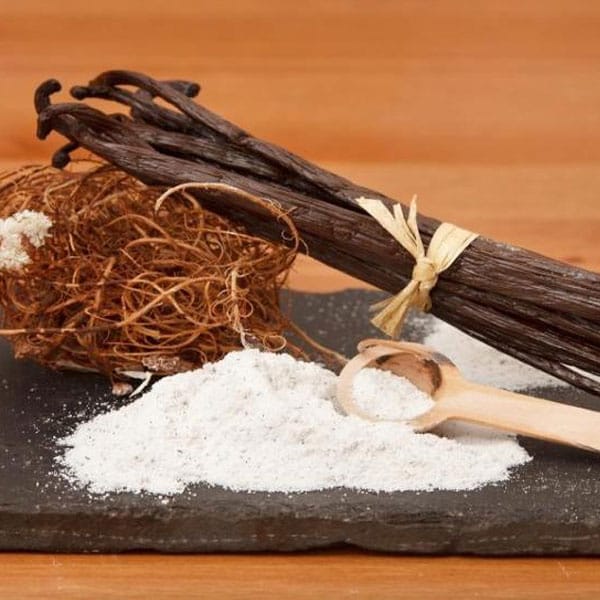
vanilla bean moisture content
Imagine two separate one-kilogram batches of vanilla beans.
Batch A has a moisture content of 35%. This means 350 grams of that kilogram is purely water, leaving 650 grams of dry vanilla matter.
Batch B has a moisture content of 20%. In this batch, only 200 grams is water, leaving 800 grams of dry matter.
Vanillin—the primary chemical compound responsible for the signature vanilla aroma and flavor—is a percentage of the dry weight of the bean. Because Batch B contains significantly more dry matter per kilogram, it yields a much higher absolute volume of vanillin. When you purchase high-moisture beans for extraction, you are effectively paying premium vanilla prices for water. Your extraction facility will have to process a heavier, bulkier load to achieve the same vanillin target, which drives up solvent costs and processing time. Therefore, if your primary goal is maximizing flavor yield and minimizing raw material waste, high moisture is actively working against your profit margins.
How Moisture is Directly Tied to the Vanilla Grading System
Moisture content is not an accident of the curing process; it is a highly controlled target that strictly defines the commercial categorization of the product. The industry does not separate beans into grades merely by length or appearance; the dividing line is fundamentally about water. This is why understanding moisture is impossible without understanding the vanilla gradingstandards.
Grade A (Gourmet / Prime)
Grade A beans are the darling of the retail and high-end culinary world. They typically boast a moisture content ranging from 30% to 35%. Because of this high water retention, these beans are visually stunning: plump, oily, pliable, and easy for a pastry chef to slice open and scrape the caviar out of. However, they are a terrible choice for large-scale extraction. The high moisture that makes them beautiful also makes them heavy, meaning the buyer pays a massive premium for water weight. Furthermore, beans with over 30% moisture carry a significantly higher risk of developing mold if they are not stored and breathed properly.
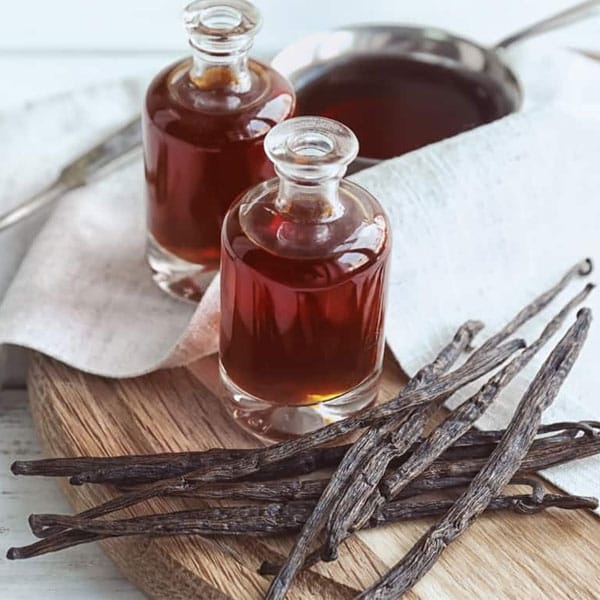
vanilla bean moisture content
Grade B (Extract Grade)
Grade B beans are engineered for industrial efficiency. Their target moisture content sits much lower, typically between 15% and 25%. Because they have been cured and dried longer, they appear shriveled, reddish-black, and are stiff or brittle to the touch. A retail consumer might view them as inferior, but to a commercial flavor extractor, they are the gold standard. The low moisture means the vanillin and other complex aromatic compounds are highly concentrated. The extractor gets more raw flavor material per invoiced kilogram, making the lower moisture directly responsible for a better ROI.
The Hidden Cost of Water
One of the most stressful aspects of importing vanilla is “shrinkage”—the natural loss of weight that occurs during international transit. This phenomenon is entirely driven by the vanilla bean moisture content.
When a farmer or consolidator in Madagascar, Indonesia, or Uganda packs a box of high-moisture Grade A beans, the scale might read exactly 25 kilograms. However, depending on the packaging method, transit time, and temperature fluctuations, those beans will continue to “breathe” and lose moisture. By the time that box lands in your warehouse in Europe or North America weeks later, it might only weigh 24 or 23.5 kilograms.
If your invoice was calculated based on the origin weight—which is the standard in most FOB or CIF contracts—you have just paid for a kilogram of water that evaporated over the ocean. Managing this risk requires strict contractual agreements regarding moisture parameters at the time of packing, as well as utilizing modern packaging techniques like vacuum sealing, though the latter introduces its own risks of anaerobic fermentation if the moisture is too high to begin with. Mastering these logistics is the foundation of buying bulk vanilla without loss, ensuring that the invoice you pay accurately reflects the usable product you receive.
Calculating the True Cost of Your Invoice
Sophisticated buyers do not simply compare the price per kilogram when sourcing vanilla; they calculate the price per kilogram of dry matter, or more specifically, the cost per percentage point of vanillin yield.
If a supplier offers you Grade A beans at $200 per kilogram (at 35% moisture) and Grade B beans at $170 per kilogram (at 20% moisture), the price gap is actually much wider than the $30 difference suggests. When you factor in the concentrated dry matter of the Grade B beans, the cost efficiency for an extractor is vastly superior. Understanding this allows you to negotiate from a position of absolute authority. You can challenge suppliers on their moisture lab reports, stipulate penalties for shipments that exceed maximum moisture thresholds, and precisely forecast your extraction yields before the cargo even leaves the port.
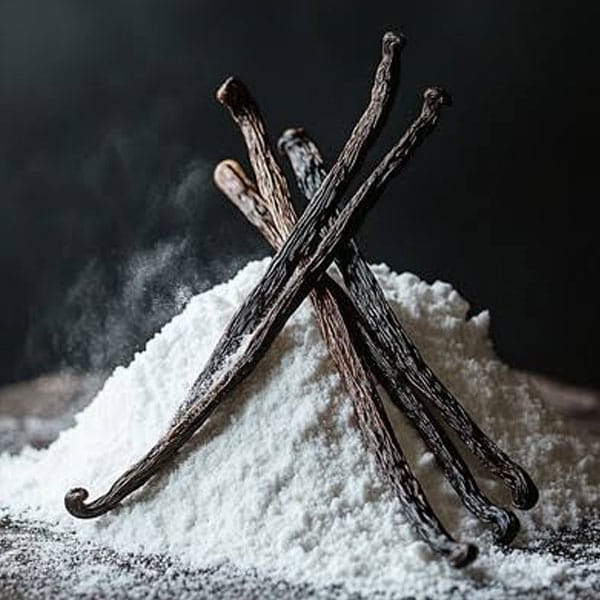
vanilla bean moisture content
For buyers looking to explore the full spectrum of global supply chains, regional moisture standards, and historical pricing data, our central database at https://originandsource.com/origin/vanilla/ provides the essential market intelligence needed to source confidently.
The invoice you receive from a vanilla supplier is a mathematical equation, and moisture is the most critical variable. High moisture delivers plump, beautiful beans perfect for culinary presentations but dilutes the vanillin yield and increases your cost per usable gram. Low moisture delivers the concentrated, stable raw material required for profitable commercial extraction. By shifting your focus from the gross weight to the vanilla bean moisture content, you transition from being a passive purchaser to a strategic sourcer—ensuring that every dollar on your invoice translates into measurable, usable quality.
Records mentioned in this article

Frequently Asked Questions
For commercial vanilla extraction, the ideal moisture content is between 15% and 25% (Grade B). This range ensures a high concentration of vanillin per kilogram of purchased weight, minimizes the amount of water interfering with the solvent (usually an alcohol/water blend), and virtually eliminates the risk of mold during long-term warehouse storage.
Grade A beans command a premium because of their visual appeal, pliability, and the intense labor required to cure them perfectly without them molding at high moisture levels (30-35%). They are designed for chefs and retail consumers who need soft beans to scrape out the vanilla caviar, a process where physical texture is more important than pure chemical concentration.
To prevent financial loss from shrinkage, specify exact moisture limits in your purchasing contracts and request pre-shipment lab certificates. Additionally, negotiate terms based on landed weight rather than origin weight if possible, and work with suppliers who use proper commercial vacuum packing to lock in the moisture profile from the point of origin to your facility.