Discover the unique terroir and strict PDO (Protected Designation of Origin) standards that make La Mancha saffron the gold standard of the premium spice trade. Renowned for its intense floral aroma, vibrant crimson stigmas, and deep earthy flavor, this Spanish variety offers unmatched culinary and commercial value. Learn how to verify authentic harvests, avoid market counterfeits, and source directly from the world’s most prestigious saffron-producing region.
Saffron at a Glance: Key Facts for Buyers & Businesses
| Category | Details |
|---|---|
| Botanical Name | Crocus sativus L. |
| Primary Origins | Iran (90%), Afghanistan, Spain, Kashmir (India), Greece |
| Active Compounds | Crocin (color), Picrocrocin (flavor), Safranal (aroma) |
| Grading Standards | ISO 3632 (Category I–III based on crocin, picrocrocin, safranal levels) |
| Common Grades | Sargol (all-red threads), Negin (premium long threads), Pushal (red + some yellow) |
| Retail Price Range (2026) | 8– 15/gram (premium), 500 – 500– 3,000/kg (bulk, B2B) |
| Key Quality Indicators | Deep red color, minimal yellow threads, strong aroma, moisture <12%, no additives |
| Shelf Life | 2–3 years (airtight, cool, dark storage) |
| Culinary Uses | Paella, risotto, Persian rice, desserts, teas |
| Health Benefits | Antioxidant, mood support, potential anti-inflammatory properties* |
| Buying Tips for Consumers | Buy threads (not powder), check ISO cert, test 2–3 threads in warm water |
| Sourcing Tips for Businesses | Request lab reports (ISO 3632), verify origin docs, sample before bulk orders |
Saffron at a Glance: Key Facts for Buyers & Businesses. Origin, grades, 2026 prices, and purity checks — the essentials for both home and bulk saffron buyers, in one table. Columns: Category, Details. Botanical Name — Crocus sativus L.. Primary Origins — Iran (90%), Afghanistan, Spain, Kashmir (India), Greece. Active Compounds — Crocin (color), Picrocrocin (flavor), Safranal (aroma). Grading Standards — ISO 3632 (Category I–III based on crocin, picrocrocin, safranal levels). Common Grades — Sargol (all-red threads), Negin (premium long threads), Pushal (red + some yellow). Retail Price Range (2026) — 8– 15/gram (premium), 500 – 500– 3,000/kg (bulk, B2B). Key Quality Indicators — Deep red color, minimal yellow threads, strong aroma, moisture <12%, no additives. Shelf Life — 2–3 years (airtight, cool, dark storage).
When sourcing premium ingredients for commercial or culinary use, few spices require as much scrutiny as saffron. As a product sourcing expert, I’ve evaluated saffron from every major producing region, and I can tell you that the market is flooded with mislabeled products. “Spanish saffron” is a common label, but true La Mancha Saffron (Azafrán de La Mancha) is a rare, heavily protected, and distinctively processed spice.
So, why do top chefs and buyers specifically hunt down the La Mancha variety, and how does it actually compare to the powerhouse production of Iranian saffron or the heavy threads of Kashmir?
Here is the exact breakdown of what makes La Mancha saffron unique, how it is processed, and how you can ensure you are buying the genuine article.
The Secret is in the Fire
If you want the short version of what makes this saffron distinct, it comes down to two things: Terroir and the Toasting Process.
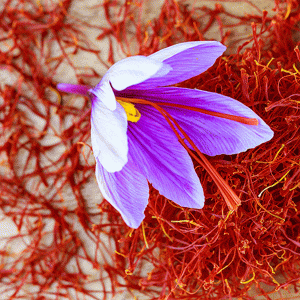
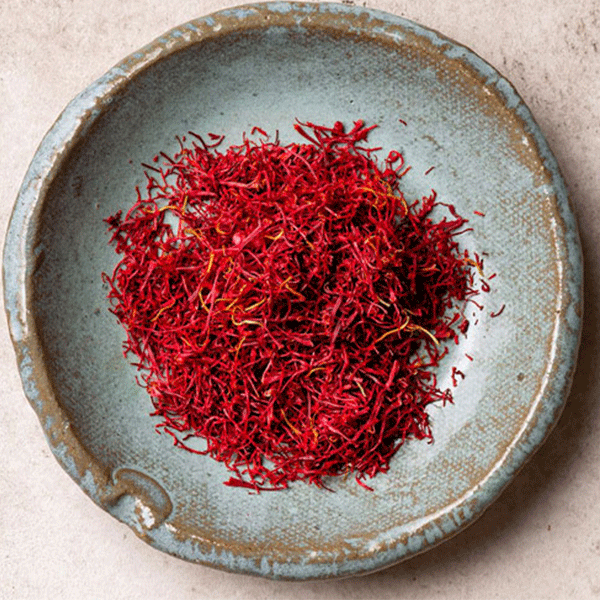
Unlike most saffron globally, which is naturally air-dried or sun-dried, genuine La Mancha saffron is toasted over warm ash or hot coals almost immediately after the stigmas are plucked from the crocus flower. This gentle roasting process stops oxidation instantly, locking in the essential oils and giving the threads a highly distinct, slightly smoky, and deeply earthy aroma that you simply do not find in air-dried saffron.
La Mancha saffron
The Terroir: The Harsh Climate of Castilla-La Mancha
The Crocus sativus flower is incredibly sensitive to its environment. The central plateau of Spain, specifically the Castilla-La Mancha region, offers extreme continental weather: freezing, harsh winters and blistering, dry summers.
This environmental stress forces the crocus bulb to store concentrated nutrients. When the flowers bloom for a fleeting two-week window in late October, the resulting stigmas are rich in the three chemical compounds that dictate saffron quality:
Crocin: Provides the deep red-orange color.
Picrocrocin: Delivers the slightly bitter, earthy flavor.
Safranal: Creates the unmistakable floral hay aroma.
The “Monda” and the Anatomy of the Thread
To understand La Mancha saffron, you need to look closely at the thread itself.
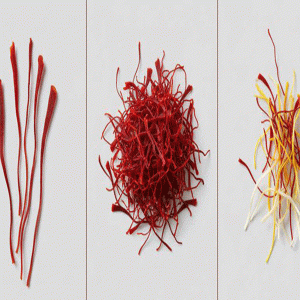
In regions like Iran, premium grades like Negin or Sargol are heavily manicured to remove every trace of the yellow style, leaving only the pure red stigma. This maximizes the crocin (color) level.
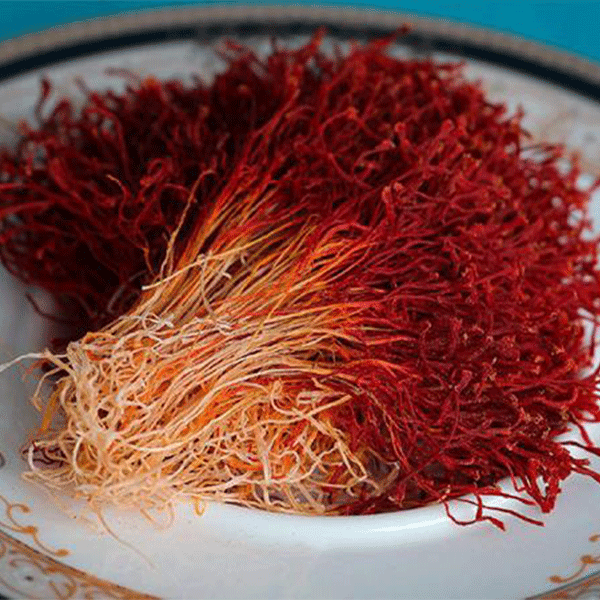
La Mancha producers, however, practice a traditional peeling method called the monda. They intentionally leave a tiny portion of the yellow/white style attached to the red stigma. While this slightly lowers the overall color concentration per gram compared to top-tier Iranian Negin, it acts as a natural seal. Keeping the stigmas attached in their natural trio prevents the vital volatile oils from escaping.
Saffron Business and Trade Guide: Learn to identify true quality, negotiate fair prices, and build a reliable global supply network.
La Mancha vs. Global Competitors
| Saffron Origin / Grade | Drying Method | Visual Profile | Flavor & Aroma Profile | Best Culinary Use |
|---|---|---|---|---|
| La Mancha (Spain) DOP Certified | Toasted over warm ash/coals | Deep red with a tiny yellow tail attached. | Earthy, highly aromatic, slightly smoky, strong floral notes. | Paella, traditional Spanish stews, creamy risottos. |
| Negin / Sargol (Iran) Standard to Premium | Air-dried or modern machine dried | All-red threads, completely trimmed, very thick. | Intense coloring power, sharp sweet-hay aroma, slightly bitter taste. | Persian rice dishes, teas, desserts, commercial coloring. |
| Mongra (Kashmir, India) Rare / High Grade | Sun-dried | Dark maroon-purple, extremely long and thick threads. | Highly pungent, sweet aroma, very strong flavor. | Biryanis, rich curries, infused milk and sweets. |
“Spanish Saffron” vs. “La Mancha Saffron”
Here is the most critical piece of buying advice I can offer: Not all saffron exported from Spain was grown in Spain.
Spain exports significantly more saffron than it actually grows. How? A common industry practice involves importing massive quantities of bulk saffron from Iran or Afghanistan, repackaging it in Spain, and labeling it as “Spanish Saffron” or “Packed in Spain.” While this imported saffron might be of perfectly good quality, it does not have the terroir or the traditional toasting process of authentic La Mancha saffron, and you shouldn’t be paying La Mancha prices for it.
La Mancha saffron
How to Verify Authentic La Mancha Saffron
If you want to ensure your investment is going toward the real deal, follow this checklist before buying:
Look for the DOP Seal: Authentic La Mancha saffron will always carry the Denominación de Origen Protegida (DOP) sticker. This seal features a unique tracking number and ensures the saffron was grown, harvested, and packaged strictly within specific municipalities of Castilla-La Mancha.
Check the Harvest Year: True DOP packaging must state the exact year of harvest. Saffron loses potency over time; you generally want to consume it within two to three years of harvest.
Inspect the Threads (Never Buy Powder): Look for the tiny yellow tips. If the threads are entirely red, it might be high-quality Iranian saffron repacked in Spain, but it is not traditional La Mancha. If you are buying powder, you are opening yourself up to adulteration (often mixed with turmeric, safflower, or paprika).
Evaluate the Price: Growing and hand-harvesting saffron in Europe is incredibly labor-intensive. If the price seems like a bargain (e.g., $3 for a gram), it is either very old, heavily adulterated, or not from La Mancha.
How to Prepare La Mancha Saffron for Maximum Flavor
Because La Mancha saffron is already toasted, its oils are stable but tightly locked inside the thread.
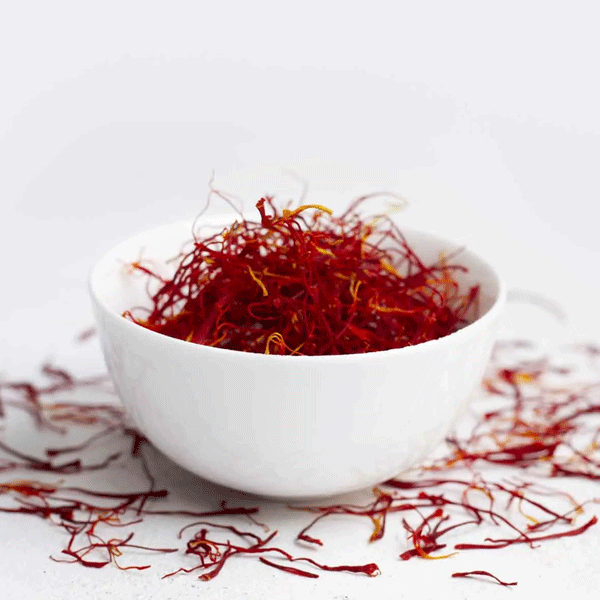
To get the most out of it, never throw raw threads directly into a dish. Instead, lightly crush a pinch of threads in a mortar and pestle (you don’t need a fine powder, just a rough break). Then, steep the crushed threads in warm (not boiling) water, broth, or milk for at least 15 to 20 minutes before adding the liquid to your recipe. This rehydrates the threads and extracts the maximum amount of crocin and safranal.
Records mentioned in this article
Frequently Asked Questions
Unlike most saffron that is air-dried, La Mancha saffron is gently toasted over warm ash or hot coals immediately after harvesting, locking in its essential oils.
Buyers should look for the official DOP (Denominación de Origen Protegida) seal, the exact harvest year on the packaging, and threads that retain a tiny yellow tail.
The attached yellow tip acts as a natural seal, keeping the three stigmas together and preventing the vital volatile oils from escaping.