The global saffron market is a complex network where true origins are often obscured by multi-layered supply chains and international repackaging hubs.This guide breaks down the hidden economics of wholesale sourcing, exploring everything from regional yield factors and pricing margins to strict ISO grading standards.
Saffron at a Glance: Key Facts for Buyers & Businesses
| Category | Details |
|---|---|
| Botanical Name | Crocus sativus L. |
| Primary Origins | Iran (90%), Afghanistan, Spain, Kashmir (India), Greece |
| Active Compounds | Crocin (color), Picrocrocin (flavor), Safranal (aroma) |
| Grading Standards | ISO 3632 (Category I–III based on crocin, picrocrocin, safranal levels) |
| Common Grades | Sargol (all-red threads), Negin (premium long threads), Pushal (red + some yellow) |
| Retail Price Range (2026) | 8– 15/gram (premium), 500 – 500– 3,000/kg (bulk, B2B) |
| Key Quality Indicators | Deep red color, minimal yellow threads, strong aroma, moisture <12%, no additives |
| Shelf Life | 2–3 years (airtight, cool, dark storage) |
| Culinary Uses | Paella, risotto, Persian rice, desserts, teas |
| Health Benefits | Antioxidant, mood support, potential anti-inflammatory properties* |
| Buying Tips for Consumers | Buy threads (not powder), check ISO cert, test 2–3 threads in warm water |
| Sourcing Tips for Businesses | Request lab reports (ISO 3632), verify origin docs, sample before bulk orders |
Saffron at a Glance: Key Facts for Buyers & Businesses. Origin, grades, 2026 prices, and purity checks — the essentials for both home and bulk saffron buyers, in one table. Columns: Category, Details. Botanical Name — Crocus sativus L.. Primary Origins — Iran (90%), Afghanistan, Spain, Kashmir (India), Greece. Active Compounds — Crocin (color), Picrocrocin (flavor), Safranal (aroma). Grading Standards — ISO 3632 (Category I–III based on crocin, picrocrocin, safranal levels). Common Grades — Sargol (all-red threads), Negin (premium long threads), Pushal (red + some yellow). Retail Price Range (2026) — 8– 15/gram (premium), 500 – 500– 3,000/kg (bulk, B2B). Key Quality Indicators — Deep red color, minimal yellow threads, strong aroma, moisture <12%, no additives. Shelf Life — 2–3 years (airtight, cool, dark storage).
Step into any high-end spice market, and the price tag on a tiny vial of saffron will immediately catch your eye. Often trading for more than its weight in gold, saffron is a legendary commodity. But for those looking to enter the saffron trade market—whether as an importer, a chef sourcing ingredients, or a retail brand—the retail price is just the tip of the iceberg.
To truly understand how to buy, sell, or invest in saffron, you have to look past the vibrant red threads and dive into the hidden economics of its global supply chain. The reality of where saffron comes from, who makes the real profit, and how quality is graded is entirely different from what most consumers believe.
The Great Saffron Paradox: Production vs. Export
The most critical insight for any new buyer in the saffron market is understanding the disconnect between production and export.
If you look at the raw agricultural data, Iran produces roughly 85% to 90% of the world’s saffron. The climate in the Khorasan region is perfectly suited for the Crocus sativus flower. However, if you look at retail shelves in Europe or North America, you will predominantly see “Spanish Saffron.”
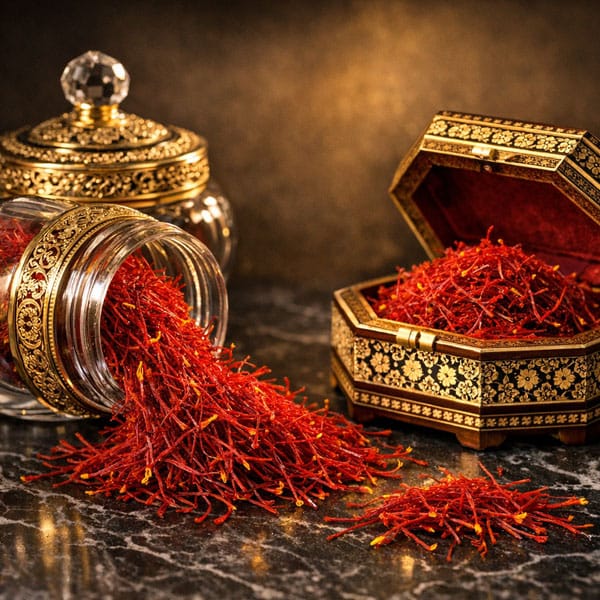
Global saffron trade
How does this happen?
The answer lies in global trade dynamics and banking restrictions. Because direct trade with the primary source is heavily restricted by geopolitical barriers, a massive secondary market has emerged. Bulk saffron is shipped from local farmers to neighboring trade hubs—primarily the UAE (Dubai) and Spain. There, it is tested, repackaged, branded, and exported to the rest of the world at a significant markup. Spain, while producing a very small amount of its own highly prized Azafrán de La Mancha, acts primarily as the world’s master packer and distributor.
For a commercial buyer, this means understanding that the “Country of Origin” on a label might indicate where the spice was packaged, not where the flower was grown.
Saffron Business and Trade Guide: Master the complexities of global sourcing, verify authentic quality, and unlock true wholesale value for your brand.
Saffron Origins: A Comparative Market Sourcing Guide
| Country of Origin | Global Market Role | Quality & Characteristics | Buyer’s Verdict |
|---|---|---|---|
| Iran (Khorasan) | Primary Grower (~85-90% volume) | Deep red threads, high crocin (color) levels. Offers multiple grades (Negin, Sargol). | Best for bulk sourcing and high-potency extraction. Requires navigating complex logistics. |
| Spain (La Mancha) | Global Packager & Premium Exporter | Milder, slightly sweeter aroma. Native harvest is small, but strictly regulated (PDO status). | Excellent for high-end retail branding. Buyers must verify if it’s native Spanish or repackaged import. |
| Afghanistan (Herat) | Emerging Premium Source | Exceptional aroma and flavor. Consistently wins international taste awards. | Ideal for specialty spice brands seeking high-quality, ethically sourced narratives. |
| India (Kashmir) | Niche Premium Market | Thicker stigma, very dark maroon color. Earthy flavor profile. Low yield. | Highly sought after by connoisseurs but rarely found outside domestic Indian markets. |
Why is Saffron So Expensive?
To make informed purchasing decisions, you must understand where the money goes in the supply chain. Saffron cannot be mechanized.
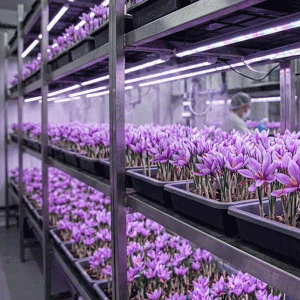
The Labor (The Bottleneck): It takes approximately 75,000 to 150,000 flowers to produce just one kilogram of dried saffron. Every single flower must be picked by hand at dawn before the sun wilts the petals.
The Processing: The three delicate red stigmas inside the flower must be manually separated and carefully dried.
The Middlemen Markup: Farmers usually sell to local brokers, who aggregate the harvest. It then moves to international exporters. By the time it travels from a farm in Herat or Khorasan to a commercial kitchen in New York or London, it has passed through three to five intermediaries, with each taking a 20% to 50% margin.
Business Insight: If you are buying wholesale saffron, your goal is to shorten this chain. Sourcing directly from agricultural cooperatives in the origin country or established wholesale hubs in Dubai can cut your landed costs by up to 40%.
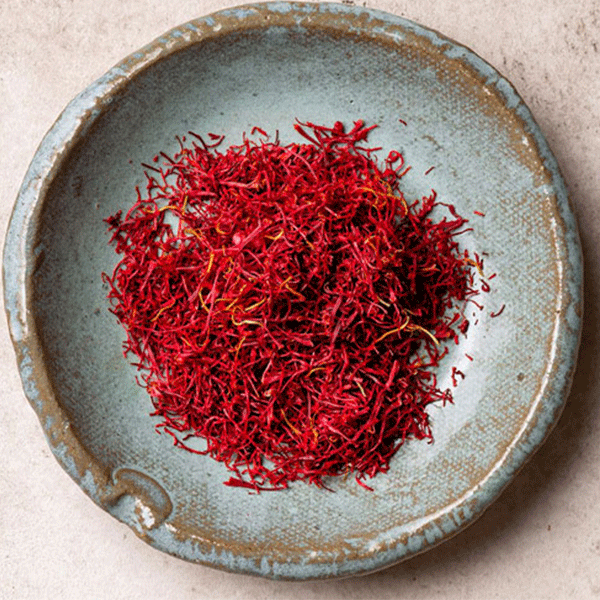
Global saffron trade
Deciphering Saffron Grades: What Should You Buy?
Not all saffron is created equal. The part of the thread you purchase dictates the quality, strength, and price. If you are ordering samples from a supplier, use this decision framework:
Super Negin / Negin: This is the highest quality available. It consists solely of the all-red, top portions of the stigma. It is longer, thicker, and contains the highest levels of crocin (color) and safranal (aroma). Best for: Luxury retail brands, high-end restaurants, and pharmaceutical/cosmetic extracts.
Sargol: Meaning “top of the flower,” this is also an all-red grade but with shorter, slightly broken threads compared to Negin. Best for: Everyday culinary use, spice blends, and food manufacturing where visual thread length doesn’t matter.
Pushal (or Bunch): This grade includes the red stigmas along with some of the yellow/white style attached at the bottom. It has less coloring strength per gram.
Best for: Budget-conscious buyers, or traditional markets where buyers want to see the yellow tail as proof that the saffron isn’t dyed.
Records mentioned in this article
Frequently Asked Questions
Spain acts as a massive global packing and distribution hub. Due to geopolitical trade restrictions, bulk saffron is often routed through intermediaries to Spain, where it is repackaged and exported worldwide under Spanish brands.
Extreme manual labor. It takes between 75,000 and 150,000 flowers—which must be hand-picked at dawn, with the delicate stigmas manually separated—just to produce a single kilogram of dried saffron.
By using the water test. Drop a few threads into warm water; real saffron will slowly release a golden-yellow color over 10-15 minutes while the thread remains red, whereas fake saffron will rapidly release red dye and turn white.