Master the art of Shole Zard with this foolproof, experience-based guide to crafting authentic Persian saffron rice pudding, a naturally vegan and gluten-free centerpiece for any gathering.
Saffron at a Glance: Key Facts for Buyers & Businesses
| Category | Details |
|---|---|
| Botanical Name | Crocus sativus L. |
| Primary Origins | Iran (90%), Afghanistan, Spain, Kashmir (India), Greece |
| Active Compounds | Crocin (color), Picrocrocin (flavor), Safranal (aroma) |
| Grading Standards | ISO 3632 (Category I–III based on crocin, picrocrocin, safranal levels) |
| Common Grades | Sargol (all-red threads), Negin (premium long threads), Pushal (red + some yellow) |
| Retail Price Range (2026) | 8– 15/gram (premium), 500 – 500– 3,000/kg (bulk, B2B) |
| Key Quality Indicators | Deep red color, minimal yellow threads, strong aroma, moisture <12%, no additives |
| Shelf Life | 2–3 years (airtight, cool, dark storage) |
| Culinary Uses | Paella, risotto, Persian rice, desserts, teas |
| Health Benefits | Antioxidant, mood support, potential anti-inflammatory properties* |
| Buying Tips for Consumers | Buy threads (not powder), check ISO cert, test 2–3 threads in warm water |
| Sourcing Tips for Businesses | Request lab reports (ISO 3632), verify origin docs, sample before bulk orders |
Saffron at a Glance: Key Facts for Buyers & Businesses. Origin, grades, 2026 prices, and purity checks — the essentials for both home and bulk saffron buyers, in one table. Columns: Category, Details. Botanical Name — Crocus sativus L.. Primary Origins — Iran (90%), Afghanistan, Spain, Kashmir (India), Greece. Active Compounds — Crocin (color), Picrocrocin (flavor), Safranal (aroma). Grading Standards — ISO 3632 (Category I–III based on crocin, picrocrocin, safranal levels). Common Grades — Sargol (all-red threads), Negin (premium long threads), Pushal (red + some yellow). Retail Price Range (2026) — 8– 15/gram (premium), 500 – 500– 3,000/kg (bulk, B2B). Key Quality Indicators — Deep red color, minimal yellow threads, strong aroma, moisture <12%, no additives. Shelf Life — 2–3 years (airtight, cool, dark storage).
If there’s one dessert that captures the soul of Persian hospitality, it’s Shole Zard. The moment a pot of this golden rice pudding starts simmering on the stove, the entire house fills with the intoxicating, floral aroma of brewed saffron, rosewater, and cardamom.
Growing up, Shole Zard wasn’t just a dessert; it was an event. We made it for celebrations, for the Persian New Year (Nowruz), and as a traditional offering (Nazri) shared with neighbors.
If you are trying to recreate this magical dessert at home, you might find yourself intimidated by getting the texture just right. Will it be too watery? Too stiff? Don’t worry. I’ve made all the mistakes so you don’t have to. In this guide, I’ll walk you through the exact multi-step process, how to choose your ingredients, and how to troubleshoot like a seasoned Persian chef.
Shole Zard recipe
What is Shole Zard?
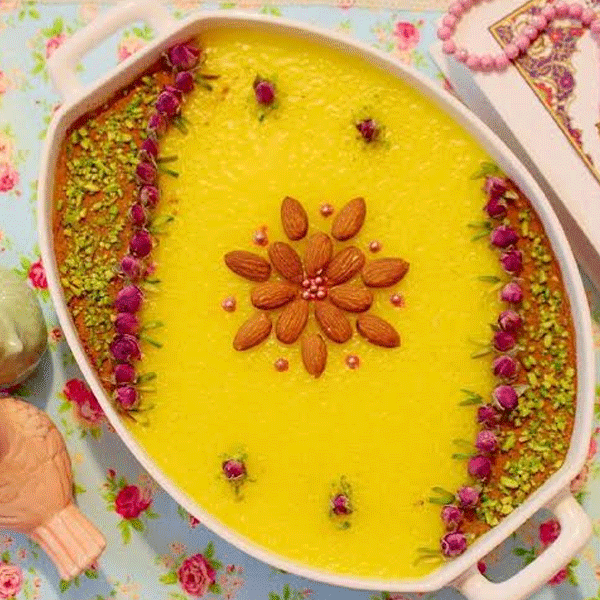
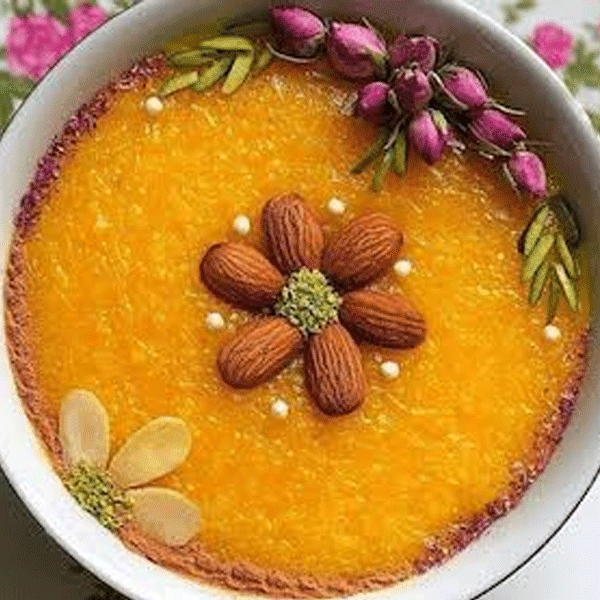
At its core, Shole Zard (literally translating to “yellow pudding”) is a naturally vegan, gluten-free Persian dessert made from slow-cooked rice, sugar, premium saffron, rosewater, and slivered almonds. Unlike Western rice puddings, it uses water instead of milk, giving it a lighter, jewel-like consistency that melts in your mouth.
Saffron Culinary Arts: Elevate your kitchen with a sensory journey through generations of Persian heritage, one golden grain at a time.
Decision Making: Which Rice Pudding Are You Craving?
| Feature | Shole Zard 🇮🇷 | Western Rice Pudding 🇺🇸/🇬🇧 | Shir Berenj 🇮🇷 |
|---|---|---|---|
| Base Liquid | Water (Naturally Vegan) | Whole Milk / Heavy Cream | Whole Milk |
| Flavor Profile | Saffron, Rosewater, Cardamom | Vanilla, Cinnamon, Nutmeg | Rosewater, served with Jam/Honey |
| Texture | Gelatinous, smooth, broken grains | Creamy, thick, whole grains | Creamy, porridge-like |
| Best Served | Chilled | Warm or Chilled | Cold |
Ingredients: The Secret to the Perfect Shole Zard
Before we cook, let’s talk about sourcing. The quality of this dessert relies entirely on two things: your rice and your saffron.
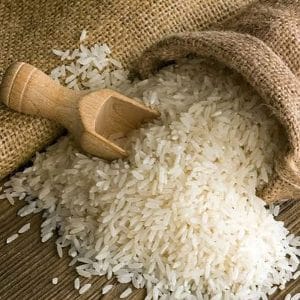
The Rice (1 Cup): Do not use long-grain basmati if you can help it. You want broken jasmine rice or short-grain rice (like arborio). If you only have long-grain basmati, wash it and crush it slightly in a food processor before soaking. The grains must break down completely.
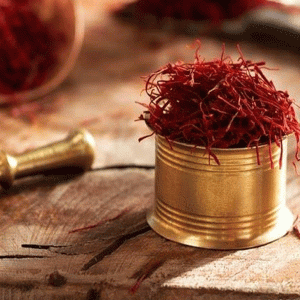
The Saffron (1/2 tsp ground): This is the star. Use high-quality Persian saffron. Grind the threads with a tiny pinch of sugar using a mortar and pestle, then brew it in 3 tablespoons of hot (not boiling) water. Let it bloom.
Sugar (2 Cups): Yes, it’s double the amount of rice. Shole Zard is meant to be rich and sweet.
Rosewater (1/4 Cup): Look for food-grade, high-quality rosewater.
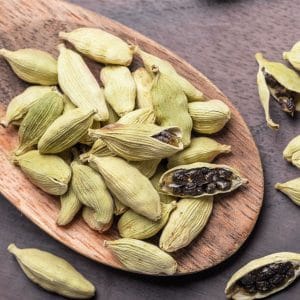
Cardamom (1/2 tsp ground): Freshly ground green cardamom works best.
Slivered Almonds (1/4 Cup): Soaked in a little rosewater beforehand for extra flavor.
Unsalted Butter or Oil (2 tbsp): Gives the pudding a glossy finish.
Water (6 to 8 Cups): For boiling the rice.
Step-by-Step Recipe: Making Shole Zard
Step 1: The Crucial Soak (Do Not Skip)
Wash the rice thoroughly until the water runs clear. Soak it in cold water for at least 2 to 3 hours. If you are using whole grains, overnight is even better. This ensures the rice breaks down quickly without turning into a sticky paste.
Step 2: Boiling the Rice into Oblivion
Drain the soaked rice and place it in a large, heavy-bottomed pot. Add 6 cups of water. Bring it to a boil over medium-high heat. Skim off any white foam that rises to the top. Once boiling, reduce the heat to a gentle simmer. Partially cover the pot.
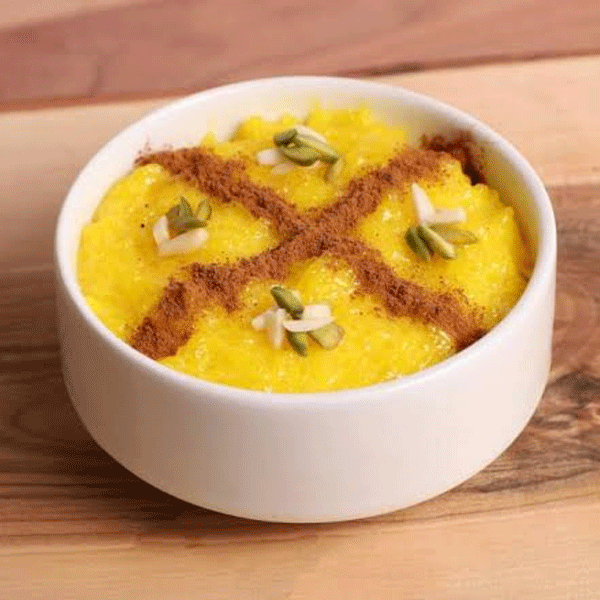
Shole Zard recipe
Pro Tip: DO NOT stir the rice too much at this stage, or it will stick to the bottom. Let it cook for about 45 minutes to an hour until the rice is completely soft and the water is mostly absorbed.
Step 3: The Golden Rule of Sugar
Here is the most critical decision-making step: Never add sugar until the rice is 100% fully cooked and broken down. Sugar hardens the exterior of the rice grain. If you add it too early, your rice will never soften, no matter how long you boil it.
Once the rice is mushy, stir in the sugar. You will notice the pudding suddenly becomes watery again—this is normal! Sugar releases moisture as it melts.
Step 4: Adding the Liquid Gold
Pour in your brewed saffron. Watch as the pot transforms into a vibrant, sunset yellow. Stir continuously now, as the sugar makes the mixture prone to burning.
Step 5: Flavor infusion and The “Dam” (Steaming) Method
Add the rosewater, ground cardamom, soaked slivered almonds, and butter. Stir well for about 5 minutes until the mixture thickens slightly.
Now, we use a classic Persian rice-cooking technique: wrap the pot’s lid in a clean kitchen towel, place it tightly on the pot, and turn the heat to the absolute lowest setting. Let it steam (Dam kardan) for 15-20 minutes. This draws out excess moisture and marries the flavors beautifully.
Step 6: Garnish and Chill
Pour the hot pudding into a large shallow serving dish or individual bowls. Do this quickly before it sets. Once it reaches room temperature, use ground cinnamon to create intricate geometric patterns or write words on top. Sprinkle with slivered pistachios and dried rose petals. Chill in the fridge for at least 2 hours before serving.
Records mentioned in this article
-
 🇮🇷 Iran
Verified
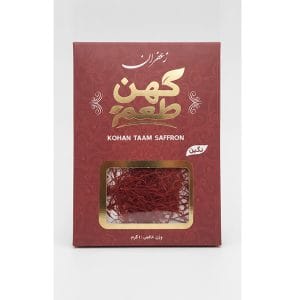
SaffronThe dried stigmas of a sterile autumn crocus, hand-picked at roughly 440,000 threads to the kilogram.
Open the record
-
 🇨🇳 China
RiceThe story behind every grain
Early Chinese farmers
Open the record
-
 🇱🇰 India
Verified
CardamomNative to one corner of southern India, priced every morning by public auction, and now grown mostly somewhere else.
Open the record
Frequently Asked Questions
Cause: Usually, this happens if you didn’t let the water evaporate enough before adding the sugar, or you didn’t steam it at the end.
Cause: You added the sugar too early, or you didn’t soak the rice long enough.
Yes! Shole Zard is naturally vegan if you omit the 2 tablespoons of butter at the end, or substitute it with a neutral vegetable oil or vegan butter. The butter is just for a glossy shine and isn’t strictly necessary for the structure.