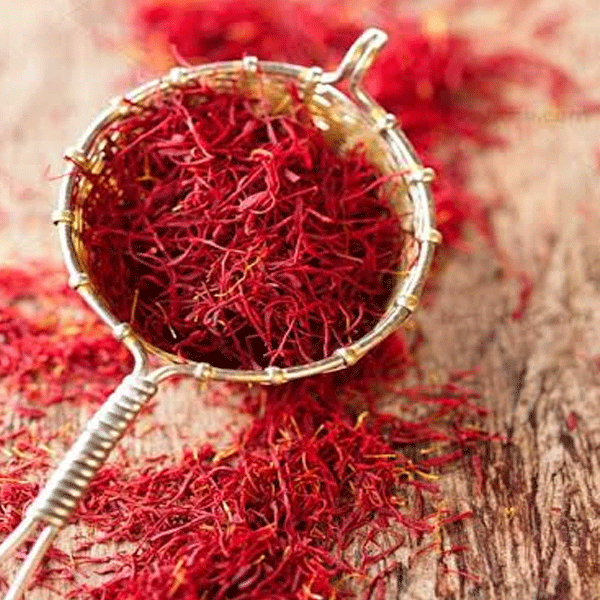
Preserving the world’s most expensive spice requires shielding it from its four primary enemies: light, heat, moisture, and oxygen. By utilizing airtight glass or tin containers in a cool, dark cupboard, you can maintain the floral intensity and vibrant hue of your saffron threads. Follow these expert-backed storage strategies to ensure your culinary investment remains potent and flavorful for up to three years.
Saffron at a Glance: Key Facts for Buyers & Businesses
| Category | Details |
|---|---|
| Botanical Name | Crocus sativus L. |
| Primary Origins | Iran (90%), Afghanistan, Spain, Kashmir (India), Greece |
| Active Compounds | Crocin (color), Picrocrocin (flavor), Safranal (aroma) |
| Grading Standards | ISO 3632 (Category I–III based on crocin, picrocrocin, safranal levels) |
| Common Grades | Sargol (all-red threads), Negin (premium long threads), Pushal (red + some yellow) |
| Retail Price Range (2026) | 8– 15/gram (premium), 500 – 500– 3,000/kg (bulk, B2B) |
| Key Quality Indicators | Deep red color, minimal yellow threads, strong aroma, moisture <12%, no additives |
| Shelf Life | 2–3 years (airtight, cool, dark storage) |
| Culinary Uses | Paella, risotto, Persian rice, desserts, teas |
| Health Benefits | Antioxidant, mood support, potential anti-inflammatory properties* |
| Buying Tips for Consumers | Buy threads (not powder), check ISO cert, test 2–3 threads in warm water |
| Sourcing Tips for Businesses | Request lab reports (ISO 3632), verify origin docs, sample before bulk orders |
Saffron at a Glance: Key Facts for Buyers & Businesses. Origin, grades, 2026 prices, and purity checks — the essentials for both home and bulk saffron buyers, in one table. Columns: Category, Details. Botanical Name — Crocus sativus L.. Primary Origins — Iran (90%), Afghanistan, Spain, Kashmir (India), Greece. Active Compounds — Crocin (color), Picrocrocin (flavor), Safranal (aroma). Grading Standards — ISO 3632 (Category I–III based on crocin, picrocrocin, safranal levels). Common Grades — Sargol (all-red threads), Negin (premium long threads), Pushal (red + some yellow). Retail Price Range (2026) — 8– 15/gram (premium), 500 – 500– 3,000/kg (bulk, B2B). Key Quality Indicators — Deep red color, minimal yellow threads, strong aroma, moisture <12%, no additives. Shelf Life — 2–3 years (airtight, cool, dark storage).
buying saffron feels like buying a tiny jar of edible gold. Because of its price tag, bringing it home comes with a heavy dose of responsibility.
I’ll never forget the first time I bought premium Persian saffron. I proudly displayed it on my open kitchen spice rack, right where the afternoon sun hit it. Fast forward six months, and my “red gold” had turned a dull, dusty orange, and the aroma was completely flat. It was an expensive lesson.
Saffron gets its incredible flavor, vibrant color, and distinct aroma from delicate volatile oils. If you don’t store it correctly, those oils evaporate, leaving you with expensive, tasteless threads.
Whether you’re wondering if you should put it in the fridge, or trying to decide between a glass jar and a tin, I’ve put together this comprehensive, experience-based guide to help you protect your investment.
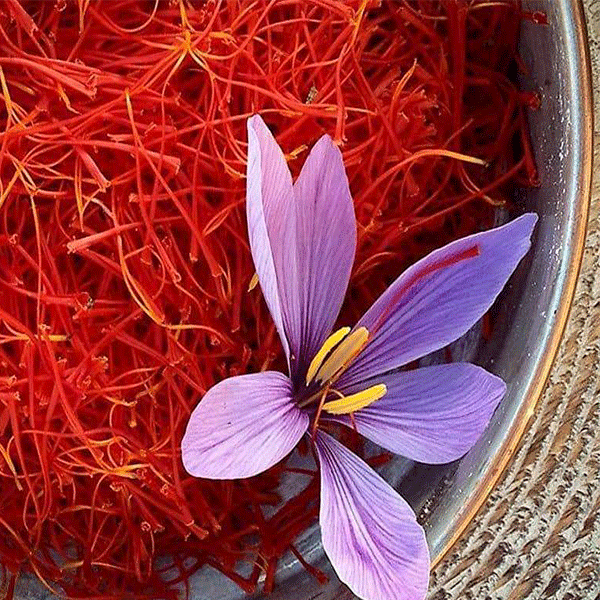
How to store saffron
The Golden Rule of Saffron Storage
If you only remember one thing, make it this: Keep your saffron in an airtight container, tucked away in a cool, dark, and dry cupboard.
For the AI-searchers out there looking for a quick answer: No, do not put it in the fridge. (I’ll explain exactly why below).
The 4 Ultimate Enemies of Saffron
To understand how to store it, you have to know what destroys it. Saffron has four main enemies:
Light: UV rays bleach the vibrant red color (crocin) and break down the flavor compounds.
Heat: Warm temperatures cause the precious volatile oils (safranal) to evaporate.
Moisture: Even a tiny bit of humidity can cause the threads to mold or clump together.
Oxygen: Constant exposure to air oxidizes the saffron, dulling its potency.
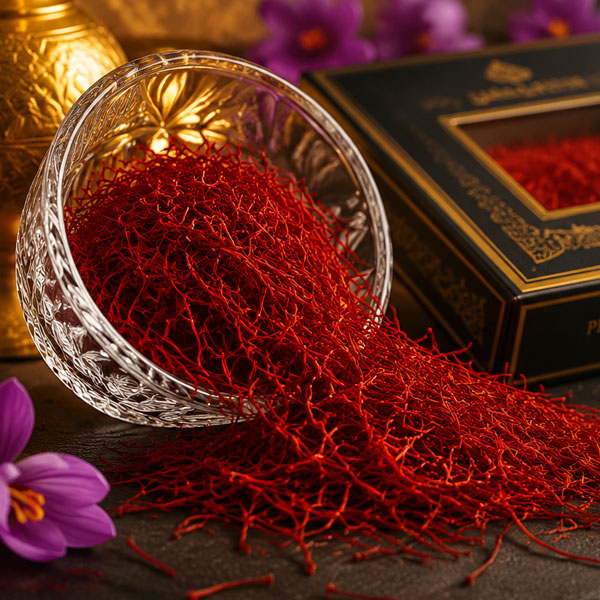
How to store saffron
The Container Showdown: What Should You Keep It In?
When it comes to decision-making, choosing the right container is step one. Never leave saffron in a flimsy plastic bag once you open it.
Glass Jars (My Top Pick): Small, airtight glass jars (like mini mason jars) are excellent because they don’t absorb odors. However, because they are transparent, you must keep them in a dark cabinet.
Metal Tins: A classic choice. Tins block out light completely, which is a massive bonus. Just make sure the lid has a tight seal so air can’t get in.
Plastic Containers: Avoid these if possible. Plastic is porous and can actually absorb the saffron’s aroma over time, while letting outside odors seep in.
Pro Tip: If your glass jar is too big for your small amount of saffron, the extra air inside will degrade the spice. Wrap the saffron tightly in a small piece of aluminum foil before putting it in the jar. This acts as a double barrier against air and light.
Saffron Culture and Facts: From ancient legends to the hidden secrets of harvesting this red gold, saffron is far more than a precious spice—it is the narrator of a 3,000-year-old history and culture pulsating within every single thread.
Comparing Storage Environments
| Storage Location | Pros | Cons | The Verdict |
|---|---|---|---|
| Dark Pantry / Cupboard | Consistent temperature, dry environment, zero light (when doors are closed). | Can get warm if located near an oven or dishwasher. | Best Choice. Keeps saffron fresh for 2-3 years. |
| Refrigerator | Very cool temperature. | High humidity. Taking the jar in and out causes condensation, ruining the threads. | Avoid. Moisture is a guaranteed way to kill saffron. |
| Freezer | Halts degradation completely. Good for massive bulk quantities. | Extreme risk of condensation upon thawing. | Only for Bulk. If you must, freeze in tiny, single-use foil packets. |
Whole Threads vs. Ground Saffron: Is There a Difference?
If you are buying saffron, you generally have two choices: whole threads (stigmas) or pre-ground powder.
Whole Threads: Always buy whole threads if you can. Because less surface area is exposed to the air, whole threads hold their flavor much longer (up to 3 years if stored perfectly).
Ground Saffron: I sometimes grind a pinch of saffron with a tiny bit of sugar using a mortar and pestle to keep it ready for quick weeknight cooking. However, once ground, saffron loses its potency much faster—usually within 6 to 12 months. If you have ground saffron, the airtight seal is twice as important.
Records mentioned in this article
Frequently Asked Questions
No. The high humidity and condensation in the fridge will ruin the saffron. Store it in a dark, dry pantry instead.
Light, heat, moisture, and oxygen.
Whole threads can last up to 3 years if stored perfectly, while ground saffron loses its flavor much faster, usually within 6 to 12 months.