If you have ever stared at a commercial invoice trying to work out which line a pallet of dried cloves belongs on, you are not alone. The clove hs code 0907 looks simple on paper, yet it is one of the codes importers get questioned about, because the word “clove” can describe a spice bud, a whole dried fruit, a stem, or even an oil. Before you pick a number, it helps to understand what sits behind it, and that starts with the paperwork. Many classification problems begin with how the goods are described, including the grade on the invoice, so it is worth reading that description with a customs officer’s eyes.
What HS Code 0907 Actually Is
HS code 0907 is the Harmonized System heading for cloves. The Harmonized System is the international naming framework used by customs authorities in more than 200 countries, and the first six digits of any code are the same almost everywhere. Heading 0907 sits in Chapter 9, the chapter for coffee, tea, maté and spices.
The heading is divided into two subheadings:
0907.10: cloves, neither crushed nor ground
0907.20: cloves, crushed or ground
Beyond six digits, each country adds its own digits for national tariff lines, statistics and duty rates. So the code your supplier quotes may match yours only up to that point. The rest you need to confirm in your destination country’s tariff schedule.
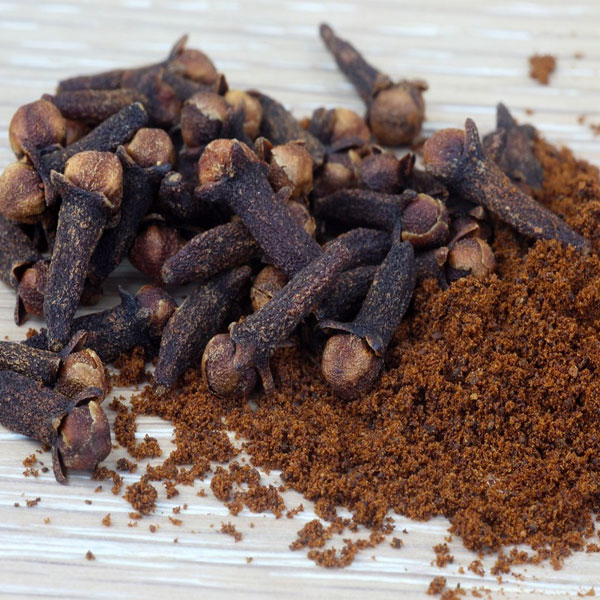
clove hs code 0907
What Is Inside Heading 0907
This is the part that surprises many first-time buyers. The heading does not describe only the familiar dried flower bud. It covers three forms of the clove tree’s harvest.
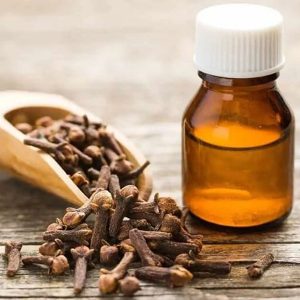
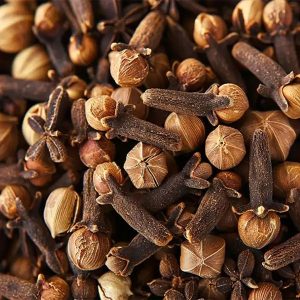
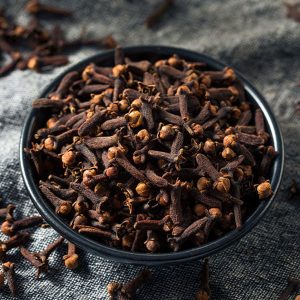
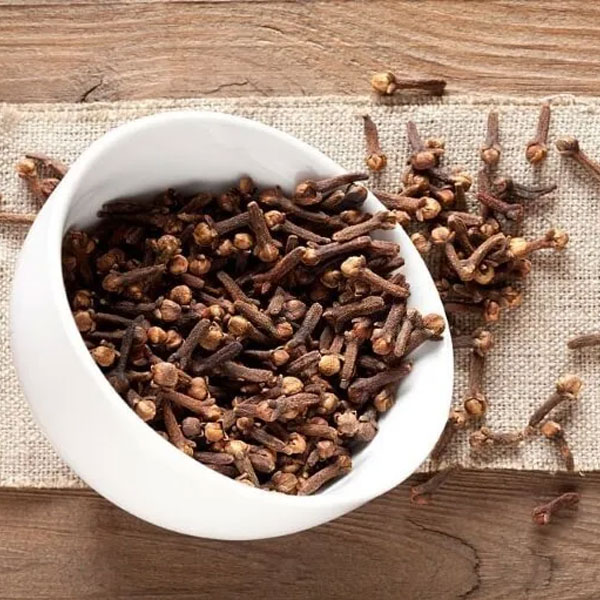
1. Cloves (the dried flower buds): This is the product most people picture: the small, nail-shaped, dark brown buds picked before they open and then sun-dried. It is the bulk of world trade in this heading.
2. Whole fruit (often called “mother of cloves”): When buds are left on the tree, they develop into a fruit. Trade classifies the fruit with the spice, and it is considered a different, usually lower-value product. The fact that it is listed under the same heading does not mean it has the same price or quality.
3. Clove stems: These are the small stalks that hold the buds. They are weaker in aroma, cheaper and often used for grinding or distillation, but customs still treats them as part of heading 0907.
The practical takeaway: all three can legally sit under the same six-digit heading, but they can be very different goods commercially. Your invoice should say which one you are actually buying, because a vague “cloves” line invites questions at inspection and leaves room for disputes about quality later.
Whole Versus Ground: Where the Subheading Changes
Whether the cloves are whole or processed decides the subheading. Whole buds, whole fruit and stems that have not been crushed or ground go under 0907.10. Once the product is crushed or milled to powder, it moves to 0907.20.
A few situations come up often:
Ground cloves sold in retail jars remain 0907.20. Packaging for retail sale does not change the heading.
Spice blends (such as a mix of cloves, cinnamon and nutmeg) usually leave 0907 altogether and go to the mixtures subheading in heading 0910, because no single spice defines the product. Check the chapter notes before assuming.
Cloves with added ingredients (sugar, salt, flavoring) can also fall outside the heading, since 0907 is meant for the plain spice.
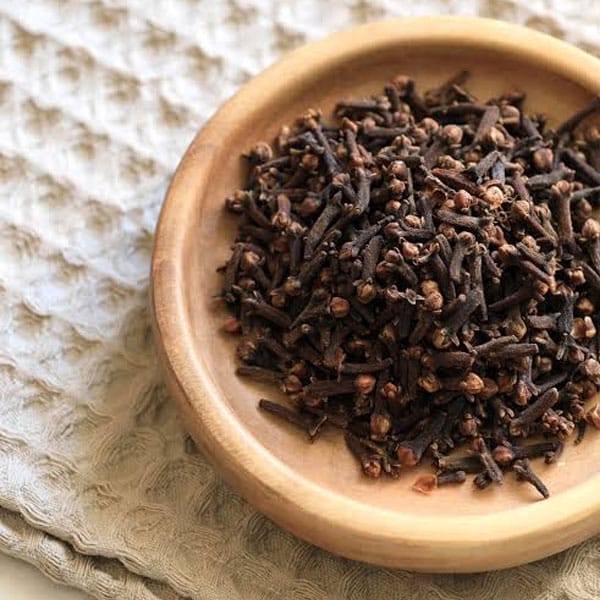
clove hs code 0907
What Is Not Covered
Equally important is what 0907 leaves out, because misclassification usually happens at this boundary.
Clove oil is not a spice, and customs does not treat it as one. Essential oils are classified in Chapter 33, so clove oil does not belong under 0907. If your shipment includes both spice and oil, you need separate lines with separate codes, and oil is a different code for good reason: it is a distilled product with its own tariff, its own handling rules and often different safety documentation. Isolated chemical components such as eugenol also fall under chemical chapters, not Chapter 9.
Clove-based finished products (dental preparations, cosmetics, flavored tobacco or cigarettes) are classified by what they are, not by the clove they contain.
Fresh clove plants or seedlings are live plants, covered by a different chapter.
Why the Right Code Matters for an Importer
Choosing a code is not a formality. It sets a chain of consequences.
Duty and taxes: The code determines the duty rate, and in many countries VAT or sales tax calculations follow it. Even a small difference in rate adds up on a container-sized shipment.
Preferential trade treatment: Free trade agreements and special schemes apply to specific codes. If your declared code does not match the one in the agreement, the preference may be refused, and you would pay the full rate.
Regulatory requirements: Spices usually trigger food-safety checks, plant-health documents and labeling rules. Customs uses the code to decide which agencies get involved. A wrong code may route your goods to the wrong inspection, or miss one that was required.
Clearance speed: A code that does not match the description, weight or declared value is a common reason for holds and requests for further documents. Delays on dried spices also affect shelf life and storage costs.
Penalties and audits: Repeated misclassification, even when accidental, can lead to back-duty claims and fines. Keeping a record of how you chose the code helps if you are ever asked to justify it.
A Practical Way to Classify Your Clove Shipment
When you are preparing documents, work through these steps:
Identify the product form: Write down whether you are importing buds, whole fruit, stems, or a mix, and confirm it with the supplier’s specification sheet.
Confirm the processing state: Whole and unground goes to 0907.10. Crushed or ground goes to 0907.20.
Check for additives or blending: Anything beyond plain cloves may take you out of the heading.
Match the full national code: Take the six-digit code, then find the extra digits in your country’s official tariff database.
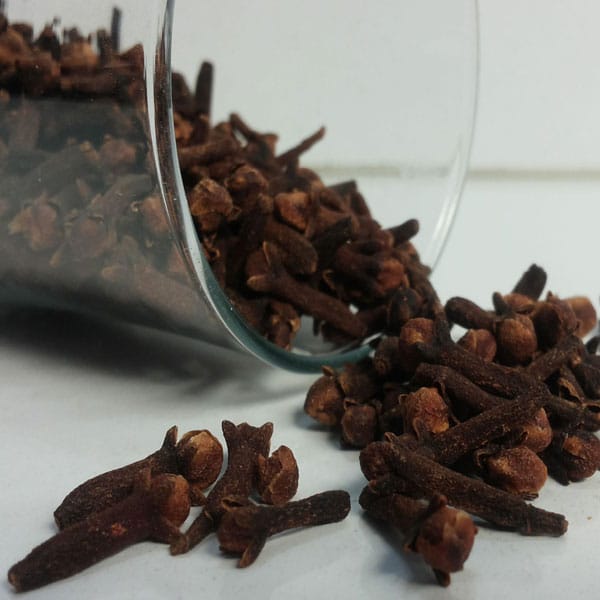
clove hs code 0907
Align every document: The invoice, packing list, certificate of origin and phytosanitary certificate should all describe the goods the same way.
Keep your reasoning: A short note on why you chose the code saves time later.
When you are ready to link a product to its origin, specification and code in one place, the clove record is where those details come together.
Common Mistakes to Avoid
Writing “cloves” without saying whether they are buds, fruit or stems
Declaring clove oil under the spice heading
Assuming a six-digit code from your supplier is the full code in your country
Classifying a spice blend as plain cloves
Using a code copied from an old shipment without checking whether the tariff has been updated
The clove hs code 0907 is short, but it carries a lot of weight. It includes buds, whole fruit and stems, separates whole from ground goods, and leaves out oil, blends and finished products. If you describe your goods precisely, match the full national code to your destination’s tariff and keep your documents consistent, you can avoid most of the delays and surprises that catch first-time importers. Treat the code as part of the product’s identity, not as a box to tick at the last minute.
Duty rates and national tariff lines change, so confirm the final code with your customs broker or the official tariff database of your destination country before shipping.
Records mentioned in this article

Frequently Asked Questions
Cloves are classified under heading 0907, with 0907.10 for whole and 0907.20 for crushed or ground.
Yes, at the heading level. Both are covered by 0907, although their quality and price differ.
No. Clove oil is an essential oil and is classified in Chapter 33.